You don't cut household bills by skipping coffees. The real money is in the big recurring costs you signed up to once and have quietly overpaid ever since — energy, broadband, mobile, insurance and a drawer full of subscriptions. Spend one focused afternoon on the list below and most households claw back hundreds of pounds a year, without changing how they live at all.

Start with the biggest bill: energy
Energy is usually the largest variable cost in the home, so it's the highest-value place to start.
- Check your tariff. If you've drifted onto a standard variable rate, compare against fixed deals on your real usage. Compare energy deals here.
- Pay by monthly Direct Debit — almost always cheaper than on-receipt billing.
- Submit regular meter readings (or use a smart meter) so you're billed on what you actually use, not estimates.
- Reduce waste: lowering the thermostat by one degree, using appliances efficiently and cutting standby power all chip away at the bill over a year.
Next: broadband and TV
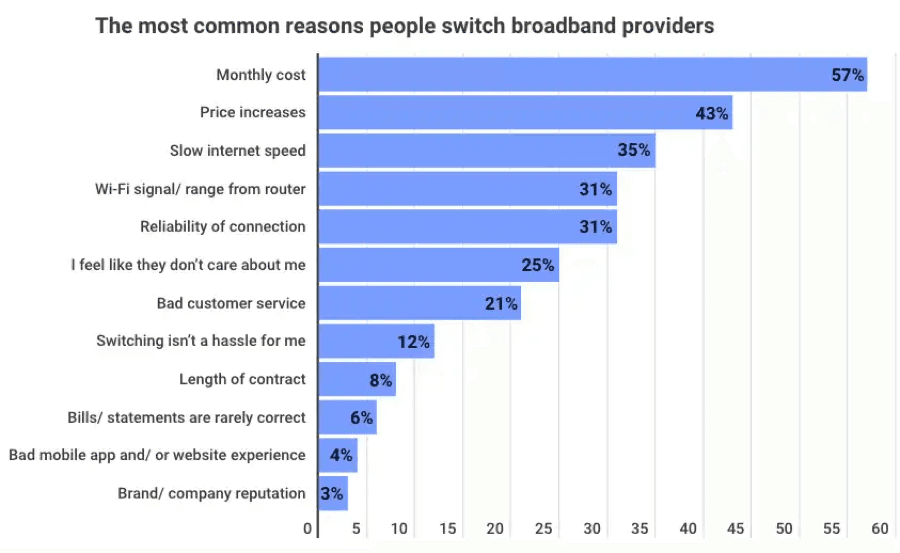
- Know your contract end date. Out-of-contract customers are routinely on the highest prices — the "loyalty penalty" is real.
- Don't pay for speed you don't use — but if full fibre has reached your street, it can be better and cheaper than an old package.
- Review TV add-ons: bundled sports and movie packs are a common source of forgotten spend.
- Compare broadband deals at your postcode when your contract is near its end.
Then: mobile
- Has your contract ended? If your handset is paid off but your bill hasn't dropped, you're paying for a phone you already own. Move to a SIM-only deal.
- Match data to reality. Most people on "unlimited" plans never need it — check your actual monthly usage and size down.
- Keep your number with a PAC code when you switch — it takes about a working day. Compare SIM-only deals here.
The silent subscriptions
Streaming, apps, cloud storage, gym memberships, box subscriptions — individually small, collectively a fortune. Once a year:
- Scan your bank and card statements for every recurring payment.
- Cancel anything you haven't used in the last month.
- Rotate streaming services instead of paying for all of them at once.
- Watch for free trials that quietly converted to paid.
Don't forget insurance
Car, home and other insurance often creep up at renewal because auto-renewal rewards inertia. Always check the renewal quote against the market rather than letting it roll over — and remember that loyalty rarely earns the best price.
The order that pays off fastest
- Energy — biggest variable bill, biggest potential saving.
- Broadband & mobile — quick switches, especially if you're out of contract.
- Insurance — check at every renewal.
- Subscriptions — a five-minute statement scan that keeps on giving.
The bottom line
Cutting bills isn't about going without — it's about not overpaying for things you've already got. Set a reminder for each contract's end date, compare before you renew, and switch when the numbers say so. Start comparing with Switch and turn one afternoon into year-round savings.