
Compare Green Energy Tariffs
Compare 100% renewable energy tariffs in 2026, same price as standard deals, switch free.
Compare 100% renewable energy tariffs in 2026, same price as standard deals, switch free.
Suppliers We Compare
As well as the big names you know, we help you discover new brands that can offer you more.

What Are Green Energy Tariffs UK Households Can Trust?
Main Renewable Energy Sources
The clean sources that power UK green energy tariffs.
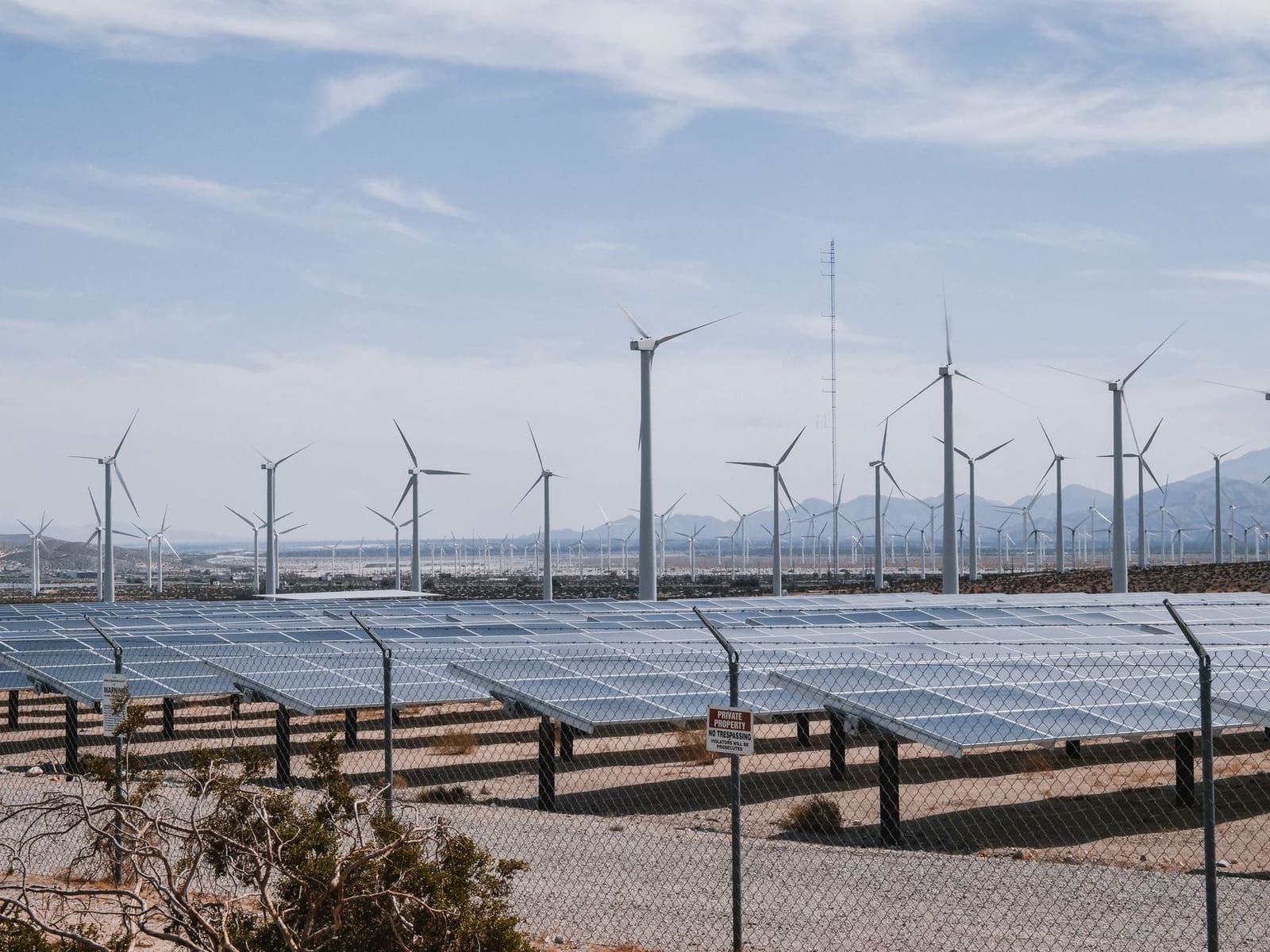
Wind Power
The UK's leading source. Onshore and offshore wind farms generate over a third of UK electricity on high-generation days.
Solar (Photovoltaic)
Panels on homes and large farms contribute significantly during daylight hours. Increasingly cost-competitive when paired with storage.
Hydroelectric
Consistent baseload renewable generation, particularly from Scottish Highland schemes.
Biomethane
Organic gas injected into the national grid, backed by Green Gas Certificates (GGCs) for certified green gas supply.
Types of Green Energy Tariffs in the UK
Four main types of green tariff, each with a different level of environmental commitment.
REGO-Backed 100% Renewable Electricity
The most common. Your supplier purchases REGO certificates equal to your consumption. Available from most major UK suppliers with little or no price premium.
Direct Generator Contracts
Supplier purchases power directly from named wind farms or solar parks. Stronger environmental claim than pure REGO-backed tariffs. Offered by Good Energy and Ecotricity.
Green Gas (Biomethane)
Backed by Green Gas Certificates from the Renewable Energy Assurance Limited scheme. Verified biomethane injected into the national gas grid and matched against your usage.
Time-of-Use & Smart Tariffs
Charge lower rates when the grid is predominantly renewable. Ideal for EV owners, home battery users, or households with flexible appliance schedules.
Green Energy Tariffs: Cost vs Standard Tariffs (Q2 2026)
In 2026, switching to green energy tariffs no longer means paying more. Based on Ofgem Q2 2026 unit rates.
← Swipe to see all columns →
How to Switch to a Green Energy Tariff: 5 Clear Steps
Switching to green energy tariffs UK-wide takes under 5 minutes. Your supply is never interrupted.
Gather 3 Details
Postcode, current supplier name, and annual usage in kWh. No bill? Switch estimates from your home size.
Compare Live Green Tariffs
Filter for green or renewable tariffs. Results rank by total annual cost with full unit rate and fuel mix shown.
Choose and Confirm
Select your deal and set up direct debit. You never need to contact your old supplier.
14-Day Cooling-Off
Cancel within 14 days at zero cost. Your old supplier continues supplying until the switch completes.
Switch in 5 Working Days
Under the Energy Switch Guarantee. If it takes longer, you receive £40 automatic compensation.
Is switching to renewable energy guaranteed to cost you more?
How to Spot a Genuine Green Energy Tariff
Not every tariff labelled green is equally green. Ask these five questions before you switch.
← Swipe to see all columns →
Who Benefits Most From Green Energy Tariffs?
Households on SVTs
If you haven't switched in 12+ months, you're paying the Ofgem maximum. A fixed green tariff can save £150 to £400/year while reducing your carbon footprint at no extra cost.
EV Owners
Charging overnight on a green time-of-use tariff can cost as little as 7 to 12p/kWh instead of the standard 24.67p/kWh.
Solar Panel Owners
Combining a green import tariff with a competitive Smart Export Guarantee rate maximises your return on solar investment.
Landlords and HMO Owners
Green energy credentials are increasingly valued by tenants. Switch lets you compare green tariffs across multiple properties and simplifies the switch for rented accommodation.
Environmentally Conscious Households
For households where reducing carbon footprint is the primary motivation, Gold-accredited tariffs backed by direct PPAs offer the most traceable and genuine renewable supply.
Small Businesses
Small businesses can also compare green commercial tariffs through Switch. A renewable energy supply supports net-zero commitments and is increasingly expected by corporate customers and procurement teams.
What to Look for When Choosing a Green Energy Tariff
Price is the main factor, but check these variables too. Switch displays all of them for every result.
Unit Rate (p/kWh)
Q2 2026 cap: 24.67p/kWh. A green fixed deal with a lower unit rate saves on every kilowatt-hour.
Standing Charge (p/day)
Cap is 57.21p/day electricity + 29.09p/day gas, £314/year. Some green tariffs offer lower standing charges.
Contract & Exit Fees
Most green fixes run 12 to 24 months. Ofgem waives exit fees in your final 49 days. Switch displays fees clearly.
Fuel Mix & Certifications
Check for 100% renewable REGOs and Green Gas Certificates. Look for independently verified claims.
Smart Meter Compatibility
SMETS2 meters retain full smart function after switching. SMETS1 may temporarily revert, confirm before switching.
Frequently Asked Questions: Green Energy Tariffs UK
Are green energy tariffs more expensive than standard tariffs?
No, not in 2026. Green energy tariffs are now priced at the same level as, or below, standard tariffs. Increased renewable generation capacity, stronger competition, and Ofgem oversight have eliminated the green premium.
What is a REGO certificate?
Does switching to a green tariff affect my electricity supply?
Can I get green gas as well as green electricity?
Is switching to a green energy tariff good for the environment?
What happens if my green energy supplier goes bust?
Can I switch to a green energy tariff as a tenant?
What is the difference between green electricity and green gas?
How do I know if my current tariff is already green?
How long does switching to a green energy tariff take?
Is my smart meter compatible with a green energy tariff?
Compare Green Energy Tariffs UK: Switch in Minutes
Latest from our experts

Letter of authority business energy: what UK SMEs must check before signing
Letter of Authority (LOA) for UK business energy brokers: what it is, risks, commission, how to revoke, 12-month refresh norms. Ofgem does not license TPIs.
Cheapest electricity only deals UK: Ofgem rates vs single-fuel quotes (Sep 2026)
Electricity only UK on 14 Sep 2026: dual-fuel cap £1,723 is not single-fuel. Computed typical ~£858.13 at 2,500 kWh from Ofgem 26.32p + 54.83p/day (Oct–Dec).

Plusnet broadband deals UK 2026: Full Fibre Year-1 cash from plus.net
Plusnet broadband deals UK on 14 Sep 2026: Full Fibre from £21.99×6 then £25.99 (£287.88 Y1). Openreach, Reward Cards to 8 Oct not netted, mid-contract rises printed.

No credit check SIM only UK: cheapest rolling deals ranked (September 2026)
No credit check SIM only UK on 14 Sep 2026: SMARTY & giffgaff from £6 (£72/yr); SMARTY 40GB £10; VOXI £10 promo 60GB to 30 Sep. Own-shop ranks only.

Deemed business electricity rates UK: leave the default, join contracted averages
Deemed business electricity rates UK explained: no domestic price cap, COT traps, WeSave Sep 2026 contracted averages as the escape benchmark. Switch via business-energy hub.

Octopus Agile tariff UK 2026: half-hourly power vs the £1,723 October cap
Octopus Agile tariff UK 2026 explained vs Ofgem Oct–Dec £1,723 dual-fuel cap. Half-hourly rates, 100p Price Cap Protect, who it suits — no invented Agile £/year.

Hyperoptic broadband deals UK: Year-1 cash from hyperoptic.com (September 2026)
Hyperoptic broadband deals UK on 13 Sep 2026: 500Mb from £17/mo (~£204 Y1), 150Mb from £19, 1Gb rolling £29. April £4 rises and up to £300 ETF credit explained.

200GB SIM only deals UK: ranked by 12-month cash (September 2026)
Cheapest labelled 200GB SIM-only deals UK on 13 Sep 2026: iD Mobile 12-month £147 cash leads; SMARTY Classic £17. Own-shop ranks only — Talkmobile 200GB not on shop.