Wearables
Smartwatch deals 2026
Compare Apple Watch, Galaxy Watch and Pixel Watch deals, with or without a cellular plan.
Wearables

Brands
24 watches found


Find the Best Smartwatch Deals in 2026
Why Compare Smartwatch Deals on Switch?
All Major UK Networks
Compare deals from all major UK networks in one place.
Flexible Filtering
Filter by monthly cost, upfront cost, or no upfront cost.
Cellular and Non-Cellular Options
Find cellular and non-cellular smartwatch options side by side.
Real-Time Pricing
See real-time pricing updated daily.
Clear, Honest Comparisons
Easy to read, no confusing small print.
Top Smartwatches to Compare in 2026
Here is a quick look at the most popular smartwatch models available right now. All of these are available with deals on Switch:
← Swipe to see all columns →
Apple Watch Deals 2026
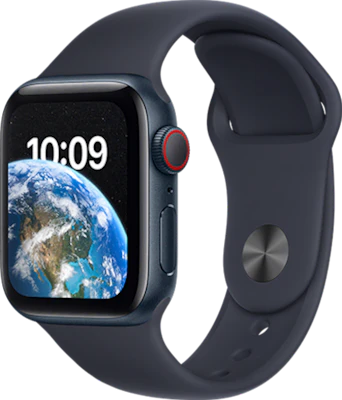
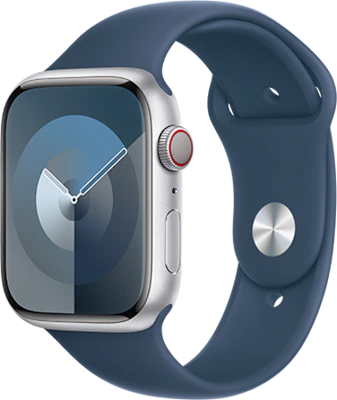
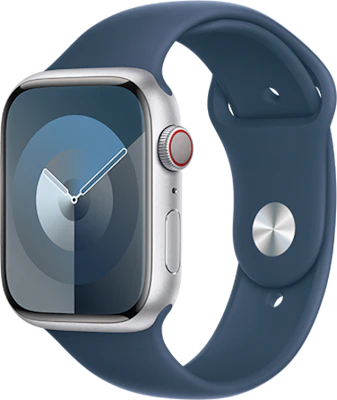
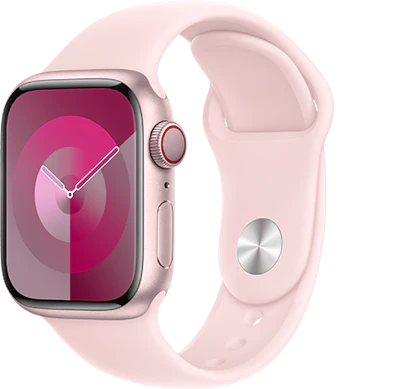
Apple Watch Series 11
Apple's flagship model in 2026. Health features include heart rate, ECG, blood oxygen, and hypertension alerts. Crash Detection and Emergency SOS built in. Available in GPS and cellular versions. Works only with iPhone.
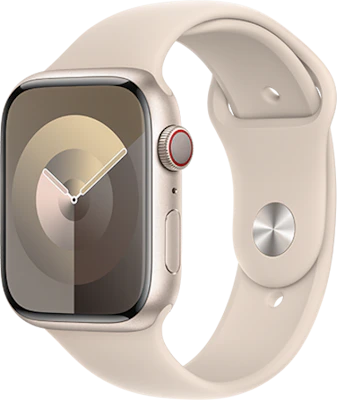
Apple Watch SE 3
Best budget Apple Watch in 2026. Lightweight aluminium case design with Crash Detection included. Great battery life for everyday use, perfect for students, teens, or anyone upgrading from an older Apple Watch.
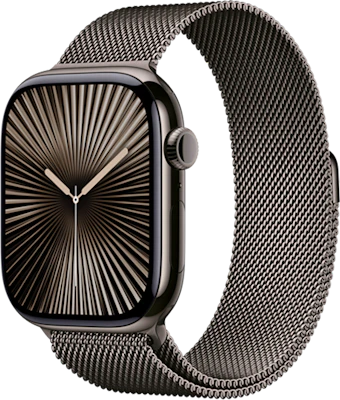
Apple Watch Ultra 3
Built for serious adventurers. Titanium case, up to 72 hours of battery life in low-power mode, and tough enough for extreme sports, diving, and hiking. One of the most premium wearable devices you can buy.
Samsung Galaxy Watch Deals 2026
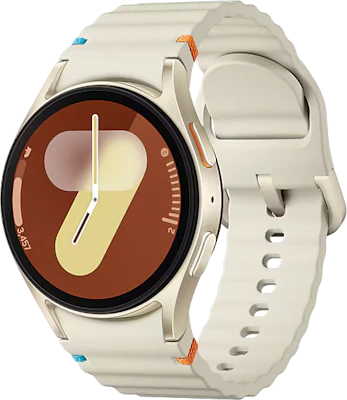
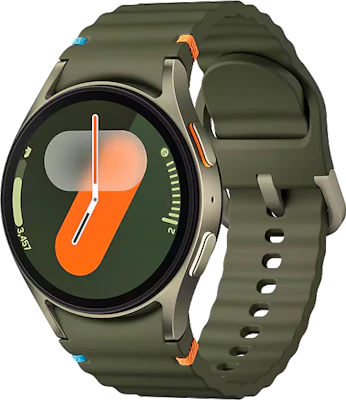
Galaxy Watch 8: Battery Life
Up to 40 hours of battery life, significantly longer than Apple Watch.
Galaxy Watch 8: Sleep Apnea Detection
FDA-cleared sleep apnea detection, a standout health feature in 2026.
Galaxy Watch 8: Full Health Tracking
Heart rate, SpO2, ECG, and blood pressure monitoring all included.
Galaxy Watch 8: Android Compatible
Works with Android phones, pairing best with Samsung Galaxy devices.
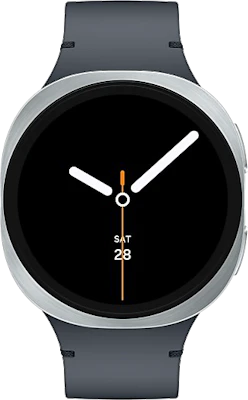
Galaxy Watch Ultra: Built for Sport
Dual-frequency GPS, 100m water resistance, and a huge battery. Built for people who push limits, perfect for outdoor and sport lovers.
Whether you want an Apple Watch, a Samsung Galaxy Watch, or a Google Pixel Watch, Switch makes it easy to compare the latest wearables smartwatch deals 2026 side by side. No jumping between websites. No guessing which deal is best. Just clear, honest comparisons from all the top UK networks.
Google Pixel Watch Deals 2026
More Wearable Device Brands on Switch
Cellular vs Non-Cellular Smartwatches
One of the biggest decisions when choosing a smartwatch is whether to go cellular or not. Here is a simple breakdown:
How to Choose the Right Smartwatch
Five questions that narrow down your options quickly
What Phone Do You Have?
Apple Watch only works with iPhone. Samsung Galaxy Watch and Google Pixel Watch work best with Android. If you have an iPhone, the choice is Apple Watch. If you are on Android, compare Samsung and Pixel side by side.
Do You Need Cellular?
Cellular lets you make calls and stream music without your phone. If you run, cycle, or train without your phone, it is worth it. If your phone is always nearby, a GPS-only model saves money and lasts longer between charges.
Set Your Budget
Smartwatch deals on Switch start from under £20 per month. No upfront cost options are available on most flagship models. Paying something upfront typically reduces your monthly cost, use the filters on Switch to find the split that suits you.
Pick the Health Features You Actually Use
Every top smartwatch tracks heart rate, sleep, and steps. If you specifically want ECG or blood pressure monitoring, check Apple Watch Series 11 or Samsung Galaxy Watch 8. Sleep apnea detection is available on Galaxy Watch 8, an FDA-cleared feature that stands out in 2026.
Consider Battery Life
Apple Watch lasts about 18 hours, you will charge it nightly. Samsung Galaxy Watch 8 gives up to 40 hours, Galaxy Watch Ultra up to 60 hours. If charging every day feels like a burden, Samsung or Garmin suits you better.
How to Get the Best Wearables Smartwatch Deals 2026 on Switch
Go to the Switch Smartwatches Page
Head straight to the comparison page to see all live deals in one place.
Choose Your Preferred Brand
Select Apple, Samsung, Google, Motorola, or Honor.
Filter by Monthly Budget or Upfront Cost
Set your price range to narrow down the best options for you.
Compare Deals Side by Side
See deals from all the top UK networks clearly laid out.
Pick Your Deal and Get Started
Click through to the network or retailer to complete your order.
Switch makes sure you are never paying more than you should. All deals on Switch are checked and updated regularly so the prices you see are always current.
Smartwatch Features Worth Paying For in 2026
Wearable technology has improved a lot. Here are the features that really matter when choosing a smartwatch in 2026:
Health and Fitness Tracking
All top smartwatches track heart rate, sleep quality, blood oxygen (SpO2), and calories. Premium models like Apple Watch Series 11 and Samsung Galaxy Watch 8 also offer ECG and blood pressure monitoring. If you are serious about your health, these features are worth the extra cost.
Built-in GPS
Standalone GPS means you can track your run, walk, or cycle without carrying your phone. Most flagship smartwatches in 2026 have this built in. For serious outdoor activities, look for dual-frequency GPS found in models like Samsung Galaxy Watch Ultra.
Wear OS and watchOS
watchOS is Apple's smartwatch operating system, running only on Apple Watch and connecting deeply with iPhone. Wear OS is Google's system, used by Samsung Galaxy Watch and Google Pixel Watch. Both support thousands of apps including Spotify, Strava, and Google Maps.
NFC Contactless Payments
Most smartwatches in 2026 support contactless payments via NFC. Apple Watch uses Apple Pay, Samsung Galaxy Watch uses Google Wallet. You can tap to pay at any contactless terminal even without your phone.
Notifications and Smart Replies
All smartwatches show notifications from your phone. Premium models let you reply to messages, take calls, or use voice assistants. Siri on Apple Watch, Google Assistant or Gemini on Wear OS devices.
Ready to Find Your Perfect Smartwatch Deal?
Smartwatch Deals: Common Questions
Which smartwatch has the best battery life?
Samsung Galaxy Watch Ultra leads with up to 60 hours. For everyday use, Samsung Galaxy Watch 8 gives you up to 40 hours, which is great for most people. Apple Watch Series 11 lasts around 18 hours, requiring nightly charging.