Apple Watch Series deals
Cellular vs Non-Cellular Smartwatches
One of the biggest decisions when choosing a smartwatch is whether to go cellular or not. Here is a simple breakdown:
How to Choose the Right Smartwatch
Five questions that narrow down your options quickly
What Phone Do You Have?
Apple Watch only works with iPhone. Samsung Galaxy Watch and Google Pixel Watch work best with Android. If you have an iPhone, the choice is Apple Watch. If you are on Android, compare Samsung and Pixel side by side.
Do You Need Cellular?
Cellular lets you make calls and stream music without your phone. If you run, cycle, or train without your phone, it is worth it. If your phone is always nearby, a GPS-only model saves money and lasts longer between charges.
Set Your Budget
Smartwatch deals on Switch start from under £20 per month. No upfront cost options are available on most flagship models. Paying something upfront typically reduces your monthly cost, use the filters on Switch to find the split that suits you.
Pick the Health Features You Actually Use
Every top smartwatch tracks heart rate, sleep, and steps. If you specifically want ECG or blood pressure monitoring, check Apple Watch Series 11 or Samsung Galaxy Watch 8. Sleep apnea detection is available on Galaxy Watch 8, an FDA-cleared feature that stands out in 2026.
Consider Battery Life
Apple Watch lasts about 18 hours, you will charge it nightly. Samsung Galaxy Watch 8 gives up to 40 hours, Galaxy Watch Ultra up to 60 hours. If charging every day feels like a burden, Samsung or Garmin suits you better.
FAQs
Which smartwatch has the best battery life?
Samsung Galaxy Watch Ultra leads with up to 60 hours. For everyday use, Samsung Galaxy Watch 8 gives you up to 40 hours, which is great for most people. Apple Watch Series 11 lasts around 18 hours, requiring nightly charging.
Can I use Apple Watch with an Android phone?
What is a cellular smartwatch?
Are smartwatch deals on contract worth it?
Which is better: Apple Watch or Samsung Galaxy Watch?
Latest from our experts
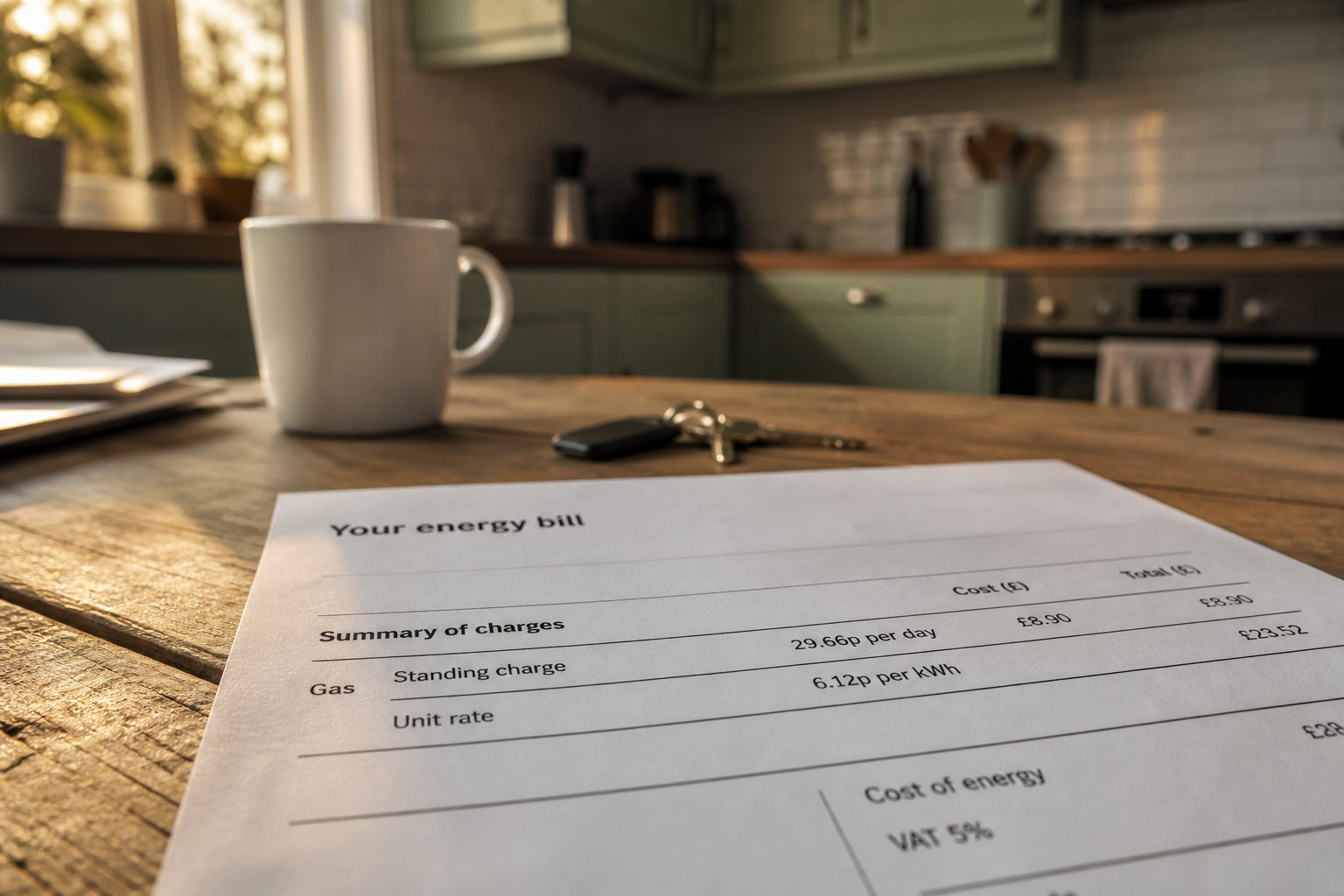
Standing charges vs unit rates 2026: which one actually cuts your bill
Standing charges vs unit rates 2026: Ofgem’s July pence, the £150 low-SC trial, and when a cheap kWh still costs more. Rank by annual cost.
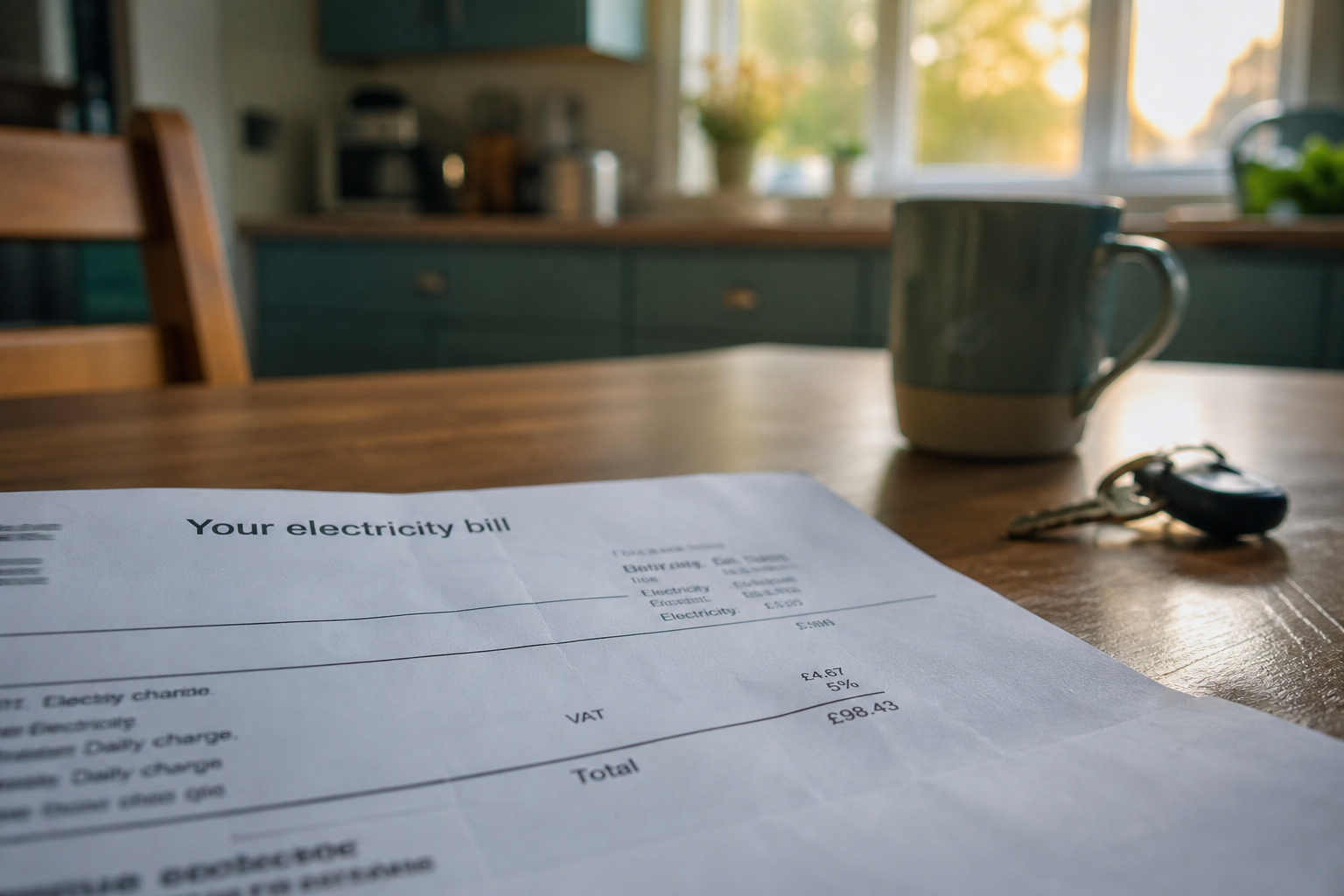
VAT on electricity UK: what 0% from 1 October 2026 actually does to your bill
VAT on electricity UK drops to 0% from 1 October 2026. Gas stays at 5%. See what it means for dual fuel, heat pumps, standing charges and your bill.
Fixed-price broadband UK: who still doesn't raise your bill after April 2026
Fixed-price broadband UK after April 2026’s £3–£4 hikes: which altnets still lock the bill, why a disclosed rise is not a fixed price, and how to compare.
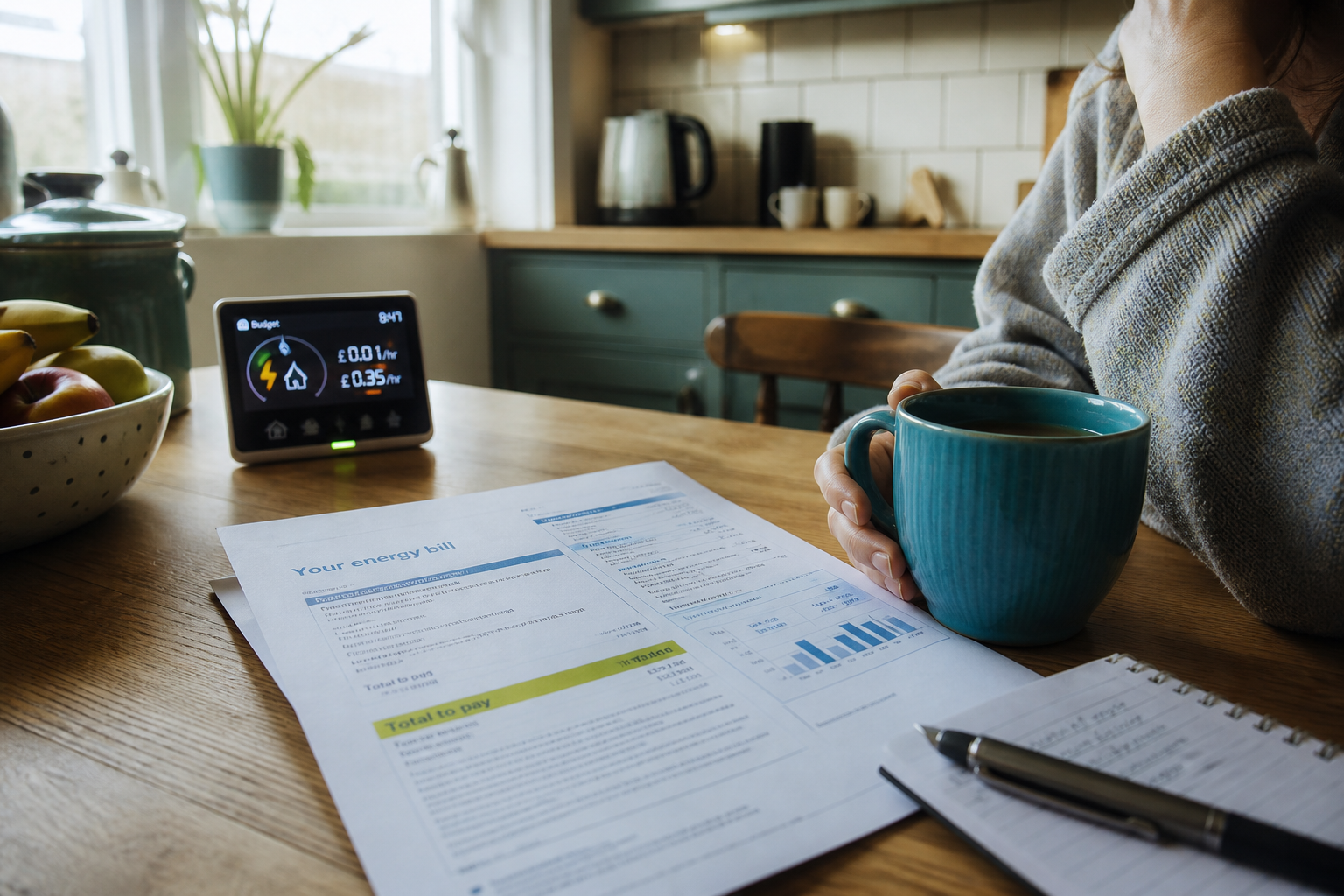
Energy price cap October 2026: forecasts and whether you should fix
Ofgem announces the energy price cap October 2026 by 26 August. Final forecasts, TDCV confusion, the VAT cut, and whether you should fix before winter.