

Compare EDF Energy tariffs: fixed deals, time-of-use plans, and EV tariffs, free.
EDF Energy Deals UK
Compare EDF Energy tariffs: fixed deals, time-of-use plans, and EV tariffs, free.
Suppliers We Compare
As well as the big names you know, we help you discover new brands that can offer you more.
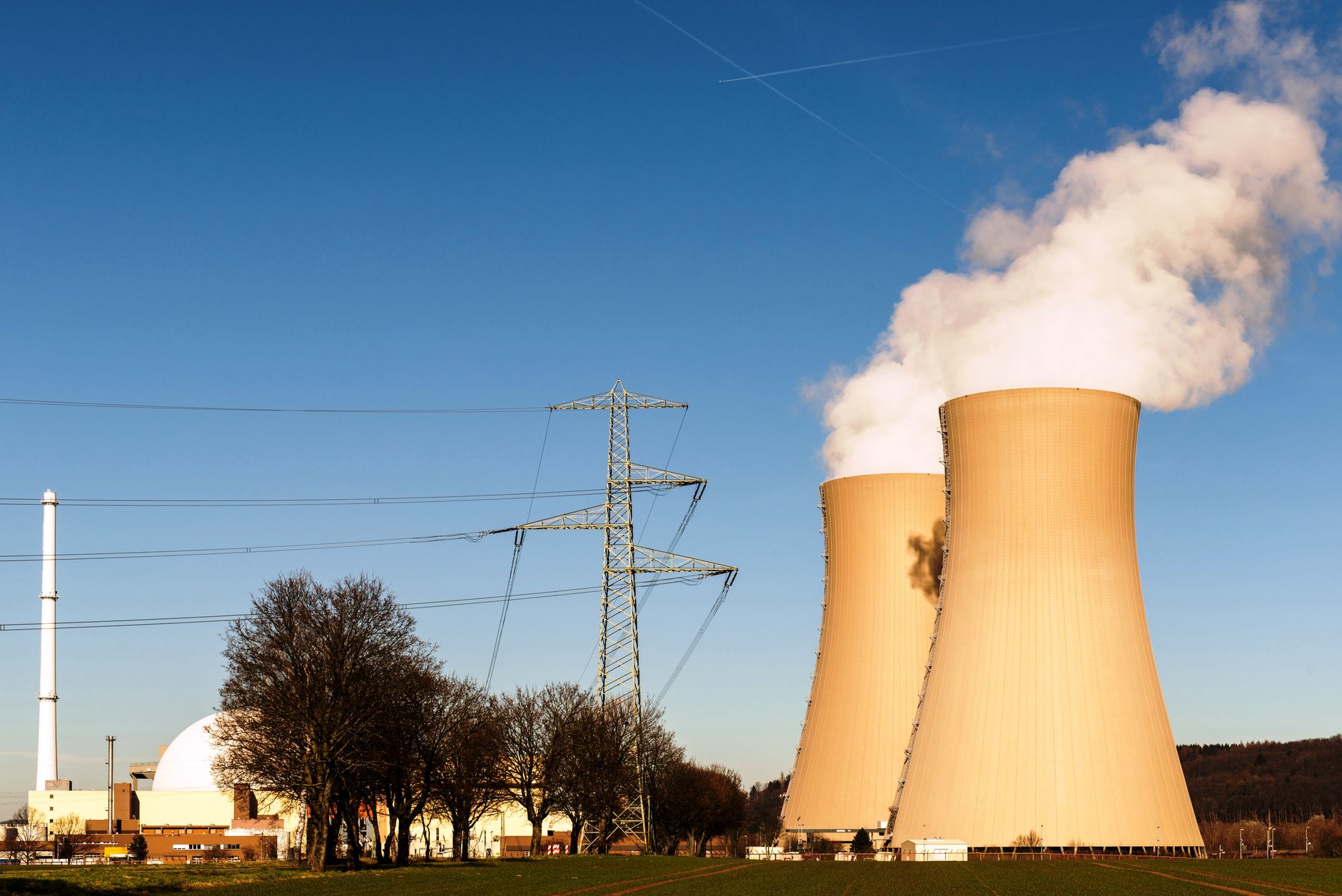
Who Is EDF Energy?
EDF Energy Tariffs UK: Full 2026 Breakdown
Five main tariff categories. One of the widest ranges among Big Six suppliers.
Simply Fixed (12/24 Month)
Rate locked for contract term. Simply Fixed 2Yr Mar28v3 launched at £1,641/year, cheapest major fix at launch. Exit fees apply.
Simply Tracker
Tracks Ofgem cap quarterly but discounts standing charges by £50/year. Best for flexibility without paying the full SVT rate.
Standard Variable (SVT)
Default tariff at the Ofgem cap, £1,641/year Q2 2026. No exit fees but no price protection. You land here when a fix ends.
FreePhase & Sunday Saver
Smart time-of-use tariffs for SMETS2 customers. Free electricity windows and up to 16 hours free on Sundays during challenge periods.
GoElectric & EVolve
EV tariffs with cheap off-peak 12am to 5am. EVolve caps bills at Ofgem level. Backed by zero-carbon generation. £75 exit fee.
Solar Export Tariffs
Four export tariffs available. Export Exclusive 12m V3 at 18p/kWh, one of the UK's highest fixed export rates. Conditions apply.
EDF Energy Prices: Q2 2026
EDF's SVT rates match the Ofgem cap. Fixed tariff rates vary by region, contract length, and meter type.
← Swipe to see all columns →
EDF Prices by Region: and What SVT Customers Should Know
EDF Price Changes: 2026 Timeline
EDF Price Cap Timeline
← Swipe to see all columns →
EDF Energy: Pros and Cons
What EDF does well, and where competitors have the edge.
Pros

High Trustpilot score, 4.8/5 from 212,000+ reviews
Widest tariff range in the Big Six (fixed, tracker, time-of-use, EV, export)
Strong low-carbon generation from nuclear and renewables
FreePhase and Sunday Saver smart tariffs for smart meter households
March 2026 fixed deal matched the cap, cheapest major-supplier fixed at launch
Free SMETS2 smart meter for all customers
App and My Account rated well for usage tracking
Financially backed by the French state, low insolvency risk
Cons
Exit fees on fixed tariffs of £50 to £250
Not consistently the cheapest, smaller suppliers often undercut
Customer service experience inconsistent at scale
Sunday Saver challenges do not run every month
Green credentials vary, some tariffs use REGOs only
100% renewable tariffs limited to large businesses
Complex tariff range, difficult to navigate without a comparison tool
EV tariff exit fee of £75 applies
Pros
Cons
High Trustpilot score, 4.8/5 from 212,000+ reviews
Exit fees on fixed tariffs of £50 to £250
Widest tariff range in the Big Six (fixed, tracker, time-of-use, EV, export)
Not consistently the cheapest, smaller suppliers often undercut
Strong low-carbon generation from nuclear and renewables
Customer service experience inconsistent at scale
FreePhase and Sunday Saver smart tariffs for smart meter households
Sunday Saver challenges do not run every month
March 2026 fixed deal matched the cap, cheapest major-supplier fixed at launch
Green credentials vary, some tariffs use REGOs only
Free SMETS2 smart meter for all customers
100% renewable tariffs limited to large businesses
App and My Account rated well for usage tracking
Complex tariff range, difficult to navigate without a comparison tool
Financially backed by the French state, low insolvency risk
EV tariff exit fee of £75 applies

Is EDF actually cheaper for existing customers than new ones?
EDF Energy Customer Reviews: 2026
4.8 / 5
Trustpilot
212,000+ reviews, above Big Six average
Top Half
Industry Customer Rating
Big Six comparison
4.6 / 5
Energy Helpline
14,000+ reviews, Excellent category
How to Switch Away from EDF Energy
Under 5 minutes. Supply never interrupted. No need to contact EDF directly.
Check Your Contract
Log into My Account or check your latest bill. In the last 49 days, exit fees are waived under Ofgem rules.
Calculate Exit Fee
EDF fixed tariff fees run £50 to £250. Check if the annual saving from a new tariff covers the exit fee in year one.
Compare Full Market
Enter your postcode, supplier, fuel type, and annual kWh. Results rank every tariff by total annual cost.
Choose & Confirm
Switch handles direct debit setup and transfer notification. Transfer within 5 working days under the Energy Switch Guarantee.
Take a Meter Reading
Submit to both EDF (final bill) and your new supplier (first bill) for accurate billing.
EDF Energy vs Competitors: 2026
← Swipe to see all columns →
Is EDF Energy Right for Your Household?
Seven common situations: and what Switch recommends for each.
On EDF SVT, want to save
Compare first. EDF fixed deals may help, but also check the full market. A competitor may beat EDF in your region.
EV owner with smart meter
GoElectric or EVolve are strong options. Compare against Octopus Go and E.ON Next Drive before deciding.
Solar panel owner
Export Exclusive 12m V3 at 18p/kWh is among the best available. Eligibility conditions apply, check before switching.
Smart meter + flexible usage
FreePhase and Sunday Saver suit households who can shift usage to free windows and off-peak periods.
Want cheapest flat-rate fixed
EDF matched the cap in March 2026, but this changes. Always compare the full market before fixing.
Mid-contract with exit fee
Exit fees £50 to £250. If the annual saving exceeds the fee in year one, switching still makes financial sense.
Prepayment meter customer
EDF offers prepayment tariffs but the range is narrower. Compare all suppliers on Switch for the best prepayment options.
Frequently Asked Questions: EDF Energy Tariffs UK
What are EDF Energy's tariffs for 2026?
EDF offers five main residential tariff categories: SVT at £1,641/year; Simply Fixed (12 and 24 months); Simply Tracker; time-of-use (FreePhase and Sunday Saver); and EV tariffs (GoElectric Overnight, EVolve). Four solar export tariffs also available.
What is EDF Energy's unit rate for electricity in Q2 2026?
Does EDF Energy charge exit fees?
Is EDF Energy a good supplier?
How do I switch away from EDF Energy?
What is EDF's Sunday Saver tariff?
Can I switch to EDF with a prepayment meter?
Is EDF Energy going bust?
Does EDF offer green energy tariffs?
What happens when my EDF fixed deal ends?
Compare EDF Energy Tariffs Now: Free, Under 5 Minutes
Latest from our experts

Letter of authority business energy: what UK SMEs must check before signing
Letter of Authority (LOA) for UK business energy brokers: what it is, risks, commission, how to revoke, 12-month refresh norms. Ofgem does not license TPIs.

Cheapest electricity only deals UK: Ofgem rates vs single-fuel quotes (Sep 2026)
Electricity only UK on 14 Sep 2026: dual-fuel cap £1,723 is not single-fuel. Computed typical ~£858.13 at 2,500 kWh from Ofgem 26.32p + 54.83p/day (Oct–Dec).

Plusnet broadband deals UK 2026: Full Fibre Year-1 cash from plus.net
Plusnet broadband deals UK on 14 Sep 2026: Full Fibre from £21.99×6 then £25.99 (£287.88 Y1). Openreach, Reward Cards to 8 Oct not netted, mid-contract rises printed.

No credit check SIM only UK: cheapest rolling deals ranked (September 2026)
No credit check SIM only UK on 14 Sep 2026: SMARTY & giffgaff from £6 (£72/yr); SMARTY 40GB £10; VOXI £10 promo 60GB to 30 Sep. Own-shop ranks only.

Deemed business electricity rates UK: leave the default, join contracted averages
Deemed business electricity rates UK explained: no domestic price cap, COT traps, WeSave Sep 2026 contracted averages as the escape benchmark. Switch via business-energy hub.

Octopus Agile tariff UK 2026: half-hourly power vs the £1,723 October cap
Octopus Agile tariff UK 2026 explained vs Ofgem Oct–Dec £1,723 dual-fuel cap. Half-hourly rates, 100p Price Cap Protect, who it suits — no invented Agile £/year.

Hyperoptic broadband deals UK: Year-1 cash from hyperoptic.com (September 2026)
Hyperoptic broadband deals UK on 13 Sep 2026: 500Mb from £17/mo (~£204 Y1), 150Mb from £19, 1Gb rolling £29. April £4 rises and up to £300 ETF credit explained.

200GB SIM only deals UK: ranked by 12-month cash (September 2026)
Cheapest labelled 200GB SIM-only deals UK on 13 Sep 2026: iD Mobile 12-month £147 cash leads; SMARTY Classic £17. Own-shop ranks only — Talkmobile 200GB not on shop.