Fixed, variable, dual fuel and green tariffs from every major UK supplier, ranked by annual cost, free and impartial.
Compare Energy DealsCompare Energy Deals & Save Up to £400/Year
Fixed, variable, dual fuel and green tariffs from every major UK supplier, ranked by annual cost, free and impartial.
Compare Energy DealsSuppliers We Compare
As well as the big names you know, we help you discover new brands that can offer you more.

Is Now the Right Time to Switch Your Energy Tariff?

How do I switch my gas supplier?
How to Find the Best Energy Tariff and Change Supplier Hassle-Free
Three steps to finding a cheaper energy deal and completing your switch.
Enter Your Postcode
Enter your postcode into our energy comparison tool to see every tariff available at your address. The results show unit rates, standing charges, and total annual cost, so you can make a fair like-for-like comparison across all suppliers.
Review the Results
Our comparison tool tells you which energy companies compare in your neighbourhood. For every listing you get a full breakdown of the deal: the tariff type (a fixed rate with unit rates locked for 12 to 24 months, or a variable rate that tracks the Ofgem price cap), the green credentials (what percentage of the tariff's electricity comes from renewable sources), and the total annual cost (projected full-year costs including unit rates and standing charges, not just the headline monthly figure).
Choose Your Best Deal
Once you have selected your new tariff, we handle the switch end-to-end. Your new supplier contacts your old one and manages the transfer on the agreed date. You stay online throughout, no engineer visit, no interruption, no paperwork.
How the Energy Switching Process Works
From comparison to live tariff, what happens at each stage.
Compare tariffs
Enter your details and see every available tariff ranked by total annual cost. Filter by tariff type, contract length, or supplier.
Select your deal
Choose the tariff that suits you. We show exit fees, unit rates, standing charges, and the Ofgem Green Homes certification where applicable.
We notify your supplier
Your new supplier sends an industry-standard switching request to your current provider. You do not need to contact anyone. Your old supplier has 5 working days to complete the transfer.
Your switch goes live
On the agreed transfer date, your new tariff activates. Your supply is never interrupted. Your new supplier will contact you to confirm the switch and provide your first bill date.

What is the Energy Price Cap?
How Much Could You Save?
£80 to £150
1 bed flat / single occupant
1,800 kWh elec + 7,500 kWh gas
£150 to £300
2 to 3 bed house / couple
2,500 kWh elec + 9,500 kWh gas (Ofgem TDCV)
£250 to £400
3 to 4 bed family home
4,100 kWh elec + 17,000 kWh gas
£60 to £130
Electricity-only (no gas)
3,100 kWh electricity

Will Energy Rates Come Down in 2026?
Not quite ready to switch? No worries, sign up for price alerts instead!
Our free price alert service monitors the market and notifies you the moment a cheaper deal becomes available for your postcode. No spam, no sales calls, just a single email when you could save money.
Start comparing and sign up
Is it true that low-cost energy means worse customer service?
What other energy tariffs can I compare?
Switch compares every tariff type available from Ofgem-licenced UK suppliers.
Fixed Rate Tariffs
Lock your unit rate for 12 or 24 months. Best if you want cost certainty and want to protect against price cap rises.
Variable Tariffs
Your rate moves with the Ofgem price cap. No exit fees, ideal if you want flexibility or are planning to move home.
Dual Fuel Deals
Gas and electricity from one supplier. Compare combined tariffs and see if bundling saves you money vs separate contracts.
Green Energy Tariffs
100% REGO-backed renewable electricity. Green tariffs are now competitively priced, often the same cost as standard deals.
Prepayment Meters
Pay-as-you-go energy for households on prepayment or smart prepay meters. Compare PAYG tariffs from all major suppliers.
Economy 7 Tariffs
Off-peak electricity at a cheaper rate for 7 hours overnight. Ideal for storage heaters, EV charging, and night-time appliances.

Effective Ways to Lower Your Energy Bills
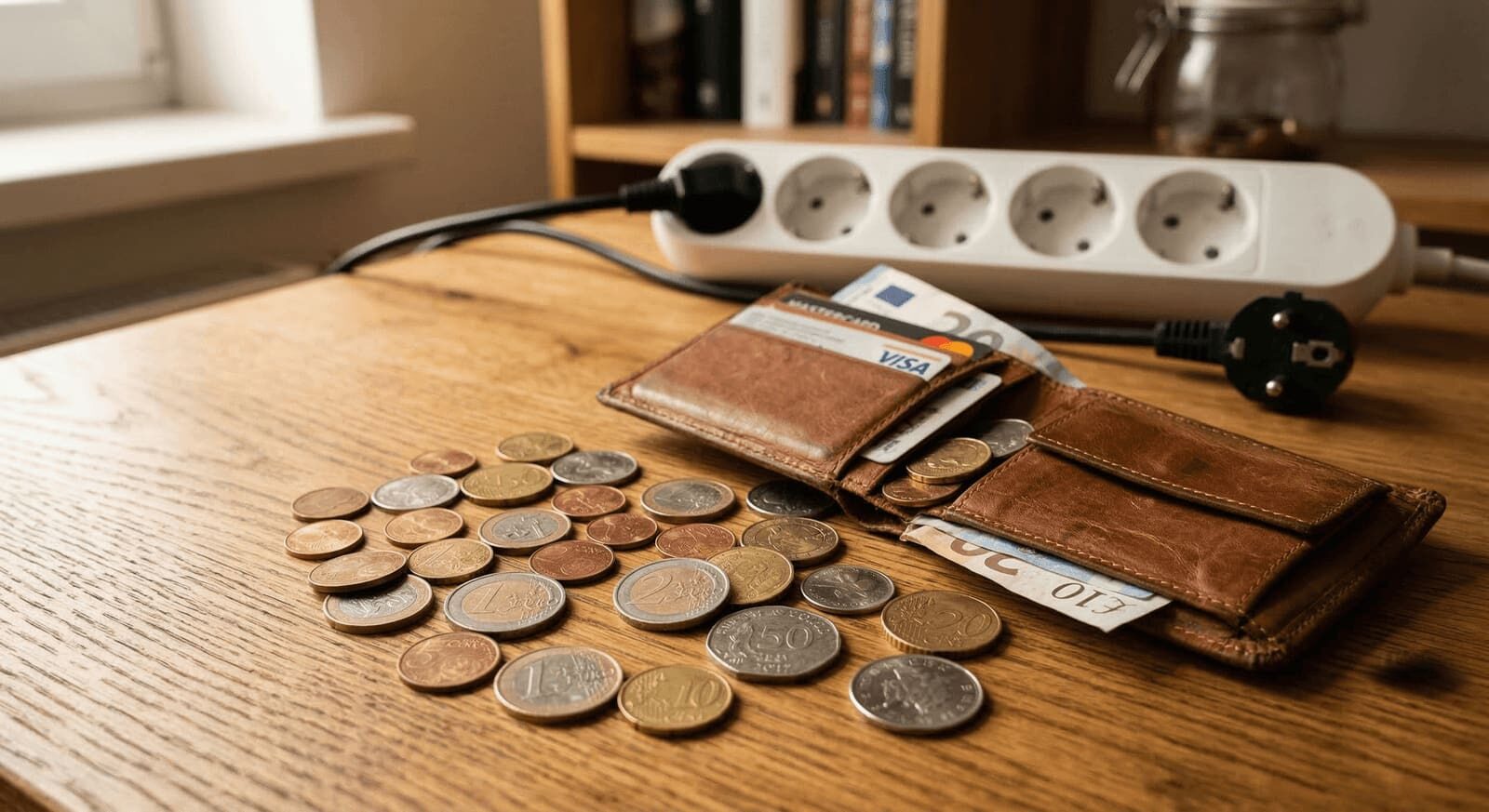
Need Help with Your Energy Bills? We've Got You Covered!
Typical Energy Consumption for a UK Household
Estimated annual cost using Oct–Dec 2026 Direct Debit national averages (26.32p/kWh elec, 54.83p/day; 7.97p/kWh gas, 29.68p/day). Mid-size row matches Ofgem's £1,723 TDCV (2,500 / 9,500).
← Swipe to see all columns →
Energy FAQs
Is now a good time to switch energy supplier?
Yes. The confirmed Ofgem price cap for October–December 2026 is £1,723/year for a typical dual-fuel Direct Debit household (+4% / +£60 vs £1,663 in July–September). Roughly 35% of households on fixed tariffs are unaffected. Fixing on a competitive 12-month deal can protect you from the next quarterly change (Ofgem announces January–March 2027 on 25 November 2026).
How much can I save by switching energy supplier?
Will switching energy supplier interrupt my supply?
What is the Ofgem energy price cap?
What is a fixed energy tariff?
Can I switch energy if I have a smart meter?
What is a dual fuel energy tariff?
Is it free to compare energy with Switch?
Start Comparing Cheap Energy Deals Now
Latest from our experts

Letter of authority business energy: what UK SMEs must check before signing
Letter of Authority (LOA) for UK business energy brokers: what it is, risks, commission, how to revoke, 12-month refresh norms. Ofgem does not license TPIs.

Cheapest electricity only deals UK: Ofgem rates vs single-fuel quotes (Sep 2026)
Electricity only UK on 14 Sep 2026: dual-fuel cap £1,723 is not single-fuel. Computed typical ~£858.13 at 2,500 kWh from Ofgem 26.32p + 54.83p/day (Oct–Dec).

Plusnet broadband deals UK 2026: Full Fibre Year-1 cash from plus.net
Plusnet broadband deals UK on 14 Sep 2026: Full Fibre from £21.99×6 then £25.99 (£287.88 Y1). Openreach, Reward Cards to 8 Oct not netted, mid-contract rises printed.

No credit check SIM only UK: cheapest rolling deals ranked (September 2026)
No credit check SIM only UK on 14 Sep 2026: SMARTY & giffgaff from £6 (£72/yr); SMARTY 40GB £10; VOXI £10 promo 60GB to 30 Sep. Own-shop ranks only.

Deemed business electricity rates UK: leave the default, join contracted averages
Deemed business electricity rates UK explained: no domestic price cap, COT traps, WeSave Sep 2026 contracted averages as the escape benchmark. Switch via business-energy hub.

Octopus Agile tariff UK 2026: half-hourly power vs the £1,723 October cap
Octopus Agile tariff UK 2026 explained vs Ofgem Oct–Dec £1,723 dual-fuel cap. Half-hourly rates, 100p Price Cap Protect, who it suits — no invented Agile £/year.

Hyperoptic broadband deals UK: Year-1 cash from hyperoptic.com (September 2026)
Hyperoptic broadband deals UK on 13 Sep 2026: 500Mb from £17/mo (~£204 Y1), 150Mb from £19, 1Gb rolling £29. April £4 rises and up to £300 ETF credit explained.

200GB SIM only deals UK: ranked by 12-month cash (September 2026)
Cheapest labelled 200GB SIM-only deals UK on 13 Sep 2026: iD Mobile 12-month £147 cash leads; SMARTY Classic £17. Own-shop ranks only — Talkmobile 200GB not on shop.