

Compare British Gas tariffs against all UK suppliers: being the biggest doesn't mean the cheapest.
British Gas Energy Deals UK
Compare British Gas tariffs against all UK suppliers: being the biggest doesn't mean the cheapest.
Suppliers We Compare
As well as the big names you know, we help you discover new brands that can offer you more.
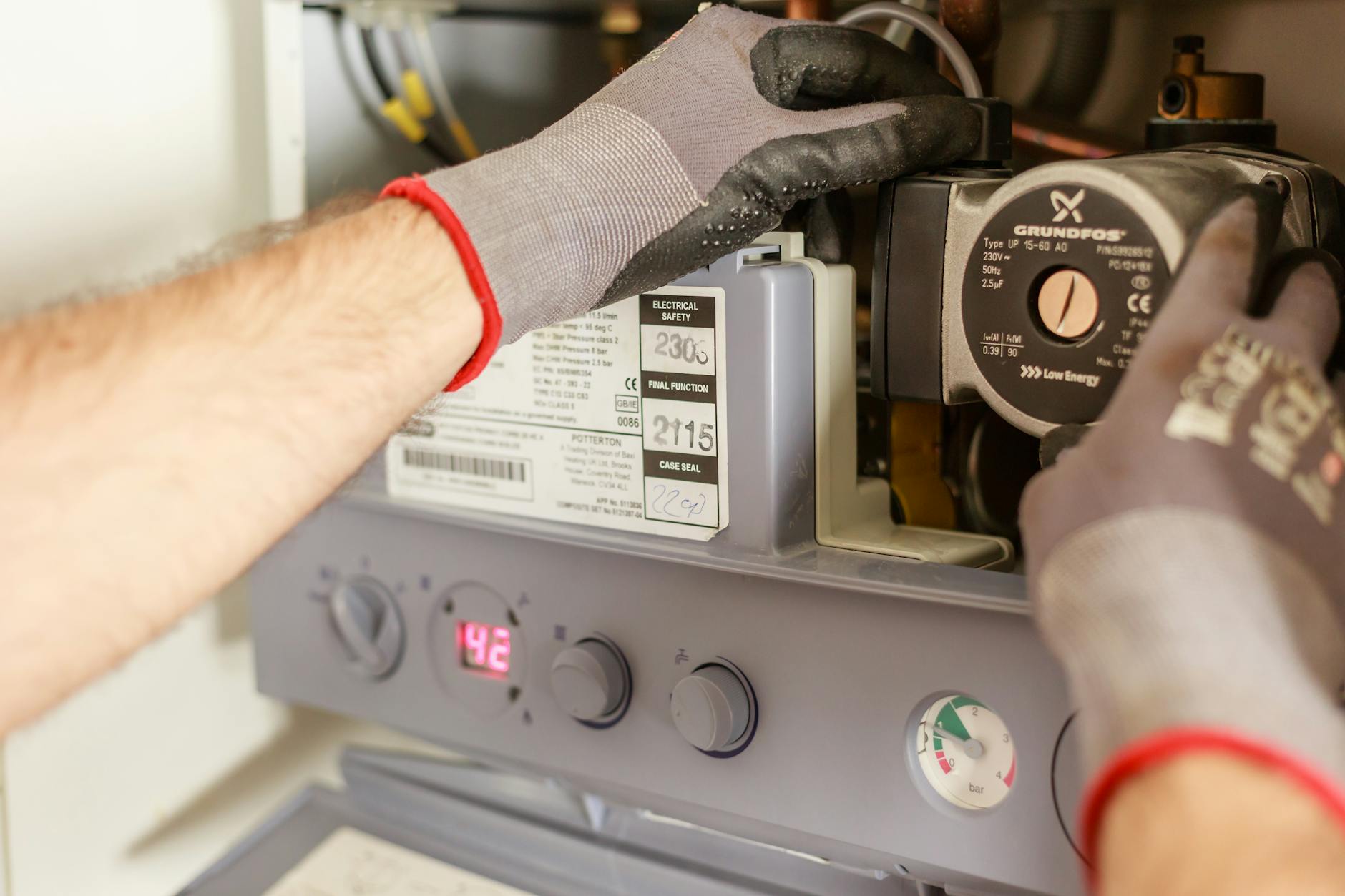
About British Gas
British Gas Tariff Types: What's Available in 2026
Six distinct tariff structures. The right option depends on your meter type, payment preference, and view on where energy prices are heading.
Fixed Rate Tariff
Unit rate and standing charge locked for 12 or 24 months. Exit fees: £50/fuel (12m) or £75/fuel (24m). Waived in final 49 days.
Tracker Tariff (Variable)
Follows Ofgem cap quarterly. Guaranteed discount on standing charges. No exit fees. Switch to any British Gas fixed deal anytime.
EV Power Tariff
Night rate: 7.9p/kWh (12am to 5am). Works with any EV and any charger. Pair with Hive Power+ for ~6.75p/kWh effective rate.
Economy 7 Tariff
Cheaper overnight rate for 7 hours. Dual meter readings required. Cost-effective only if usage can shift to off-peak windows.
Heat Power Tariff
For heat pumps and home battery storage. 10 hours off-peak daily including half-price electricity 12am to 5am, 35 hours cheaper per week.
Prepayment (PAYG) Tariff
Top up via British Gas app, online, PayPoint, or Post Office. Smart PAYG includes PeakSave access and real-time usage tracking.

PeakSave: British Gas's Demand Flexibility Scheme

British Gas Tariff Rates: April 2026 Reference
Current British Gas Tariff Rates
← Swipe to see all columns →
Is British Gas the Cheapest Energy Supplier in 2026?
Not for most households. But here is how much you could save by switching away from the BG SVT.
1-bed flat / single occupant (~£935/yr on SVT)
Potential saving: £80 to £150/year by switching to the best available fixed deal.
2 to 3 bed house / couple (~£1,641/yr on SVT)
Potential saving: £150 to £280/year. The most common household type, and the biggest saving opportunity.
3 to 4 bed family home (~£2,460/yr on SVT)
Potential saving: £250 to £400/year. Higher usage = higher absolute saving from switching.
Electricity-only / no gas (~£820/yr on SVT)
Potential saving: £60 to £130/year. Fewer suppliers compete but savings still available.

Is British Gas worth the premium over cheaper alternatives?
British Gas: Honest Pros and Cons
Pros

UK's largest gas supplier, established network and reliable supply
Diverse tariff range including EV Power, Heat Power, Economy 7, and prepayment, more options than most suppliers
6,000+ engineers, 24/7 emergency cover across the UK, unmatched by challenger suppliers
Strong boiler cover and HomeCare bundle, widely praised by homeowners with older boilers
PeakSave scheme adds real savings on top of any tariff, no extra cost to join
Hive smart home integration: smart thermostats, EV charging management, and energy monitoring
Most Improved Supplier 2024 and 2025, complaints fell 20%+ in 2025
British Gas Energy Trust provides grants to customers in debt, open to all, not just British Gas customers
EV Power tariff works with any EV model and charger, no specific smart charger required
Cons
Fixed tariffs rarely the cheapest vs smaller suppliers in a whole-of-market comparison
SVT customers pay Ofgem maximum, no automatic loyalty discount
Exit fees of £50 to £75 per fuel reduce switching flexibility mid-contract
Nearly 597,000 complaints recorded in 2025, high versus best-in-class suppliers
Billing errors have historically been the most common complaint driver, particularly for customers without smart meters
Pros
Cons
UK's largest gas supplier, established network and reliable supply
Fixed tariffs rarely the cheapest vs smaller suppliers in a whole-of-market comparison
Diverse tariff range including EV Power, Heat Power, Economy 7, and prepayment, more options than most suppliers
SVT customers pay Ofgem maximum, no automatic loyalty discount
6,000+ engineers, 24/7 emergency cover across the UK, unmatched by challenger suppliers
Exit fees of £50 to £75 per fuel reduce switching flexibility mid-contract
Strong boiler cover and HomeCare bundle, widely praised by homeowners with older boilers
Nearly 597,000 complaints recorded in 2025, high versus best-in-class suppliers
PeakSave scheme adds real savings on top of any tariff, no extra cost to join
Billing errors have historically been the most common complaint driver, particularly for customers without smart meters
Hive smart home integration: smart thermostats, EV charging management, and energy monitoring
Most Improved Supplier 2024 and 2025, complaints fell 20%+ in 2025
British Gas Energy Trust provides grants to customers in debt, open to all, not just British Gas customers
EV Power tariff works with any EV model and charger, no specific smart charger required

Who Should Choose a British Gas Tariff?
How to Compare British Gas Tariffs vs Rivals: 3 Steps
You do not need to contact your old supplier. Switch handles the entire process.
Compare
Enter your postcode and annual usage. Every British Gas tariff appears alongside rival deals, ranked by total annual cost.
Select & Confirm
Choose your tariff and set up direct debit. Switch handles notification to your old supplier. Under 2 minutes.
Switch Completes
Supply transfers within 5 working days under the Energy Switch Guarantee. No interruption. Take a meter reading on switchover day.
British Gas vs Rivals: Quick Comparison (April 2026)
← Swipe to see all columns →
Frequently Asked Questions: British Gas Tariffs
What are the current British Gas energy tariffs?
British Gas offers fixed-rate tariffs (12 or 24 months), a Tracker variable tariff, an EV Power tariff, Economy 7, Heat Power for heat pumps, and prepayment options. Tariff availability varies by postcode.
Are British Gas tariffs the cheapest in 2026?
What exit fees does British Gas charge?
Does British Gas have an EV tariff?
What is the British Gas Tracker tariff?
Is British Gas the same as Scottish Gas?
What is PeakSave?
How do I switch away from British Gas?
Compare British Gas Against Every UK Supplier: Free, in 2 Minutes
Latest from our experts

Letter of authority business energy: what UK SMEs must check before signing
Letter of Authority (LOA) for UK business energy brokers: what it is, risks, commission, how to revoke, 12-month refresh norms. Ofgem does not license TPIs.

Cheapest electricity only deals UK: Ofgem rates vs single-fuel quotes (Sep 2026)
Electricity only UK on 14 Sep 2026: dual-fuel cap £1,723 is not single-fuel. Computed typical ~£858.13 at 2,500 kWh from Ofgem 26.32p + 54.83p/day (Oct–Dec).

Plusnet broadband deals UK 2026: Full Fibre Year-1 cash from plus.net
Plusnet broadband deals UK on 14 Sep 2026: Full Fibre from £21.99×6 then £25.99 (£287.88 Y1). Openreach, Reward Cards to 8 Oct not netted, mid-contract rises printed.

No credit check SIM only UK: cheapest rolling deals ranked (September 2026)
No credit check SIM only UK on 14 Sep 2026: SMARTY & giffgaff from £6 (£72/yr); SMARTY 40GB £10; VOXI £10 promo 60GB to 30 Sep. Own-shop ranks only.

Deemed business electricity rates UK: leave the default, join contracted averages
Deemed business electricity rates UK explained: no domestic price cap, COT traps, WeSave Sep 2026 contracted averages as the escape benchmark. Switch via business-energy hub.

Octopus Agile tariff UK 2026: half-hourly power vs the £1,723 October cap
Octopus Agile tariff UK 2026 explained vs Ofgem Oct–Dec £1,723 dual-fuel cap. Half-hourly rates, 100p Price Cap Protect, who it suits — no invented Agile £/year.

Hyperoptic broadband deals UK: Year-1 cash from hyperoptic.com (September 2026)
Hyperoptic broadband deals UK on 13 Sep 2026: 500Mb from £17/mo (~£204 Y1), 150Mb from £19, 1Gb rolling £29. April £4 rises and up to £300 ETF credit explained.

200GB SIM only deals UK: ranked by 12-month cash (September 2026)
Cheapest labelled 200GB SIM-only deals UK on 13 Sep 2026: iD Mobile 12-month £147 cash leads; SMARTY Classic £17. Own-shop ranks only — Talkmobile 200GB not on shop.