
Last updated: Sunday 13 September 2026 (Europe/London).
Answer first (13 Sep 2026): A smart meter sends gas and electricity reads to your supplier automatically and can unlock half-hourly tariffs — it does not automatically cut your bill. Use it to check usage against the October cap maths (£1,723 typical dual-fuel DD) on the energy hub.
Compare home energy deals
- MoneySuperMarket residential gas & electricity journey
- Enter your postcode and usage for live quotes
- Household switch path only — not business energy
A smart meter is a digital gas and electricity meter that records your energy use and sends automatic readings to your supplier over a secure network. It replaces manual meter readings and estimated bills with real-time data you can check on a small in-home screen. Britain has installed more than 40 million smart meters in homes and small businesses, and new Ofgem rules from February 2026 force suppliers to fix faulty units within days, not months. This guide covers how a smart meter works, whether it's compulsory in 2026, what it costs, and the real advantages and disadvantages before you book an installation.
What Is a Smart Meter?
A smart meter is a digital meter that measures gas and electricity use and transmits readings to your supplier automatically through a secure wireless connection called the Home Area Network (HAN). It removes manual meter readings, meter reader visits, and estimated bills. Every installation includes an In-Home Display (IHD), a small screen that shows spend in pounds and energy use in kilowatt hours (kWh) as it happens.
How Does a Smart Meter Work?
A smart meter records consumption at set intervals, typically every 30 minutes, then sends that data to the Data Communications Company (DCC), the national network linking meters to suppliers. The DCC forwards readings to your supplier automatically, so bills reflect actual use instead of estimates. Two generations exist: Smart Metering Equipment Technical Specifications 1 (SMETS1), and Smart Metering Equipment Technical Specifications 2 (SMETS2).
SMETS1 vs SMETS2: What's the Difference?
SMETS1 meters, fitted between 2012 and 2018, sometimes lose smart function after a supplier switch.
SMETS2 meters, fitted since late 2018, keep full smart function with any supplier because they connect directly to the DCC.
Suppliers must upgrade a faulty SMETS1 meter free of charge under Ofgem's 2026 rules.
Around 4 million SMETS1 meters still run in dumb mode in 2026, sending estimated readings instead of automatic ones.
Smart Meter Advantages
A smart meter offers 5 main benefits over a traditional meter.
Accurate bills. Automatic readings replace estimated charges based on guesswork.
Real-time cost tracking. The in-home display shows spend in pounds as you use energy.
No meter reader visits. Readings transmit automatically through the DCC network.
Access to time-of-use tariffs. Rates for electric vehicle (EV) charging and off-peak heating need a working SMETS2 meter.
Faster fault repairs. Ofgem's February 2026 Guaranteed Standards of Performance (GSOP) require suppliers to fix installation faults within 5 working days and replacement faults within 10 working days, or pay compensation.
Smart Meter Disadvantages
A smart meter carries 5 common drawbacks worth weighing before installation.
Weak signal in some areas. Rural homes and thick-walled buildings sometimes get poor DCC connection.
Data privacy concerns. Detailed energy data goes to your supplier, though third parties can't access it without consent.
Switching issues with SMETS1. An unenrolled SMETS1 meter can revert to dumb mode after a supplier switch.
Installation disruption. Fitting takes 1 to 2 hours and needs a short power cut.
No cut to unit rates. A smart meter measures use; it doesn't lower your standing charge or price per kWh.
Is a Smart Meter Compulsory in the UK?
No, a smart meter isn't compulsory. Suppliers must offer one and take reasonable steps toward installation, but you can decline. Engineers fit a smart meter automatically during any meter replacement or new connection, unless a genuine technical fault rules it out. Declining one blocks access to smart tariffs such as EV charging rates and solar export payments, which both require a working SMETS2 meter.
How to Get a Smart Meter Installed
To get a smart meter installed, contact your current supplier and book an appointment; installation is free and takes 1 to 2 hours. Bring your Meter Point Administration Number (MPAN) for electricity and Meter Point Reference Number (MPRN) for gas in case the engineer asks for them. Compare energy suppliers through Switch first to find one with faster installation slots and lower standing charges before you book.
Smart Meter Installation: What to Expect
A smart meter installation follows 5 steps from booking to first reading.
Book the appointment. Call or use your supplier's app to pick a 2 to 4 hour arrival window, usually within a few weeks.
Engineer safety checks. The engineer inspects your existing meter, fuse box, and gas connection before starting work.
Meter swap. The old meter comes out and the new smart meter goes in, with a power cut of a few minutes during the switch.
IHD setup. The engineer pairs the in-home display and demonstrates how to read pounds, kWh, and historical use.
First automatic reading. Your smart meter sends its first reading to the supplier within 24 hours, replacing manual submissions from that point on.
Smart Meter Statistics in the UK (2026)
Over 40 million smart meters are installed in British homes and small businesses.
Smart and advanced meters make up more than 70% of all UK meters.
Around 4 million SMETS1 meters still send estimated readings in dumb mode.
Suppliers must repair an installation fault within 5 working days and a replacement fault within 10, under the February 2026 GSOP rules.
Customers get an automatic £40 payment when a supplier misses a smart meter appointment or repair deadline.
Do Smart Meters Save Money?
No, a smart meter doesn't lower your unit rate directly, but it helps cut consumption. Real-time cost data in pounds encourages households to shift use away from peak hours, and pairing a SMETS2 meter with a time-of-use tariff can reduce bills by moving laundry, charging, and heating to cheaper periods. The saving comes from behaviour change, not from the device itself.
Which Energy Tariff Works Best With a Smart Meter?
A time-of-use tariff extracts the most value from a smart meter, because rates change by the half hour instead of staying flat all day. Three tariff types suit a working SMETS2 meter best: an EV tariff with a cheap overnight rate for charging, a heat pump tariff with lower daytime rates for running a heat pump, and an export tariff that pays for solar power sent back to the grid. A flat-rate tariff still works with a smart meter, but it wastes the half-hourly data the meter collects, since price stays the same whatever time you use energy.
Compare home energy deals
- MoneySuperMarket residential gas & electricity journey
- Enter your postcode and usage for live quotes
- Household switch path only — not business energy
Smart Meters, Solar Panels, and the Smart Export Guarantee
Yes, a smart meter can measure and pay for solar export. A property with solar panels or battery storage needs an export-capable smart meter to join the Smart Export Guarantee (SEG), the scheme that pays households for electricity sent back to the grid. The meter records import and export separately, every 30 minutes, so payments match actual generation rather than an estimate. Some add-on devices, such as a Geo smart meter display, plug into an existing SMETS2 meter to show solar generation and export alongside standard use.
Smart Meters and Switching Energy Supplier
A SMETS2 meter keeps full smart function after a supplier switch, so readings stay automatic and the in-home display keeps working. An enrolled SMETS1 meter behaves the same way, but an unenrolled one can revert to estimated readings until the new supplier reconnects it. Check enrolment status before switching, then compare gas and electricity deals through Switch to keep smart function intact. You'll find your MPAN and MPRN printed on a recent bill if your new supplier asks for them.
What Does a Smart Meter Cost?
A smart meter costs nothing upfront. Suppliers fund installation through your existing energy bill as part of the national rollout, so there's no separate invoice, deposit, or purchase price. You can't buy a smart meter outright from a shop or online retailer; only a licensed energy supplier can fit one and register it on the DCC network. The only cost most households notice is indirect: a small share of every supplier's operating costs, including smart metering, sits inside standing charges across the market, in the same way older meter reading costs did.
Smart Meter Signal Problems and How to Fix Them
A weak signal is the most common smart meter complaint, and it usually comes from 3 sources: thick stone or metal-clad walls, a basement or semi-underground meter cupboard, and distance from the nearest DCC communication hub.
Ask for a signal check. Your supplier can run a remote smart meter signal checker before booking an engineer, which flags low-coverage postcodes in advance.
Request a range extender. Some suppliers fit a communications hub signal booster at no extra cost when a property sits in a weak-signal zone.
Reposition the in-home display. Moving the IHD closer to the meter, rather than the meter itself, often restores a stable connection.
Report a dumb meter. If your smart meter reverts to manual mode, your supplier must investigate and fix it under the 2026 GSOP rules, at no cost to you.
Do Businesses Need a Smart Meter?
No, a smart meter isn't mandatory for small businesses, though most new connections default to one. Bed and breakfast (B&B) owners, cafes, and other micro-businesses on domestic-style tariffs qualify for the same free installation as households. Larger commercial sites with half-hourly advanced meters follow separate non-domestic obligations set by Ofgem, and suppliers to non-domestic premises have used the DCC for SMETS2 operation since 2018.
Can You Get a Smart Meter for Gas and Electricity Together?
Yes. Most suppliers fit both meters in the same appointment when a property has mains gas and electricity, and both units report to the same in-home display. A gas-only or electricity-only property gets a single smart meter instead, with the same free installation and DCC connection.
Smart Meters and Prepayment
A smart meter works in credit mode or prepayment mode, and you can switch between the two without a new meter or engineer visit in most cases. Prepayment customers top up through an app, online account, or participating shop, and the meter deducts cost in real time rather than at a fixed monthly date. Moving from a traditional prepayment meter to a smart one removes the need to visit a shop for every top-up.
Smart Meter vs Digital Electricity Meter: What's the Difference?
A digital electricity meter simply displays a running total on a screen instead of mechanical dials; it doesn't send readings anywhere on its own. A smart meter is a specific type of digital meter that adds automatic two-way communication through the DCC network, an in-home display, and half-hourly data logging. Every smart meter is digital, but not every digital meter is smart, which matters if a landlord or previous owner describes a meter as digital without confirming SMETS1 or SMETS2 status.
Frequently Asked Questions
Is it compulsory to have a smart meter?
No. Suppliers must offer a smart meter and take reasonable steps to install one, but you can refuse without penalty.
Do I need WiFi for a smart meter?
No. A smart meter uses its own long-range radio or 4G connection through the DCC network, not home WiFi. The in-home display pairs with the meter over a separate short-range signal.
Are smart meters free?
Yes. Suppliers install a smart meter at no charge as part of the national rollout.
How long does it take to install a smart meter?
Installation takes 1 to 2 hours, plus a brief power cut of a few minutes while the engineer connects the new unit.
How accurate are smart meters?
A smart meter must meet the same legal accuracy standard as a traditional meter, within 2% of actual use, under UK measurement regulations.
What does a smart meter look like?
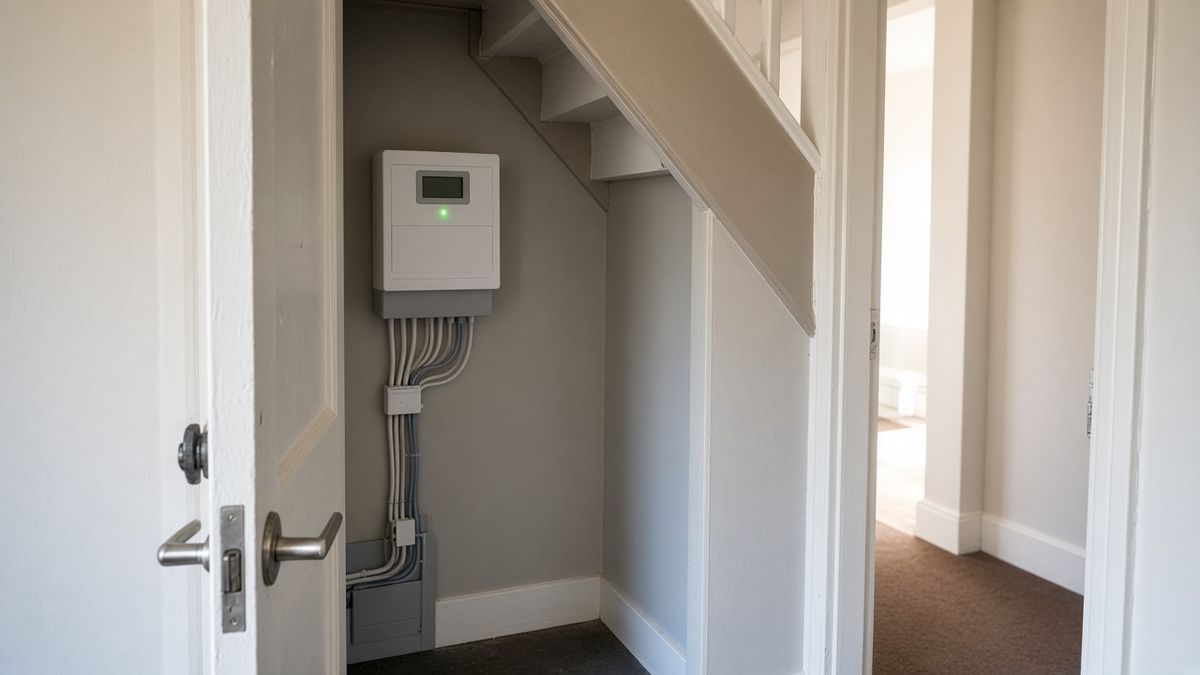
A smart meter looks like a small digital box with a screen showing current readings, fitted where your old meter was, paired with a separate handheld in-home display for the kitchen or hallway.
Can you buy a smart meter yourself?
No. You can't purchase one directly. Suppliers install approved SMETS2 units free of charge through the DCC network; contact your supplier to book a fitting instead.
The Bottom Line
A smart meter gives accurate bills, real-time cost data, and access to smart tariffs, at the cost of occasional signal issues and a short installation visit. It isn't compulsory, but a working SMETS2 meter opens the door to cheaper time-of-use rates and faster fault fixes under Ofgem's 2026 rules. Compare energy suppliers through Switch to find a deal that pairs well with your smart meter and start cutting your bill today.
Compare home energy deals
- MoneySuperMarket residential gas & electricity journey
- Enter your postcode and usage for live quotes
- Household switch path only — not business energy
FAQ (refreshed 13 Sep 2026)
Does switching cut off my energy?
Supply continues. The switch is an account change, not a physical disconnection.
What is the October 2026 dual-fuel cap figure?
£1,723 a year typical Direct Debit at Ofgem’s medium TDCV (2,500 / 9,500 kWh).
Where should I compare deals?
Start at switchsquid.com/energy (homes) or /business-energy/ (SME).
Do I need MPAN and MPRN?
MPAN for electricity, MPRN for gas. Dual fuel needs both.
Is the cap my bill?
No. Higher use means a higher bill even under the same capped unit rates.
Questions about switching? Ask Squid AI
Squid AI explains the price cap, tariffs and switching in plain English, then points you to the comparison.
- Save energy and moneyLearn when a fixed deal beats the price cap.
- Save timeAnswers in seconds, no forms or sign-up.
- Plain answersNo jargon, no sales calls, free to use.