How to Switch Energy Supplier in the UK
Switch energy supplier in under 5 minutes: no supply interruption, no engineer, no paperwork.
Energy supplier guides
Read our guides to the UK's main energy suppliers before you compare tariffs for your postcode.

Why Switch Energy Supplier?
What a Typical Year Costs on the Price Cap
National average Direct Debit cap rates. Oct–Dec 2026: 26.32p/kWh + 54.83p/day electricity, 7.97p/kWh + 29.68p/day gas. From 1 January 2027: 32.69p/kWh + 54.77p/day electricity, 10.96p/kWh + 29.65p/day gas. Fixed deals can cost more or less than the cap: compare the annual total at your usage.
← Swipe to see all columns →
5 Signs You Should Switch
01
Fixed deal ended
You rolled onto an SVT automatically without realising
02
No better deal offered
Your supplier has no obligation to find you a cheaper tariff
03
12+ months since last compare
The market changes every quarter, cheaper deals exist now
04
Bill jumped recently
October 2025 or January 2026 cap rises may have hit you
05
Paying by paper bill
Direct debit saves up to £120/year on the same tariff
When Is the Best Time to Switch Energy Supplier?
The best time depends on your current tariff type. There are 3 distinct situations.
On Standard Variable Tariff
Switch now. No exit fees. The October–December 2026 typical dual-fuel Direct Debit cap is £1,723, rising 26% to £2,166 from 1 January 2027. A fixed deal locks the rate you agree.
Final 49 Days of a Fixed Deal
Switch now, exit fees are waived. Under Ofgem rules, suppliers cannot charge exit fees in the final 49 days. Use that window to compare and lock in your next deal.
Mid-Contract (>49 Days Left)
Calculate before switching. If a new deal saves £250/year and your exit fee is £120, you still save £130 in year one. Switch compares this automatically.
Your Switching Window at a Glance
← Swipe to see all columns →
How to Switch Energy Supplier: 5 Clear Steps
This guide covers every step from comparing tariffs to receiving your first bill from the new supplier.
Gather 3 Pieces of Information
You need your postcode, current supplier name, and annual energy usage in kWh. All 3 are on any recent bill. No bill? Switch estimates from your home size.
Compare Live Tariffs on Switch
Results rank every tariff by total annual cost. Filter by fixed or variable, contract length, green energy, or exit fee preference. Full unit rate and standing charge shown.
Choose Your Tariff and Confirm
Select your deal, set up direct debit, and submit your meter reading. Confirmation takes under 2 minutes. You never need to contact your old supplier.
14-Day Cooling-Off Period
Cancel within 14 days at zero cost. Your old supplier continues supplying you until the switch completes. You never pay for the same energy twice.
Switch Completes in 5 Working Days
Under the Energy Switch Guarantee, your transfer completes within 5 working days. If it takes longer, Ofgem entitles you to £40 automatic compensation.
What Happens After You Switch Energy Supplier?
← Swipe to see all columns →
Special Situations: Can I Still Switch?
Does switching energy supplier cause supply interruption?
Switching When in Debt to Your Current Supplier
← Swipe to see all columns →
Switching When Your Smart Meter Is a Concern
SMETS1 meters can be replaced with SMETS2 for free under government rollout obligations.
SMETS2 (post-2018)
Retains full smart functionality with all Ofgem suppliers. No action needed.
SMETS1 (pre-2018)
May temporarily revert to dumb mode. Ask your new supplier if they support SMETS1 before switching.
Economy 7 Smart Meter
Check your new supplier supports Economy 7 billing before switching. Confirm night rate is included.
Traditional / No Smart Meter
Standard non-smart meter works with any UK supplier. Take a meter reading on switchover day and send it to both your old and new supplier to ensure accurate final billing.
What to Look for When Choosing Your New Energy Tariff
Price is the main factor: but 4 other variables determine whether a deal is genuinely right for your household.
Unit Rate (p/kWh)
Ofgem Q2 2026 cap: 24.67p/kWh electricity, 5.74p/kWh gas. A fixed deal below those rates saves on every appliance.
Standing Charge (p/day)
Fixed daily fee, £314/year combined at the cap. Low-standing-charge tariffs benefit low-usage homes.
Contract Length & Exit Fees
12 or 24 months. Exit fees £50–£100 per fuel if leaving early. Switch displays these clearly.
Payment Method
Direct debit is cheapest. Standard credit costs £60–£120/year more. Switch to DD when switching.
Green Certification
100% renewable electricity matched kWh-for-kWh. Fully renewable gas (biomethane) is rarer.
Are You Protected When You Switch Energy Supplier?
Yes. UK energy switching carries 5 layers of consumer protection: all enforced by Ofgem.
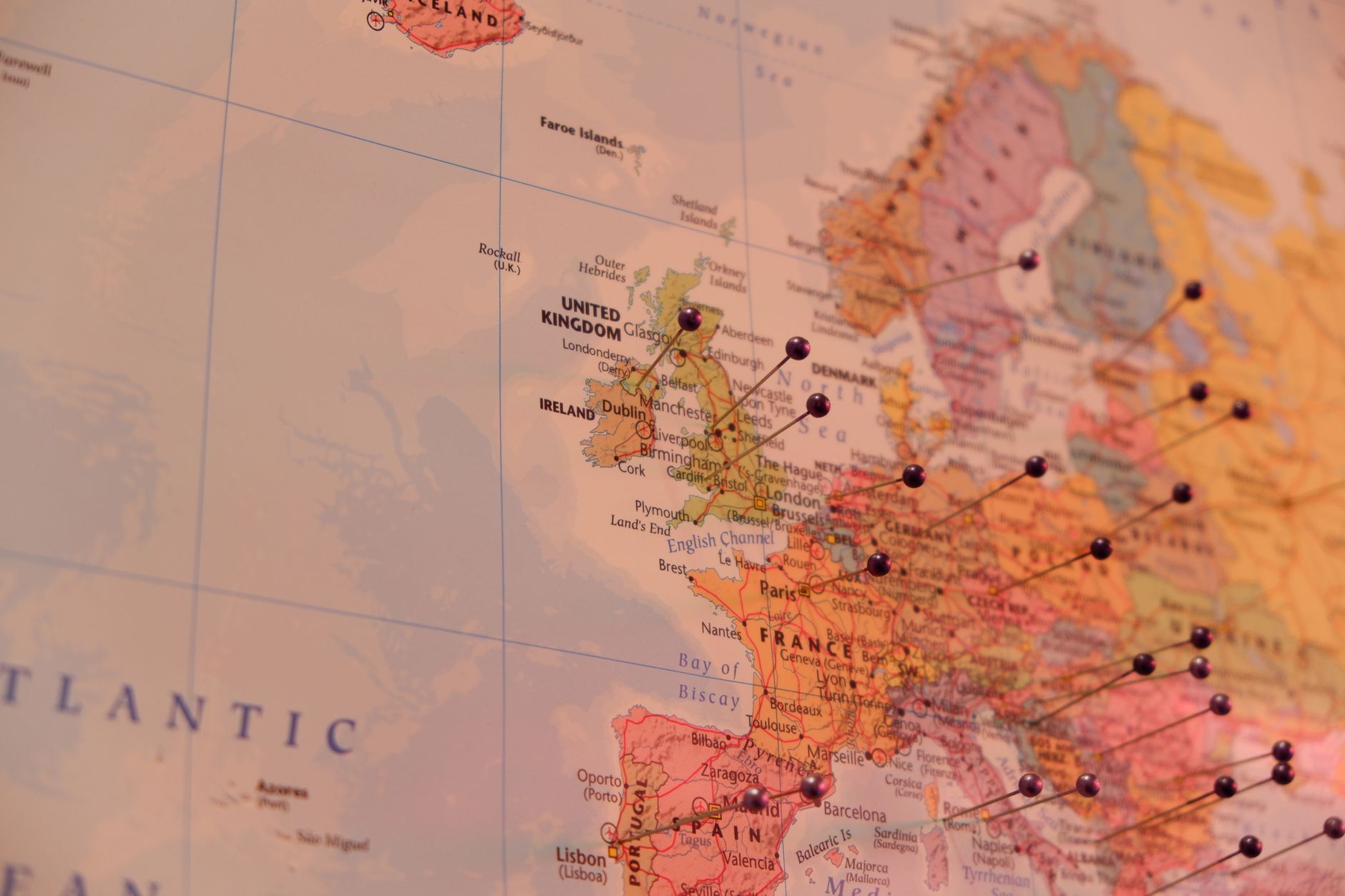
Does the Cheapest Energy Deal Vary by UK Region?
Regional Rate Ranges: Q2 2026
Indicative ranges from Ofgem Q2 2026 data. Exact rate depends on specific postcode and tariff. NI regulated separately by the Utility Regulator.
← Swipe to see all columns →
Questions about switching? Ask Squid AI
Squid AI explains the price cap, tariffs and switching in plain English, then points you to the comparison.
- Save energy and moneyLearn when a fixed deal beats the price cap.
- Save timeAnswers in seconds, no forms or sign-up.
- Plain answersNo jargon, no pressure, free to use.
Frequently Asked Questions: Switching Energy Supplier UK
How long does it take to switch energy supplier?
Under the Energy Switch Guarantee, the switch completes within 5 working days of your application. The online comparison takes under 5 minutes. Supply is uninterrupted.
Will my energy supply be cut off during the switch?
Do I need to contact my old energy supplier to switch?
What happens to my energy credit when I switch?
Can I switch energy supplier if I'm on a fixed deal?
Can I switch to the same energy supplier?
How often can I switch energy supplier?
Does switching energy affect my credit score?
What is the Energy Switch Guarantee?
Can I switch energy if I have a smart meter?
Will I get a bill from my old supplier after I switch?
What information do I need to switch energy supplier?
Switch Energy Supplier Now: Takes Under 5 Minutes
The October–December 2026 Ofgem cap is £1,723 a year for a typical dual-fuel Direct Debit household until 31 December 2026; from 1 January 2027 it rises 26% to £2,166. The April–June 2026 figure of £1,641 is historical.
Over 19 million UK households are on a standard variable tariff. If you are one of them, you are paying the maximum allowed rate. The switch takes under 5 minutes.
Latest from our experts

Standard Credit vs Direct Debit: Pay £162 Less on Energy From January
Paying for energy on receipt of bill costs £2,328 a year under the January 2027 cap, against £2,166 by Direct Debit. How to change and when a fix saves more.

New Energy Price Cap January 2027: £2,166, Rates per kWh and Why It Went Up
As of 27 November 2026, the new energy price cap is £2,166 a year from 1 January, up 26%. Rates per kWh, why it went up, who it affects and what to do next.

E.ON Next vs British Gas (November 2026): Tariffs, Prices and Which to Choose
E.ON Next vs British Gas, 16 November 2026: Pledge £50 below the £1,723 cap on typical use, versus British Gas Fix & Fall over two years.

Compare home energy with Squid AI: should you fix? (November 2026)
Ask Squid AI about the price cap, fixed vs variable tariffs and when to fix, then compare home energy tariffs for your postcode. Free, no sign-up.
Smart Thermostat UK: What It Is and How It Works in 2026
Find out what a smart thermostat is, how it works with UK combi boilers, and how much you can save on heating bills in 2026.
How Do Energy Bills Work? UK Bills Explained 2026
How UK energy bills work in 2026: unit rates, standing charges, 0% VAT on household electricity until mid-2027, and Ofgem’s £1,723 typical dual-fuel figure.

How the Energy Price Cap Works: Rates, Payment and 2027
How the energy price cap works in Great Britain: unit rates, standing charges and payment methods, with Ofgem’s £2,166 January 2027 cap and £1,723 until then.

Should I Fix My Energy Deal in 2026? Fix vs Price Cap
Should I fix my energy deal in 2026? How a fixed quote compares with Ofgem’s £1,723 price cap, the pros and cons of fixing, and how to compare fixed deals.