One formula prices every appliance you own
Electricity now costs 26.11p per kWh on a standard Direct Debit tariff, up from 24.67p before 1 July 2026. Once you know that number, you can price literally anything in your home with one calculation: kilowatts × hours used × 26.11p.
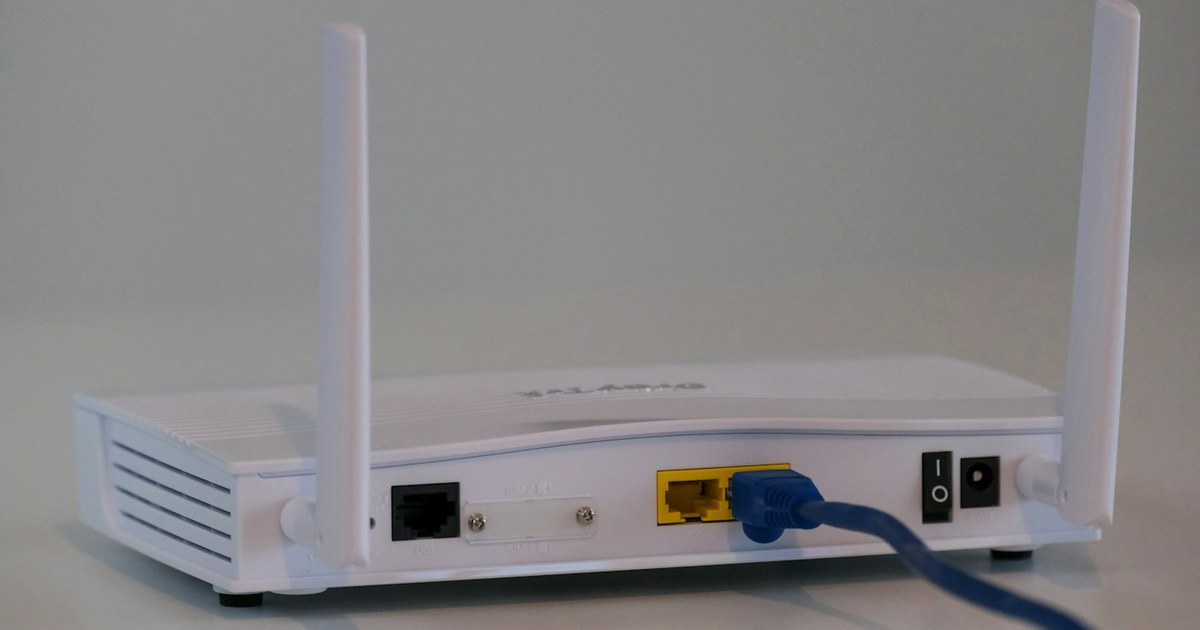
A 2kW fan heater running for three hours costs 2 × 3 × 26.11p, which is £1.57. A 10W router left on all day costs 0.01 × 24 × 26.11p, which is about 6.3p. The wattage is printed on the appliance's rating plate, usually on the back or underside; divide by 1,000 to turn watts into kilowatts and the formula does the rest. Every figure in this guide is built the same way, so you can check the maths yourself and rerun it whenever the cap changes again. Kitchen appliances that drive electricity use. Unit rates move with the October 2026 price cap (£1,723 typical dual-fuel context).

The full appliance price board at 26.11p per kWh
Appliance | Energy per use | Cost per use | Typical year |
Kettle, full 1.7L boil | 0.20 kWh | 5p | £38 (2 boils a day) |
Toaster, 2 slices | 0.05 kWh | 1.3p | £5 |
Microwave, 10 min at 800W | 0.13 kWh | 3.5p | £13 |
Air fryer, 15 min at 1.5kW | 0.38 kWh | 10p | £36 (daily use) |
Electric oven, 45 min with preheat | ≈1.0 kWh | 26p | £95 (daily use) |
Induction hob, 30 min | ≈0.7 kWh | 18p | £67 |
Dishwasher, eco cycle | ≈1.0 kWh | 26p | £54 (4 cycles a week) |
Washing machine, 30°C cycle | ≈0.9 kWh | 23p | £64 |
Tumble dryer, condenser | ≈2.5 kWh a load | 65p | ≈£138 |
Tumble dryer, heat pump | ≈1.0 kWh a load | 26p | ≈£54 |
Fridge freezer, always on | ≈0.7 kWh a day | 18p a day | £65 |
55 inch LED TV, 4 hrs a day | 0.32 kWh a day | 8p a day | £30 |
Games console, 2 hrs gaming | 0.30 kWh | 8p | £29 |
Electric shower, 10 min at 9kW | 1.50 kWh | 39p | £143 (daily) |
Wi-Fi router, 24/7 at 10W | 0.24 kWh a day | 6p a day | £23 |
Figures use typical wattages and cycle energies. Check your own appliance's rating plate or energy label for exact numbers, and use the annual assumptions stated for each row.
Heat is what costs money, not electronics
Line up that table and one pattern jumps out: anything whose job is making heat, dryers, ovens, showers, kettles, sits far above anything electronic. A two hour gaming session costs 8p. A single condenser dryer load costs 65p, more than eight evenings of gaming. This single rule answers most 'should I worry about this?' questions before you even need the formula: worry about the heat makers, relax about the gadgets left on standby.
Air fryer, oven, or microwave: the real cost per meal
The air fryer's reputation holds up, but only for the right job:
Microwave: 0.13 kWh, about 3.5p. Unbeatable for reheating leftovers.
Air fryer, 15 minutes at 1.5kW: 0.38 kWh, about 10p. Wins for one or two portions with no preheat needed.
Full size oven, 45 minutes with preheat: about 1.0 kWh, roughly 26p, but the whole oven cooks for that same price, so a family meal filling multiple shelves can beat the air fryer on cost per portion.
The rule that follows: small portions favour the air fryer, saving around 16p a use and roughly £58 a year against daily oven use, while batch cooking favours the oven with leftovers reheated in the microwave.
Swaps that pay for themselves, and how fast
Swap | Saving per year | Upfront cost | Payback |
Condenser dryer to heat pump dryer | ≈£84 | £150 to £300 premium | 2 to 4 years |
Oven to air fryer, small portions, daily | ≈£58 | £50 to £100 | 1 to 2 years |
40°C washes to 30°C washes | ≈£12 to £15 | Free | Immediate |
Airer instead of 3 dryer loads a week | ≈£100 | ≈£15 airer | Weeks |
Boil only the water you need | ≈£19 | Free | Immediate |
The heat pump dryer earns its reputation twice over: same result, around 60% less energy, roughly £54 a year against £138 for a condenser dryer at typical use. If your old dryer needs replacing anyway, the price premium pays back within a couple of years, sooner still if you dry more than three loads a week.
Standby drain: the honest numbers
Vampire devices make for scary headlines, but running the formula calms things down. UK and EU ecodesign rules mean most modern electronics draw under 1W in true standby. The real cost sits with kit that is always on rather than genuinely asleep: set top boxes stuck in active standby, older soundbars, a desktop left sleeping instead of shut down. A combined 10W of that always on load costs 0.01 × 24 × 365 × 26.11p, close to £23 a year. Stack an older set top box, a console left on instant on, and a couple of chargers together and 30W is realistic, nearer £69 a year.
The five minute fix: switch consoles from instant on to a proper energy saver mode, put the TV stack on one switchable extension lead, and shut the desktop PC down fully rather than leaving it asleep. Phone chargers left plugged in with nothing attached draw close to nothing and are not worth chasing.
Time of use tariffs: the same dryer load for half the price
Every number above assumes a flat, capped rate. A smart time of use tariff changes the maths by pricing an overnight window well below the cap in exchange for pricier peak hours. Shift the heavy jobs, dishwasher, washing machine, dryer, EV charging, into that cheap window and their cost drops sharply without changing how you actually live.
A 65p condenser dryer load can fall under 30p on an off peak rate, and a household running all three heavy cycles overnight can realistically save £80 to £150 a year against the flat rate, more again with an EV on the drive. If your usage already skews to evenings, compare electricity tariffs including time of use options, or check the wider cheap energy deals comparison for what is available at your postcode.
Gas versus electricity for cooking and hot water
Gas also moved on 1 July 2026, up to 7.33p per kWh from 5.74p, a 28% rise. Even after that jump, gas is still far cheaper per unit of heat than 26.11p electricity, which shuffles a few comparisons worth knowing:
Hob: a 30 minute gas hob session uses roughly 1.0 kWh of gas, about 7p, against roughly 18p for the same time on induction. Gas wins on running cost; induction wins on speed and efficiency per unit of heat delivered.
Hot water: a 10 minute shower heated by a gas combi boiler costs roughly half what the same shower costs through a 9kW electric shower, one reason electric shower households often see surprisingly high electricity bills.
The exception: small jobs. Boiling a single cup of water in an electric kettle, about 1.6p, still beats heating a pan on any hob, gas included, because the kettle only ever heats the water you actually need.
The practical rule if you have both fuels: push sustained heating jobs toward gas and save electricity for short, precise tasks. And since this is now a two rate problem rather than one, it is worth checking gas tariffs alongside electricity rather than assuming your current supplier is still competitive on both.

Use your in home display to catch the real hogs
A smart meter's in home display is a free diagnostic tool most households never touch. Two ten minute experiments beat any generic price table:
Find your baseline. Late at night with everything switched off, read the wattage shown. That is your always on load, fridge, router, and standby cluster combined. A healthy baseline sits around 50 to 100W, roughly £115 to £230 a year at the new rate. A reading over 200W means something is quietly drawing power for no benefit, worth chasing down with a plug in energy monitor.
Price one appliance live. Watch the display, switch the suspect on, and read the jump. A 2,000W jump when the dryer starts works out at 52p an hour at 26.11p per kWh, shown right there on the screen, and settles most household arguments about what is actually expensive.
Reviewing appliance costs is also a natural moment to check the rest of the household bill stack. If it has been a while since you compared providers, a broadband deal review alongside your energy tariff often turns up savings in the same ten minutes.
Frequently asked questions
Is it cheaper to run appliances at night?
Only if you are on a time of use tariff such as Economy 7 or a smart tariff. On a standard flat rate tariff, a kWh costs the same at 3am as it does at 6pm, so check your tariff type before shifting your routine around midnight loads.
Does eco mode actually save money?
Yes. Eco cycles on dishwashers and washing machines run longer but at a lower temperature, and heating the water is most of the cost, not the cycle length. An eco cycle typically uses 20% to 40% less energy than the standard programme.
How do I find an appliance's wattage?
Look for the rating plate, a sticker or engraving on the back, base, or door frame, showing watts or kilowatts. A £10 to £15 plug in energy monitor gives live, real world readings, which is genuinely useful for appliances like fridges and consoles whose draw varies through the day.
Is leaving the heating on low all day cheaper than short bursts?
For almost every home, no. A house loses heat constantly while it stays warm, so the longer it is warm, the more total energy escapes. Timed heating that matches when people are actually home nearly always costs less than a low, constant background level. Very well insulated homes running heat pumps designed for steady operation are the main exception.
Will these figures change again in October 2026?
Probably, since Ofgem resets the price cap every three months. The wattages and per use energy figures in this guide do not change, so simply rerun the formula with whatever the new unit rate turns out to be.
Electricity rate: 26.11p/kWh, Ofgem GB average for Direct Debit, 1 July to 30 September 2026, including VAT. Gas rate: 7.33p/kWh over the same period. Regional rates vary. Appliance energies are typical values; your model's energy label gives exact figures.
FAQ
What is this guide about?
This guide explains What Your Appliances Cost to Run From July 2026 for UK shoppers, with figures re-checked around 1 July 2026. Always confirm the live price and terms on the retailer or supplier page before you buy or switch.
When was this last updated?
We refreshed the facts for 1 July 2026. Offers and caps move — treat any cash figure here as a snapshot and re-check on the day you act.
Should I fix or stay on a variable tariff?
Fixing can buy bill certainty; staying variable tracks the market and the price cap. Compare exit fees, unit rates and standing charges on the day you switch — not last month’s screenshot.
Does this apply in Northern Ireland?
Great Britain and Northern Ireland energy rules differ. If you are in NI, check NI-specific guidance rather than assuming GB cap or VAT changes apply unchanged.
Are Compare buttons affiliate links?
Home energy Compare buttons that go through MoneySuperMarket-style affiliate links may earn SwitchSquid a commission at no extra cost to you. Business energy stays on our own form where that path applies.
How often should I re-check my tariff?
Re-check when the price cap updates, when a fix ends, or if your usage changes. A deal that was cheapest in spring can lag by autumn.
What if I am a business / SME customer?
Non-domestic energy uses different products and switching rules. Use the business energy path rather than a domestic cap calculator.