Last updated: Thursday 29 October 2026
As of 14 October 2026, Ofgem’s smart meter help page says Radio Teleswitch (RTS) electricity meters are not supported any more, and supplier pages such as EDF’s say the RTS radio signal was decommissioned across the UK on 30 June 2026 after a phased switch-off that began on 30 June 2025 — while typical Direct Debit dual-fuel use still sits under the £1,723 price-cap average for 1 October to 31 December 2026. If your home still relies on an RTS meter — often linked to Economy 7, Economy 10 or electric storage heating — you should contact your electricity supplier for a free replacement, usually a smart meter, so peak/off-peak switching and heating or hot-water controls keep working. SwitchSquid sets out what RTS is, what has changed by October 2026, and how meter replacement sits alongside comparing energy deals; we may earn a commission if you use our residential comparison links.
Sources: Ofgem — get help with your smart meter (RTS section), Ofgem — Radio Teleswitch Service phase-out approach, EDF — RTS shutdown and Ofgem — price cap unit rates.
Compare energy deals after an RTS meter upgrade
- Arrange a free replacement meter, usually a smart meter, with your supplier first
- Typical Direct Debit dual fuel use sits under an Ofgem average of £1,723 a year from 1 October to 31 December 2026
- Main limitation: off-peak hours after a replacement may not match your old RTS schedule exactly
What a Radio Teleswitch meter does
RTS equipment uses a long-wave radio signal to tell some older multi-rate electricity meters when to switch between peak and off-peak rates, and in many homes when to turn storage heaters or immersion heaters on and off. EDF’s RTS guidance notes that affected setups often include electric storage systems, panel heaters or immersion heaters, and that tariffs such as Economy 7, Economy 10 or Total Heat Total Control are common clues. Single-rate meters and newer multi-rate meters without RTS are not in the same boat.
Practical clues you may have RTS gear include a separate switch box near the meter with a radio teleswitch label, electric heating as the main heat source, no gas supply to the property, and cheaper overnight electricity rates. If you are unsure, ask your supplier — do not open sealed equipment yourself.
What changed by October 2026
Milestone | What sourced pages say |
|---|---|
30 June 2025 | Ofgem: phase-out of the RTS signal started; suppliers began sequenced regional switch-off while replacing meters |
1 August 2025 | Ofgem policy: suppliers must offer a 24/7 enquiry service for households to report supply interruptions and get support |
Through winter 2025–26 | Industry materials described pauses in the coldest months and resumed regional switch-off activity in early 2026 |
30 June 2026 | EDF: RTS signal was switched off fully across all UK areas; technology decommissioned |
October 2026 | Ofgem smart-meter help page: RTS meters are not supported any more; contact your supplier for a new smart meter if you still have one |
Ofgem’s July 2025 phase-out policy note said that when that page was published there were still under 300,000 RTS meters to upgrade, and that suppliers must prioritise people who need extra help, including those on the Priority Services Register. If you still have the old RTS equipment, book the free exchange.
Compare fixed-price energy deals for your new meter
- A fix locks your unit rates and standing charges for the term
- Check that any off-peak hours suit how you heat water or charge storage heaters
- Main limitation: exit fees apply on some fixed deals
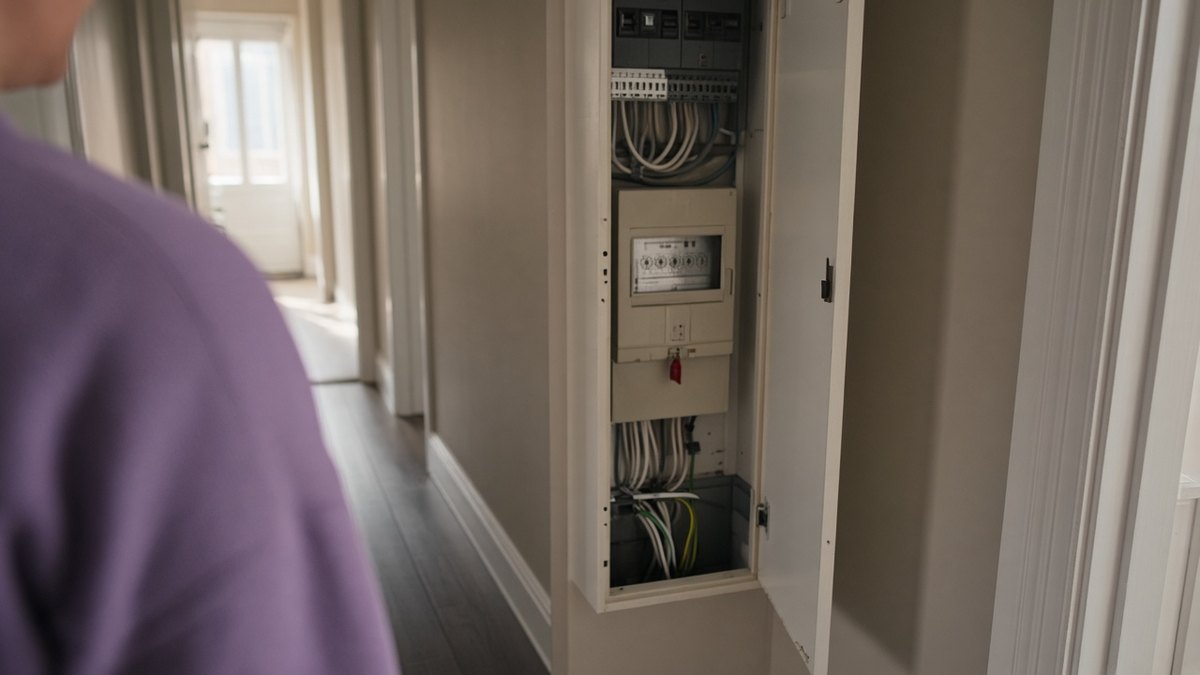
What can go wrong if the RTS signal does not reach your meter
EDF warns that if you have not upgraded, heating and hot water may stay continually on or off, or charge at the wrong time of day. You may also lose a clear split between peak and off-peak use, which can make electricity costs much higher than before. Even if billing looks “totalised” on one rate, or you later had gas installed, RTS-controlled meters still need changing according to that guidance.
Ofgem’s consumer advice is aligned: without the technology telling RTS meters when to swap rates, they may not work properly, and heating or hot water can stop functioning as normal. Suppliers must make sure you have a suitable meter installed and that service is not disrupted. If you have no heating or hot water, treat it as urgent and contact the supplier straight away.
Replacement meters, smart tariffs and the October price cap
Upgrading usually means a smart meter (or another suitable metering solution your supplier offers). Smart meters can support dual-rate and more flexible tariffs once they are working. You can still choose how much half-hourly data you share, within the rules your supplier explains. After the exchange, check that any off-peak hours on your new tariff match how you actually heat water or charge storage heaters — hours are not guaranteed to mirror the old RTS schedule exactly.
Separately, the residential price cap for 1 October to 31 December 2026 averages £1,723 a year for typical Direct Debit dual-fuel use, with Direct Debit electricity at 26.32p/kWh (54.83p daily standing charge) and gas at 7.97p/kWh (29.68p daily standing charge) on Ofgem’s averages when checked on 14 October 2026. Multi-rate electricity such as Economy 7 sits under the multi-rate side of the cap; our Economy 7 October 2026 guide covers that structure. Replacing an RTS meter does not automatically put you on the cheapest deal — compare afterwards with your new meter type selected.

Step-by-step: RTS meter switch and then energy deal switch
Confirm RTS with your supplier if you are unsure — ask them to check the metering type on your account.
Book a free replacement appointment. Suppliers should follow Guaranteed Standards of Performance for meter appointments; Ofgem’s phase-out materials remind consumers that compensation can apply when standards are missed.
Tell them about heating and hot-water needs, especially if someone in the home is on the Priority Services Register.
After installation, take a photo of the new meter serial and any in-home display, and confirm peak/off-peak times in writing.
Compare tariffs for your postcode and meter type under the current £1,723 Direct Debit yardstick — see cheapest energy deals UK October 2026.
If you switch supplier later, keep supply continuity in mind; switches should complete within five working days and you have a 14-day cooling-off period.
Tenants, landlords and access problems
If you pay the electricity supplier yourself, you can usually arrange the meter exchange. If the landlord’s name is on the account, they need to be involved. EDF notes that tight meter cupboards, asbestos on the meter board, or network-operator work can delay some appointments — suppliers should explain access requirements rather than leaving you guessing. Never move a meter yourself.
Who should act
Act now: anyone who still has RTS equipment after the June 2026 signal end — book the free upgrade.
Urgent: homes with heating or hot water stuck on/off wrongly after the signal change.
Compare deals after the meter works: so quotes match your new multi-rate or smart setup.
Priority help: PSR customers and electric-heated homes should tell the supplier about vulnerability needs when booking.
Important conditions
Dates and status checked on 14 October 2026 on Ofgem and EDF pages; other suppliers may phrase the same industry shutdown differently.
Meter replacement is free from the supplier in the normal RTS upgrade programme; complex access work can involve other parties.
Price-cap figures are Great Britain averages for typical use; your bill depends on kWh and region.
We may earn a commission from residential comparison links.
Quick decision guide
Still on RTS? Contact your electricity supplier for a free smart (or suitable) meter swap.
Heating or hot water failing? Call them as urgent, especially overnight in cold weather.
Meter already replaced? Compare multi-rate or smart tariffs against the £1,723 Direct Debit average for your usage.
Check dual fuel deals for your home
- Gas and electricity from one supplier, if your home has a gas supply
- Keep Priority Services Register details handy if someone needs extra help
- You have a 14-day cooling-off period after you agree to switch supplier
FAQ
What is a Radio Teleswitch (RTS) meter?
It is an older electricity metering setup that uses a radio signal to switch between peak and off-peak rates and, in many homes, to control storage heaters or hot water. It was common on some Economy 7-style and electric-heating tariffs. Newer single-rate and smart meters do not rely on that radio service.
Has the RTS signal been switched off in the UK?
Ofgem’s phase-out approach says the RTS signal phase-out started from 30 June 2025. EDF states the signal was switched off fully across all UK areas on 30 June 2026. Ofgem’s smart meter help page now says RTS meters are not supported any more.
What should I do if I still have an RTS meter in October 2026?
Contact your electricity supplier and arrange a free replacement meter, usually a smart meter. Do not wait for heating or billing problems to appear. Ask them to confirm peak and off-peak times after the exchange.
Will my heating stop working without an RTS upgrade?
It might. Supplier guidance warns that heating or hot water can stay on or off at the wrong times when the radio signal does not control the old equipment. If you have no heat or hot water, contact your supplier urgently.
Do I have to take a smart meter?
Suppliers generally install meters that can provide smart services as part of the government-backed rollout. Some customers discuss limited smart functionality with their supplier, but exchanging the RTS hardware is still required to stop disruption. Ask your supplier what options they offer for your setup.
Can I switch energy supplier before my RTS meter is replaced?
You can often switch if you pay the supplier directly, but replacing the RTS meter remains a priority so heating and rate switching work. Tell any new supplier about your meter type and heating system. Compare deals carefully once the new meter is in place.
How does the October 2026 price cap affect RTS homes?
The typical Direct Debit dual-fuel cap level is £1,723 a year from 1 October to 31 December 2026. Multi-rate electricity has its own capped structure. Your bill still depends on how much you use at peak versus off-peak times after any meter change.
Where can I compare energy deals after an RTS upgrade?
Use a residential comparison that asks for your postcode, usage and meter type. The buttons in this guide open MoneySuperMarket’s gas and electricity comparison.
Questions about switching? Ask Squid AI
Squid AI explains the price cap, tariffs and switching in plain English, then points you to the comparison.
- Save energy and moneyLearn when a fixed deal beats the price cap.
- Save timeAnswers in seconds, no forms or sign-up.
- Plain answersNo jargon, no pressure, free to use.