What is an MPAN number? It's the 21-digit code that identifies your electricity supply point in the UK, printed on every bill and used by suppliers to bill you, switch your account, and register your property on the national database.
Every property connected to the electricity grid has one, and it stays with the property rather than the occupant. Your MPAN (Meter Point Administration Number) differs from your account number, your meter serial number, and your MPRN, the equivalent reference for gas. You'll need it for a handful of practical tasks in 2026: switching suppliers, moving house, installing solar panels, or resolving a billing dispute.
What Does MPAN Stand For
MPAN stands for Meter Point Administration Number. Some suppliers label it a "supply number" or an "S number" on printed bills, but it's the same 21-digit reference either way. The Meter Point Administration Service (MPAS), run through each region's Distribution Network Operator (DNO), issues and maintains these numbers. Fourteen licensed DNOs cover Great Britain between them, and each manages the MPAN database for its own region. Your electricity supplier reads from this database every time it processes a bill, switch request, or meter change.
Why You Need Your MPAN Number
Five situations call for your MPAN number. Switching suppliers comes first: your new supplier submits your MPAN to the industry database to transfer your account without touching the physical meter. Moving house comes second: the number confirms which meter belongs to your new address, so your final bill matches the right property. Installing solar panels comes third: your installer and supplier need it to register your export meter. Resolving a billing dispute comes fourth: quoting your MPAN lets your supplier check meter records directly instead of relying on estimates. Registering a new-build property comes fifth: your MPAN gets created the moment your meter connects to the network, before you've even opened an account.
Your MPAN doesn't change when you switch suppliers, move to a new provider, or when a previous occupant leaves the property. It's tied to the physical connection point, not to whoever bills you. Suppliers update their own records to point at the same MPAN in the background, and under the Energy Switch Guarantee, this transfer completes within 5 working days without any interruption to your supply.
What Is an MPAN Number Made Of? The 21-Digit Structure Explained
An MPAN number splits into two lines that total 21 digits. The top line, sometimes left off bills, carries 8 digits: a 2-digit Profile Class, a 3-digit Meter Timeswitch Code (MTC), and a 3-digit Line Loss Factor (LLF). Profile Classes range from 01 to 08 and cover domestic and small business meters. For example, Class 01 marks a standard single-rate domestic meter, and Class 02 marks an Economy 7 dual-rate meter. The MTC identifies the meter's timeswitch arrangement, and the LLF adjusts your bill for electricity lost as it travels from the power station to your property.
The bottom line carries the 13 digits your supplier actually needs, called the Core or Supply Number. It breaks down into a 2-digit Distributor ID, an 8-digit Unique Identifier specific to your meter, and a 1-digit Check Digit that validates the other 20 digits. The Distributor ID maps to one of the 14 regional networks, covering areas from London and the South East to the Midlands, the North, Scotland, and Wales. If a supplier asks for your MPAN and you can only see one row of numbers, that row is almost always the 13-digit Core, and it's enough on its own for switching or billing queries.
Where to Find Your MPAN Number on Your Bill
Your MPAN sits near the top of your electricity bill, usually on the front page, close to your address and account number. Suppliers print it as two rows of boxed digits, labelled "MPAN," "Supply Number," or "S Number." Look for a row of 13 digits directly beneath a shorter row of 8. If your bill is digital, check the account summary page or the PDF's first-page header.
Smart meter owners can also find the number through their supplier's mobile app, usually under "meter details" or "supply information," and through the in-home display's settings menu on some newer models. If you pay by direct debit and only receive an annual statement, check that document instead of a monthly payment confirmation, since payment confirmations rarely include the full MPAN.

How to Find Your MPAN Number Without a Bill
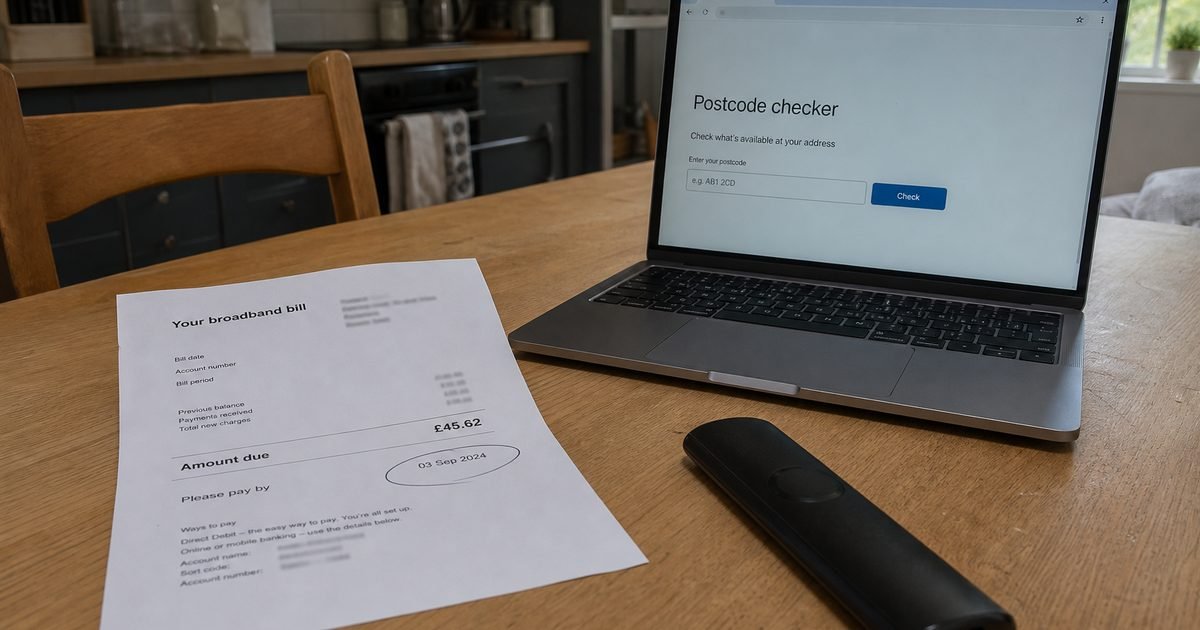
Four options work when you don't have a bill to hand. Call or message your current supplier and ask directly. Log into your online supplier account and check the meter or property details section. Search your postcode using your regional DNO's online lookup tool, since every DNO publishes a free postcode-to-MPAN checker. Check the meter itself, since some MPANs appear on a sticker near the serial number, though this isn't guaranteed on older units.
Contact your region's DNO directly if you've just moved into a property and the previous occupant has already left. DNOs hold every MPAN in their area regardless of who currently supplies the property, so they can confirm the number even before you've signed up with a supplier.
What Is an MPAN Number Compared to an MPRN
An MPAN covers electricity. An MPRN (Meter Point Reference Number) covers gas, and the two aren't interchangeable. Your MPRN runs 6 to 10 digits instead of 21, and it doesn't follow the same Profile Class and Line Loss Factor structure. You'll have one MPAN and one MPRN if your property runs on dual fuel, both needed separately when you switch or query a bill. Quoting an MPRN to a supplier when they've asked for your MPAN delays the request, since the two numbers sit in separate databases and identify different utilities.
Export MPAN for Solar Panel Owners
You'll have a second, export MPAN if you generate electricity through solar panels or another renewable source. This export MPAN sits alongside your normal import MPAN and tracks the electricity you send back to the grid rather than the electricity you draw from it. Your installer registers the export MPAN as part of your solar panel setup, and your supplier or a separate export tariff provider uses it to pay you for surplus generation under the Smart Export Guarantee (SEG). You can still generate power for your own use without a registered export MPAN, but you won't get paid for what you send back to the grid.
MPAN Numbers for Business and Half-Hourly Meters
Business properties use the same 21-digit MPAN format as domestic homes, though larger commercial meters carry a Profile Class of 00, marking them as half-hourly. Half-hourly meters record consumption every 30 minutes rather than through estimated readings, which is standard for offices, warehouses, and larger retail units. Your MPAN appears on a commercial bill in the same position as a domestic one, usually just below your business name and site address. Landlords managing multiple commercial units should keep each unit's MPAN on a separate record, since one building can hold several supply points under different Profile Classes.
Common Mistakes When Reading an MPAN Number
Three mistakes cause most support calls. Reading the top line instead of the Core Number tops the list: suppliers almost always want the 13-digit bottom row, not the 8-digit top row. Confusing your MPAN with your MPRN ranks second, since both appear together on dual-fuel bills, often in adjacent boxes, making it easy to copy the wrong one. Transposing digits when copying by hand ranks third: a single swapped digit fails the Check Digit validation and bounces your switch request back. Copy your MPAN directly from a screenshot or photo of your bill rather than typing it from memory to avoid all three.
MPAN Numbers and New-Build Properties
New-build properties get an MPAN before anyone moves in. Once the Distribution Network Operator connects the meter to the grid, the Meter Point Administration Service creates the record and assigns a Distributor ID, a Unique Identifier, and a Profile Class based on the meter type installed. Buyers and renters moving into a new-build should ask the developer or site manager for the MPAN before completion, since the property won't show up under any supplier's records until someone registers an account against that number. Skipping this step is the most common reason new-build owners end up on a supplier's expensive deemed rate instead of a tariff they've chosen.
How to Check Your MPAN Number Is Correct
Confirm the Check Digit before relying on a number you've copied down. The 20 digits ahead of it run through a fixed weighting formula, and the result should match the 21st digit exactly. Most suppliers and DNO postcode tools run this validation automatically, so the easier route is to enter your postcode into your regional DNO's checker and compare the result against what's printed on your bill. A mismatch usually means a transcription error rather than a genuine discrepancy, so recheck each digit against your bill before contacting your supplier.
Ready to Compare Energy Deals
Switching takes minutes once you've confirmed your MPAN. Switch Squid's home energy comparison tool pulls your usage data automatically and shows tariffs available for your exact meter setup.
If you're moving into a new property, our guide on how smart meters work explains what to expect from your first reading.
If a past bill looks wrong, our guide to fixing incorrect energy bills walks through the exact steps for a refund.
Your MPAN number matters most in the background: you'll rarely think about it until you're switching, moving, or querying a bill. Keep a copy somewhere accessible, whether that's a photo of your latest bill or a note in your phone, so you're not hunting for it under time pressure. Every other step, from comparing tariffs to registering solar exports, moves faster once you have it.
Frequently Asked Questions About MPAN Numbers
What is an MPAN number used for?
Your MPAN identifies your electricity supply point for switching suppliers, resolving billing disputes, registering solar panel exports, and confirming which meter belongs to your property when you move house.
Is my MPAN the same as my meter serial number?
No. Your meter serial number identifies the physical device and usually mixes letters and numbers. Your MPAN is a 21-digit, numbers-only reference tied to the supply point itself, not the meter hardware.
How many digits does an MPAN number have?
An MPAN has 21 digits, split into an 8-digit top line and a 13-digit Core Number. Suppliers usually only ask for the 13-digit Core Number when you switch or query a bill.
Can I find my MPAN number online?
Yes. Every regional DNO runs a free postcode lookup tool, and most suppliers show your MPAN inside your online account under meter or property details.
Does every property have an MPAN number?
Yes. Every property connected to the electricity grid gets an MPAN the moment its meter is installed, whether or not the owner has opened an energy account yet.
Do I need my MPAN number to switch energy suppliers?
Yes. Your new supplier submits your MPAN to the industry database to transfer your account, so switching without it isn't possible.