Home insulation is the most effective way to reduce residential heat loss, lower annual energy bills, and improve property comfort. An uninsulated property loses roughly 33% of its heat through the walls and an additional 25% directly through the roof. Installing high-quality thermal barriers cuts this energy waste, allowing heating systems to maintain stable indoor temperatures with significantly less fuel.
The financial return on your investment depends entirely on the specific installation type, the building's dimensions, and the primary fuel used for heating. Utilizing the current July 2026 Ofgem energy price cap baseline of 26.11p per kilowatt-hour (kWh) for electricity and 5.74p per kWh for gas, upgrading your home fabric delivers predictable, long-term financial reductions.
Home Insulation Prices and Savings by Type
The upfront cost of insulation varies based on the accessibility of the space, the surface area of the property, and the specific thermal materials required. To maximize energy efficiency, properties should target a comprehensive upgrade approach covering all major structural escape routes.
The table below outlines the average home insulation cost, estimated annual utility bill savings, and typical payback periods for a standard three-bedroom semi-detached house in the UK using current energy rates.
Insulation Type | Average Installation Cost | Typical Annual Savings | Estimated Payback Period |
Loft Insulation (0 to 270mm) | £900 - £1,200 | £355 | 3 - 4 Years |
Loft Top-Up (100mm to 270mm) | £500 - £750 | £40 | 12 - 15 Years |
Cavity Wall Insulation | £2,500 - £3,000 | £240 | 10 - 12 Years |
Solid External Wall Insulation | £12,000 - £16,000 | £330 | 35+ Years |
Solid Internal Wall Insulation | £7,500 - £9,500 | £315 | 24 - 30 Years |
Suspended Floor Insulation | £1,200 - £1,600 | £70 | 18 - 22 Years |
Core Home Insulation Types Explained
Selecting the best insulation method requires a clear understanding of your property's underlying construction style. Different structural areas require specialized insulation products to manage heat transfer and prevent structural moisture problems.
Loft and Roof Insulation
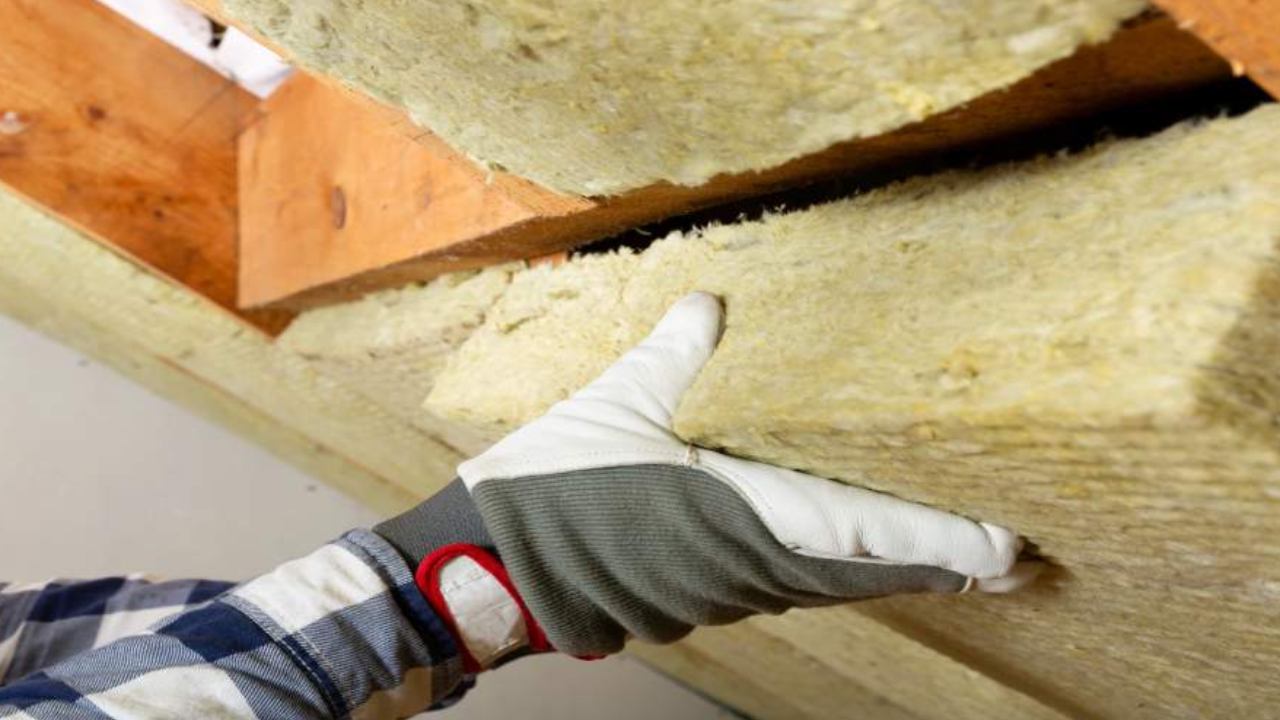
Roof spaces are the easiest and most cost-effective areas to upgrade. Mineral wool rolls are laid flat between the floor joists to a depth of 270mm for standard unutilized lofts. If the loft space is boarded or used as a functional living area, rigid foil-faced polyisocyanurate (PIR) boards are fixed securely between the sloping rafters to preserve headroom.
Cavity Wall Insulation
Properties constructed between 1920 and 1990 generally feature external walls made of two separate brick layers with an empty air gap between them. Specialized technicians drill small 22mm injection holes into the outer mortar joints at precise 1-meter intervals. Mineral wool fibre or bonded polystyrene beads are blown directly into the cavity under pressure before the access points are sealed seamlessly with matching mortar.
Solid Wall Insulation
Buildings constructed before 1920 generally lack internal cavities, meaning they drop indoor temperatures quickly through single solid brick layers. Solid wall treatments require structural alterations and represent a larger financial commitment:
External Wall Insulation (EWI): Rigid insulation slabs are fixed directly to the outside brickwork, covered with a protective weather-proof mesh, and finished with a premium render layer. This method preserves the indoor volume of the room and updates the property's exterior appearance.
Internal Wall Insulation (IWI): Insulated plasterboards are fixed directly onto the interior walls using heavy-duty structural adhesives or secured to a newly constructed timber stud frame. This method reduces room dimensions slightly but offers a practical solution when conservation rules restrict exterior alterations.
Underfloor Insulation
Suspended timber floors are insulated by lifting the existing floorboards and suspending netting between the wooden joists to hold flexible mineral wool batts in place. For solid concrete floors, high-density rigid insulation boards are laid flat across the surface and covered with a new layer of floating chipboard floor or floor screed.
How to Insulate a House: Step-by-Step Delivery Process
Achieving the full technical performance of structural insulation requires a disciplined installation process. Skipping preliminary diagnostic checks can trap moisture inside structural boundaries, leading to condensation issues.

Step 1: Conduct a Comprehensive Property Assessment (Prerequisite Phase)
Examine the property structure to confirm wall types, verify existing loft depth, and detect structural damp. Use electronic damp meters to ensure all brickwork is completely dry before introducing any insulating materials.
Step 2: Address Structural Anomalies and Thermal Bridges (Preparation Phase)
Repair broken external pointing, seal visible window frame gaps, and treat any active rising or penetrating damp. Remove stored items from the loft floor and ensure electrical wiring is routed properly above the future insulation layer to prevent overheating.
Step 3: Implement Specialized Airflow Ventilation Controls (Safety Integration)
Install dedicated eaves vents, roof tile vents, or underfloor air bricks to maintain consistent structural airflow. Keeping ventilation paths clear prevents warm, moist air from condensing against cold timber components.
Step 4: Install Core Thermal Materials (Execution Phase)
Lay mineral wool rolls evenly across the joists without compression, or inject insulation beads into the wall cavities. Use high-density expanding foam to seal the perimeters around pipes, loft hatches, and structural service entries.
Step 5: Perform Final Quality Assurance Checks (Verification Phase)
Verify the insulation thickness with deep-measuring rods to ensure uniform thermal performance. Confirm that the loft hatch is fully draft-sealed and insulated to the same thermal level as the surrounding ceiling space.
UK Government Insulation Grants and Funding Rules (2026)
Homeowners can significantly lower their upfront capital investment by leveraging active national grant programmes. The UK government currently offers targeted funding routes to upgrade less efficient properties.
Important Incentive: All residential insulation installation work is subject to a 0% VAT rate until March 31, 2027. This tax exemption applies directly to both the purchase price of the materials and the associated professional labor costs.
The Energy Company Obligation (ECO4)
The ECO4 scheme requires major domestic energy suppliers to fund comprehensive energy-efficiency upgrades for vulnerable or low-income households. The current phase runs until December 31, 2026, focusing on whole-house transformations rather than isolated product upgrades.
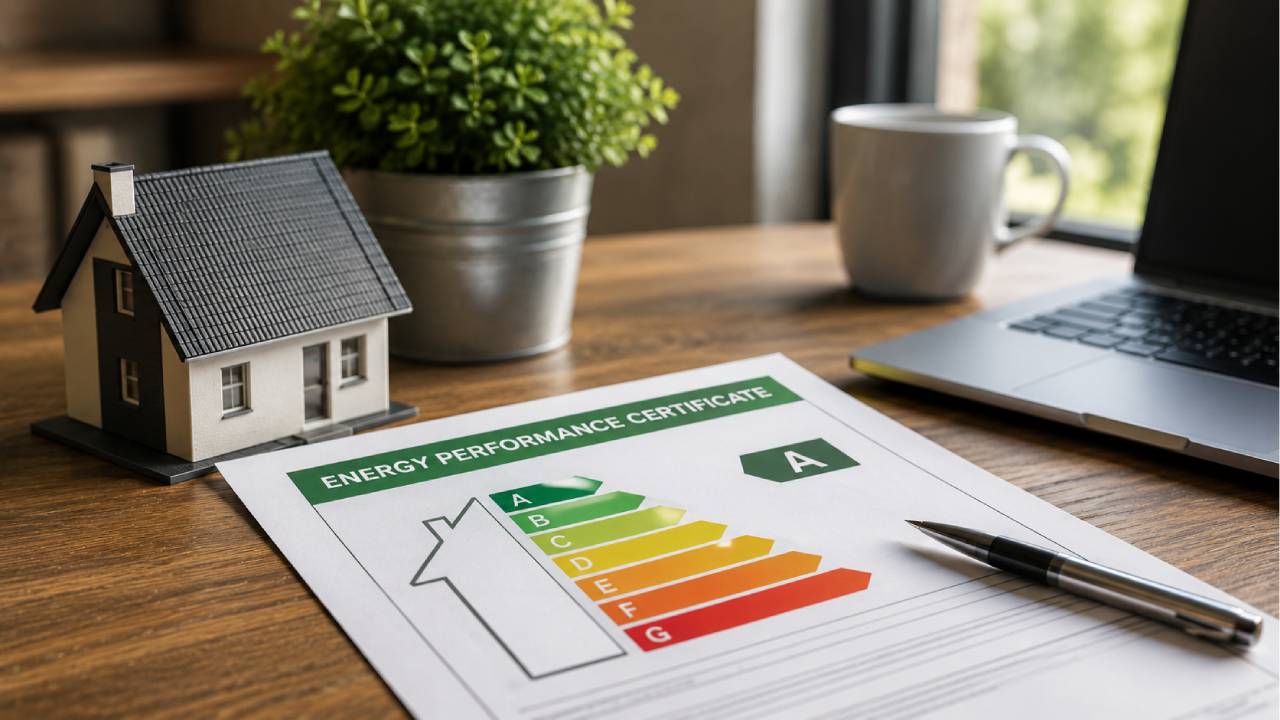
Eligibility Criteria: Applicants must own the property or have written permission from the landlord, possess a valid Energy Performance Certificate (EPC) rating of D, E, F, or G, and receive a qualifying means-tested benefit such as Universal Credit, Income Support, or Pension Credit.
LA Flex Integration: Local Authority Flexible Eligibility allows councils to refer households that do not receive benefits but have a gross annual income below £36,000, or include residents with long-term respiratory or cardiovascular health conditions.
The Warm Homes Local Grant
Replacing older regional funds, the Warm Homes Local Grant provides direct financial assistance to low-income households living in properties with low energy efficiency ratings. This scheme runs until March 31, 2028, and is managed directly by participating local authorities across England.
Target Audience: The grant targets off-gas grid properties and low-income urban areas, funding up to 100% of the cost for loft, cavity, and solid wall installations.
Property Standards: Buildings must have an initial EPC rating of D, E, F, or G to qualify for structural upgrades.
Identifying Competitor Information Gaps
A detailed review of standard energy advice guides highlights several common informational weaknesses:
Outdated Policy Timelines: Major comparison guides still point to the Great British Insulation Scheme (GBIS) as an active options route. However, GBIS closed to all new applicants on March 31, 2026, shifting remaining resources into the Warm Homes Local Grant. Following outdated guides leads to failed grant applications.
Stale Energy Costing Baselines: Many resources rely on old price caps from 2024 or 2025 to calculate financial savings. The current calculations in this guide use the July 2026 Ofgem rate of 26.11p/kWh, ensuring accurate payback timelines.
Lack of Property Specification Matrix: Standard advice sites often display a single, generic wall insulation cost figure. In reality, an uninsulated solid brick wall requires entirely different techniques, capital costs, and timelines than a modern uninsulated cavity structure.
To explore your potential savings or view current utility tariffs, check your baseline usage through the comprehensive digital tools available at switchsquid.com to model your home's unique energy consumption profile.
Frequently Asked Questions (FAQs)
Can I get free home insulation if I am not currently receiving government benefits?
Yes. You can secure full funding without receiving benefits through two specific routes. The Warm Homes Local Grant accepts applications from households with a total gross annual income below £36,000, regardless of benefit status. Alternatively, you can apply through the ECO4 LA Flex route, where local councils refer households based on local low-income postcodes or specific health vulnerabilities that worsen in cold conditions.
Is cavity wall insulation safe for properties exposed to heavy wind and rain?
No. Cavity wall insulation is not suitable for properties located in areas facing severe driving rain, such as exposed coastal regions in western parts of the UK. Filling the cavity in these damp environments creates a bridge that allows moisture to travel from the wet outer brickwork directly to the inner plaster walls, causing damp issues. A professional survey following PAS 2035 standards must verify your local weather exposure before installation begins.
Will installing comprehensive home insulation cause internal damp or condensation?
No. High-quality thermal insulation does not cause structural damp if it is paired with proper ventilation. Condensation occurs when warm, moist internal air hits a cold, uninsulated surface. By warming the internal wall surfaces, insulation eliminates these cold spots. However, you must install appropriate eaves vents and air bricks to ensure moist air can escape from the property.
How long does standard mineral wool loft insulation last before needing replacement?
40 years. Modern mineral wool insulation rolls do not rot, degrade, or lose their thermal properties over time, provided they remain completely dry and are not compressed. If you compress the material by stepping on it or storing heavy boxes directly on top of the rolls, you crush the trapped air pockets, reducing its overall thermal efficiency.
Should I insulate my home's walls before upgrading to a modern heat pump?
Yes. Upgrading your home's insulation before changing your heating system is highly recommended. Heat pumps operate at lower flow temperatures than traditional gas boilers. If your property leaks heat through empty walls or an uninsulated roof, a heat pump will struggle to keep your rooms warm and will consume significantly more electricity, driving up your energy bills.
What is the exact minimum EPC rating required to qualify for government grants?
An EPC rating of D. Both the ECO4 scheme and the Warm Homes Local Grant require properties to have an official Energy Performance Certificate rating of D, E, F, or G. Properties that already hold an EPC rating of A, B, or C are considered energy efficient and do not qualify for government-funded structural insulation grants.
Can I install high-performance solid wall insulation on a listed building?
Yes, but you must use internal methods and obtain listed building consent first. You cannot install external wall insulation on a listed building because it permanently changes the exterior look of the property. Internal wall insulation is usually allowed if you use breathable materials like lime plaster and wood fibre boards, which protect the historic timber and brick structure from moisture build-up.
.jpg)