.jpg)
Air conditioning is worth it in the UK if your home overheats for more than a few weeks a year, you can budget £850 to £4,500 for a unit and its installation, and you want guaranteed cooling rather than a partial fix. UK summers keep breaking records. The Met Office confirmed 2025 as the warmest summer on record, and July 2026 has already brought multiple heatwave alerts across England and Wales. Air conditioning sales in the UK have grown quickly as a result, but aircon isn't the right answer for every home. This guide covers air conditioning unit prices, air conditioner installation costs in the UK, running costs, and the exact factors that determine whether air conditioning for homes in the UK is worth the spend in 2026.
How Much Does Air Conditioning Cost in the UK?
A full air-conditioning UK setup costs between £850 and £8,000, split into three components: the unit itself, installation, and annual running expenses. Each cost varies by system type, room size and property layout.
Air Conditioning Unit Prices
How much does an air conditioning unit cost? Prices range from £300 for a small portable unit to over £10,000 for a whole-house ducted system. The table below breaks down typical UK air conditioner prices by type.
Unit Type | Unit Price | Best For |
Portable air conditioner | £300-£650 | Single rooms, renters |
Single-split system | £700-£1,200 | Individual rooms |
Multi-split system (2-4 rooms) | £1,800-£4,000 | Whole floors |
Central or ducted AC | £3,500-£10,000+ | Whole-house cooling |
Portable units suit renters and anyone testing air conditioning before committing to a fixed system. Split and central AC units cost more to purchase but cool faster and run quieter.
Air Conditioner Installation Cost UK
Installing air conditioning in the UK adds £600 to £3,500 to the unit price, depending on system type and pipe runs. Portable units need no professional installation beyond fitting a window vent kit. Split systems require a qualified F-Gas-registered engineer to run the refrigerant pipework between the indoor and outdoor units. This work typically takes 1-2 days and costs £900-£2,100 per room. Multi-room and central systems raise installation costs in the UK to £2,500- £6,000 or more due to extra pipework, wall brackets, and electrical work.
Air Con Running Costs
Yes, air con is expensive to run compared with fans, costing £0.20 to £1.25 per hour, depending on unit size, and on the July 2026 Ofgem price cap of roughly 25p per kWh (kilowatt-hour).
Unit Type | Power Draw | Cost Per Hour | Cost For 8 Hours |
Portable unit | 0.7-1.5 kW | £0.18-£0.38 | £1.44-£3.04 |
Single-split system | 0.8-2.5 kW | £0.20-£0.63 | £1.60-£5.04 |
Multi-split or central AC | 1.5-5 kW | £0.38-£1.25 | £3.04-£10.00 |
Running a single-split unit for 8 hours a night through a two-week heatwave costs roughly £22 to £70 (13.2 to 42 kWh). Add £70-£150 a year for servicing and refrigerant top-ups, since aircon UK units need annual maintenance to hold their SEER (Seasonal Energy Efficiency Ratio) rating.
Is Air Conditioning Worth It During UK July Weather?
Air conditioning earns its cost during UK July weather when night-time temperatures stay above 20°C (68°F) for more than 3 consecutive nights, since that's the point most homes stop cooling naturally overnight. The UK Green Building Council reports that 55% of UK homes already overheat in average summers. South-facing flats, loft conversions and new-build homes with large glazing suffer most. If your local July weather regularly pushes indoor rooms above 25°C for a week or more, aircon UK installation pays for itself in comfort and sleep quality within the first summer.
Air Conditioner Pros and Cons
Air conditioner pros and cons depend on your property type, budget and how many weeks a year you'll actually use the system.
Pros of Air Conditioning
Comfort: cools rooms within minutes, even during 35°C+ heatwaves
Sleep quality: drops bedroom temperature for deeper, uninterrupted sleep
Humidity control: removes excess moisture from conservatories and lofts
Air quality: filters pollen, dust and allergens through HEPA-grade filters
Year-round use: reverse-cycle systems double as heating in winter
Property appeal: buyers increasingly ask about cooling in south-facing homes
Cons of Air Conditioning
Upfront cost: unit and installation cost UK figures start at £850
Running cost: adds £150-£600 a year to electricity bills with regular summer use
Maintenance: needs annual servicing and refrigerant checks
Noise: portable units run louder than split or central systems
Environmental impact: air conditioning contributes around 3% of global emissions and raises outdoor temperatures near the unit by up to 5°C
Planning rules: outdoor condenser units may need permission in flats, listed buildings and conservation areas
Portable vs Split vs Central Air Conditioning Units
Choosing between portable, split and central air conditioning units in the UK depends on your budget, room count and whether you rent or own your property.
Portable units: cheapest to buy, need no installation, but cool a single small room and run noisier than fixed systems
Split units: quieter and more efficient, need professional installation, best for one or two rooms
Central or ducted units: cool an entire home evenly, cost the most upfront, and suit new builds or major renovations
How to Choose the Right Air Conditioner for Your Home
To choose the right air conditioner for home use, match its BTU (British Thermal Unit) rating to your room size and check its SEER rating before you buy.
Room Size | Recommended BTU Rating |
Bedroom (10-15 m² / 108-161 sq ft) | 7,000-9,000 BTU |
Living room (20-25 m² / 215-269 sq ft) | 12,000-14,000 BTU |
Open-plan space (30 m²+ / 323 sq ft+) | 18,000+ BTU |
Look for a SEER rating of 7 or higher when comparing units, since higher ratings use less electricity for the same cooling output. Inverter technology reduces power consumption by up to 40% compared with older fixed-speed compressors.
Do You Need Planning Permission for Air Conditioning in the UK?
No, most homeowners don't need planning permission to install air conditioning in the UK, because outdoor condenser units usually fall under Permitted Development rights. Flats, listed buildings and homes in conservation areas face stricter rules, so check with your local planning authority before booking installation. Landlords must also confirm lease terms before fitting an outdoor unit on rented property.

Does Air Conditioning Add Value to a UK Home?
Yes, air conditioning can add 2-5% to a UK home's resale value, mainly in London and south-east England, where summer overheating affects buyer demand most. Estate agents report growing buyer interest in cooling systems for loft conversions, glass extensions and top-floor flats. A property survey should always confirm the AC system holds a valid F-Gas certificate and recent service record, since buyers and mortgage surveyors treat undocumented systems as a red flag rather than a selling point.
Cheaper Alternatives to Air Conditioning for UK Homes
If air conditioning stretches your budget, several lower-cost options still cut indoor temperatures.
Heat pumps: provide both heating and cooling, and qualify for a Boiler Upgrade Scheme grant of up to £7,500
Ceiling and floor fans: draw under 80 W and cost under 2p per hour to run
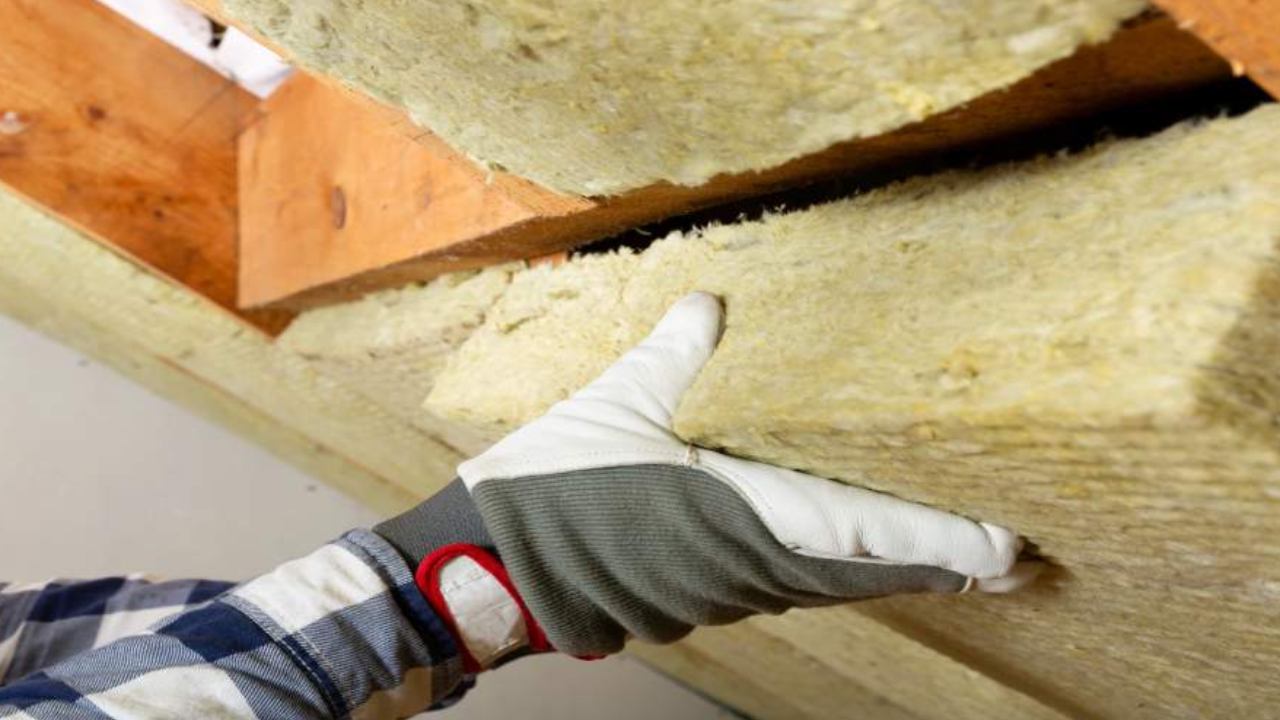
Insulation, blinds and shutters: cut heat gain by up to 5-10°C and cost nothing to run once installed
Portable evaporative coolers: cost £40-£300, draw under 100 W, and suit single rooms
Environmental Impact and F-Gas Rules for UK Air Conditioning
Air conditioning UK units contribute around 3% of global greenhouse gas emissions, mainly through electricity use and refrigerant leaks. Every AC unit dumps heat outside as it cools the room inside, which raises street-level temperatures near the unit by up to 5°C during heatwaves. UK installers must also follow F-Gas regulations, which require certified engineers to handle, install and dispose of refrigerant safely. Choosing a unit with a low Global Warming Potential (GWP) refrigerant, such as R32, cuts the environmental cost of running air conditioning at home. Pairing an AC unit with solar panels or a green energy tariff reduces the carbon impact further, since daytime solar generation often lines up with peak cooling demand.
How Loud Is Air Conditioning in a UK Home?
Fixed split and central air conditioning units run at 19-25 decibels (dB) indoors, quiet enough for a bedroom, while portable units run at 50-60 dB, closer to a running dishwasher. Outdoor condenser units run at 45-60 dB, so position them away from bedroom windows and neighbouring properties to avoid noise complaints. Aircon in a bedroom should always use a unit rated below 25 dB on its lowest setting to avoid disrupting sleep.
Is Air Conditioning Worth It for Your Home?
Air conditioning for homes UK makes sense when most of the following apply to your property:
Your home overheats for 2 or more weeks a year
Your budget covers £850-£4,500 upfront for unit and installation
Your bedroom or home office stays above 25°C at night
Your household includes young children, older relatives or anyone with a respiratory condition
Your property allows outdoor unit installation without planning issues
Compare energy deals with Switch before installing an AC unit, since a cheaper energy tariff cuts your summer running costs even further.
FAQs
Is air conditioning worth it in the UK?
Yes, air conditioning is worth it in the UK for homes that overheat for several weeks a year, especially south-facing flats, lofts and new builds with large windows. For homes that only get uncomfortably warm for a few days a year, fans and passive cooling deliver similar comfort at a fraction of the cost.
How much does air conditioning cost to install in the UK?
Air conditioning installation cost UK figures range from £600 for a portable unit's window vent kit to £6,000 or more for a multi-room split or central system. Installation cost depends on the number of indoor units, pipe runs and any extra electrical work needed.
How much does an air con unit cost to buy?
A portable air conditioner costs £300-£650, a single-split system costs £700-£1,200, and a central or ducted system costs £3,500-£10,000 or more, before installation.
Is air conditioning expensive to run in the UK?
Yes, air conditioning costs £0.20-£1.25 per hour to run, which adds up to £150-£600 a year for a household using it regularly through summer. Modern inverter units with a high SEER rating cost less to run than older fixed-speed models.
Do I need planning permission for air conditioning?
No, most detached and semi-detached homes don't need planning permission for an outdoor condenser unit, since this work falls under Permitted Development rights. Flats, listed buildings and conservation areas often require council approval first.
What's the cheapest way to keep a UK home cool without air con?
Ceiling fans, floor fans and portable evaporative coolers cost under 2p to 100W per hour to run, while insulation, blinds and shutters cool a room by up to 5-10°C with no running cost at all once fitted.
How many BTUs do I need for a bedroom air conditioner?
A standard UK bedroom of 10-15 m² needs a unit rated between 7,000 and 9,000 BTU. Larger bedrooms, home offices with electronics, or rooms with south-facing windows need a higher BTU rating to cool effectively.