
Last updated: Wednesday 21 October 2026 (Europe/London).
Next update: when Ofgem changes its business energy guidance or the courts rule again on deemed contracts.
By: Switch Editorial Team, Switch Squid Ltd
As of 21 October 2026, the landlord usually pays for energy in a void period between tenancies: under the Electricity Act 1989, a supplier with no contract in place is treated as having contracted with the occupier, or the owner if the premises are unoccupied, and the Gas Act 1986 works in a similar way. Standing charges keep running even when nobody uses any energy, so a 30-day void on a meter with a £1 daily standing charge adds £30 before a single light goes on. The catch is that deemed rates, which apply when nobody has agreed a contract, are usually higher than negotiated rates, according to Ofgem. This SwitchSquid guide is for HMO and portfolio landlords, with a void-period checklist, a deemed vs contract comparison and the steps to keep costs down. We may earn a commission if you buy through links on this page; it doesn’t change the price you pay.
Sources: Electricity Act 1989, Schedule 6, Gas Act 1986, Schedule 2B, Ofgem — get a business energy contract, Ofgem — tenants’ energy rights explained and BAILII — SmartestEnergy Business Ltd v Odeon Arcade Ltd [2025] EWHC 2975 (Ch) (all checked on 21 October 2026).
Get business energy quotes for your void and communal supplies
Enter your postcode, current supplier and yearly usage to compare tariffs for each meter
Move void and communal supplies off deemed rates onto an agreed contract
Main limitation: final prices depend on your meter data, usage and credit check, and business contracts have no cooling-off period
Who pays for energy between tenants?
In most void periods, the landlord pays. The law says that where electricity is supplied without a contract, the supplier is deemed to have contracted with the occupier of the premises, “or the owner if the premises are unoccupied”. Once the outgoing tenant has left and closed their account, nobody occupies the property, so the bill falls to you as the owner.
Outgoing tenant: pays for energy used up to the date they leave, provided they give the supplier a final meter reading and their move-out date.
Landlord: pays from the day the property is empty until the next tenant takes over the account, including standing charges.
Incoming tenant: pays from their move-in date, based on the opening meter reading.
The key to avoiding disputes is meter readings. Take a dated photo of every meter on the day one tenant leaves and the day the next one arrives. Our change of tenancy guide covers what to tell the supplier at each stage.
What is a deemed contract, and why does it cost more?
A deemed contract is the arrangement a supplier puts in place automatically when energy is being used and nobody has agreed a contract. Ofgem says you will be put on a deemed contract when you move into new premises without arranging a formal contract, and that deemed rates are usually higher than negotiated contract rates.
For landlords, this tends to happen in three ways. A tenant who held the account leaves and the supply rolls onto a deemed rate in your name. A business contract you held ends and nobody renews it. Or you buy a property and don’t set up a supply on completion.
Business energy has fewer safety nets than household energy. Ofgem notes there is no cooling-off period once you agree a business contract, so read the terms before you sign.
Feature | Deemed rates | Agreed business contract |
|---|---|---|
How it starts | Automatically, when energy is supplied without a contract | You choose a supplier, rates and term |
Unit rates and standing charges | Usually higher, according to Ofgem | Negotiated and fixed for the term, or variable if you choose |
Notice to leave | Usually short, so you can move to a contract | Fixed term; exit fees may apply |
Best use | A stopgap only | Any void that could last more than a few weeks, and communal supplies |
Cooling-off period | Not applicable | None once you agree a business contract |
What a void costs on standing charges alone: as an example, a property with electricity and gas meters charging £1 a day between them would cost £30 over a 30-day void and £90 over a three-month void, before any energy is used for cleaning, decorating or heating. On deemed rates, the daily charges are often higher, so the sooner you agree a contract, the less you pay.
Choose a contract that fits your portfolio
Compare one, two and three-year fixes on total yearly cost, including standing charges
Ask for aligned end dates across several properties
Check tolerance bands, deposits and what happens at the end of the contract
Who pays for energy used to clean or decorate between tenancies?
You do. Cleaners, decorators and tradespeople use the property’s supply, and the bill for that energy falls to the owner while the property is empty. Heating a property to dry paint or stop pipes freezing in winter adds to it.
Keep the work efficient: schedule trades back to back, set the heating on a frost or low setting rather than off in winter, and switch off immersion heaters and appliances you don’t need. Take a meter reading before the work starts and after it finishes, so you can see what the void actually cost.

What happens when two tenancies overlap or there is no gap?
If the new tenant moves in the same day the old one leaves, there is no void, but you still need a clean changeover. Take readings on the changeover day and give them to both tenants and the supplier. If tenants hold their own accounts, Ofgem says that where a tenant is directly responsible for paying the bill, they have the right to choose their own supplier, and the landlord should not prevent this.
If your tenancy agreement names a default supplier, Ofgem says you should make tenants aware of any tie-ins. If the supply stays in your name and you recharge tenants, check our guide to bills-included HMO energy.
HMO voids: what is different?
HMOs rarely sit completely empty, but individual rooms do, and that changes who pays. Communal areas such as hallways, landings, kitchens and fire alarm systems almost always run on a landlord supply, so you pay for those all year round. Our landlord communal electricity guide explains how to set those supplies up.
Where several tenants share one meter, the legal position can be complicated. In SmartestEnergy Business Ltd v Odeon Arcade Ltd [2025] EWHC 2975 (Ch), a supplier argued that units let to several unrelated tenants on one electricity supply counted as “unoccupied”, so the landlord should pay. The High Court rejected that on appeal in November 2025: because the units were occupied, the landlord wasn’t liable under a deemed contract. That case involved commercial units, but it shows why clear agreements on who holds each supply matter.
For HMO landlords, the safest approach is simple: keep communal and bills-included supplies on agreed business contracts, know exactly which meters serve which rooms, and never let a supply drift onto deemed rates during a void. Our HMO landlords page has more.
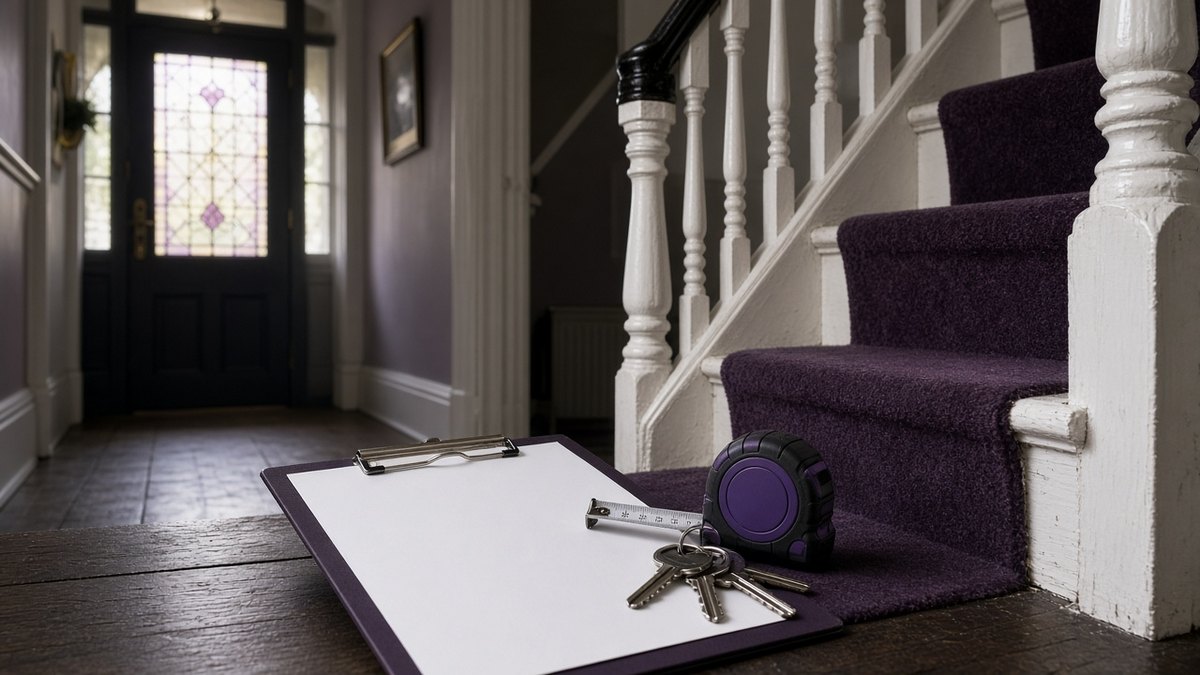
Void-period checklist for HMO and portfolio landlords
Before the tenant leaves: confirm their move-out date and ask them to give the supplier a final reading.
On move-out day: photograph every meter with the date and time, including communal meters.
Same day: tell the supplier the property is empty and that you are responsible from that date.
Within a week: ask for a contract quote so the supply doesn’t sit on deemed rates.
During the void: keep heating on a low setting in cold weather and switch off non-essential appliances.
On move-in day: take opening readings and give the new tenant the supplier’s details.
For portfolios: keep a list of every meter number, supplier and contract end date, so voids don’t catch you out.
If you manage several properties, aligning contract end dates makes renewals simpler. Our guide to business energy for landlords covers portfolio contracts, and you can get a business energy quote with Squid AI. Squid AI, SwitchSquid’s AI deal assistant, can also help you list the meters and dates you need before you ask for quotes.
Fit summary
This guide fits: HMO landlords, portfolio landlords and property managers with regular voids or communal supplies.
Get a business contract if: you hold communal, bills-included or void supplies in your name for more than a few weeks.
You may not need one if: tenants hold their own accounts and voids are rare and short.
Important conditions
Deemed contract rules come from the Electricity Act 1989 and the Gas Act 1986; your exact liability depends on the facts.
Business contracts have no cooling-off period once agreed.
Standing charges apply every day, even when no energy is used.
The £1 a day standing charge figure in this guide is an example only; your supplier sets the real rate.
Prices depend on your meter data, usage and credit check.
Final decision card
Void coming up? Take readings, tell the supplier and get a contract quote within a week.
Running an HMO? Keep communal and bills-included supplies on agreed business contracts.
Managing a portfolio? Align end dates and compare quotes for every meter at once.
Check business energy prices for your HMO or portfolio
Have each MPAN or MPRN, your yearly kWh and contract end date ready
Works for single HMOs and larger portfolios
Ask for quotes as soon as a void starts
FAQ
Who pays the energy bills when a rental property is empty?
Usually the landlord. Under the Electricity Act 1989, a supplier with no contract is treated as having contracted with the occupier, or the owner if the premises are unoccupied. The Gas Act 1986 works in a similar way, so take readings and contact the supplier as soon as the property is empty.
What is a deemed energy contract for landlords?
It is the arrangement a supplier sets up automatically when energy is used without an agreed contract. Ofgem says deemed rates are usually higher than negotiated contract rates. Landlords should treat a deemed contract as a short stopgap and agree a proper contract quickly.
Do I pay standing charges when a property is empty?
Yes. Standing charges apply every day a supply is connected, even if no energy is used. Over a long void, they can add up to a noticeable cost, especially on deemed rates.
Who pays for electricity used by cleaners between tenancies?
The landlord pays, because the property is empty and the supply is in the owner’s name. Take a reading before and after any work so you can see the cost. Scheduling trades close together keeps the bill down.
Can a landlord choose the energy supplier for tenants?
If tenants pay the supplier directly, Ofgem says they have the right to choose their own supplier, and the landlord should not prevent this. A tenancy agreement can name a default supplier, but tenants should be told about any tie-ins. If the landlord pays and recharges, the landlord chooses.
Should HMO landlords use business energy contracts?
Many HMO landlords keep communal and bills-included supplies on business contracts, because they hold those supplies all year. A business contract lets you fix rates and avoid deemed charges during voids. Compare quotes for each meter before your current deal ends.
Last updated: Wednesday 21 October 2026 (Europe/London).
Next update: when Ofgem updates its business energy guidance.
By: Switch Editorial Team, Switch Squid Ltd
Questions about switching? Ask Squid AI
Squid AI explains the price cap, tariffs and switching in plain English, then points you to the comparison.
- Save energy and moneyLearn when a fixed deal beats the price cap.
- Save timeAnswers in seconds, no forms or sign-up.
- Plain answersNo jargon, no sales calls, free to use.