Energy for Retail Shops UK: Compare & Switch Today
Compare 350+ business energy tariffs for UK retail shops: save up to 30% vs out-of-contract rates, no broker fees, free.
Compare Retail Energy Deals
Energy for Retail Shops UK: What Drives Your Bills
Why Energy for Retail Shops UK Needs a Specialist Comparison
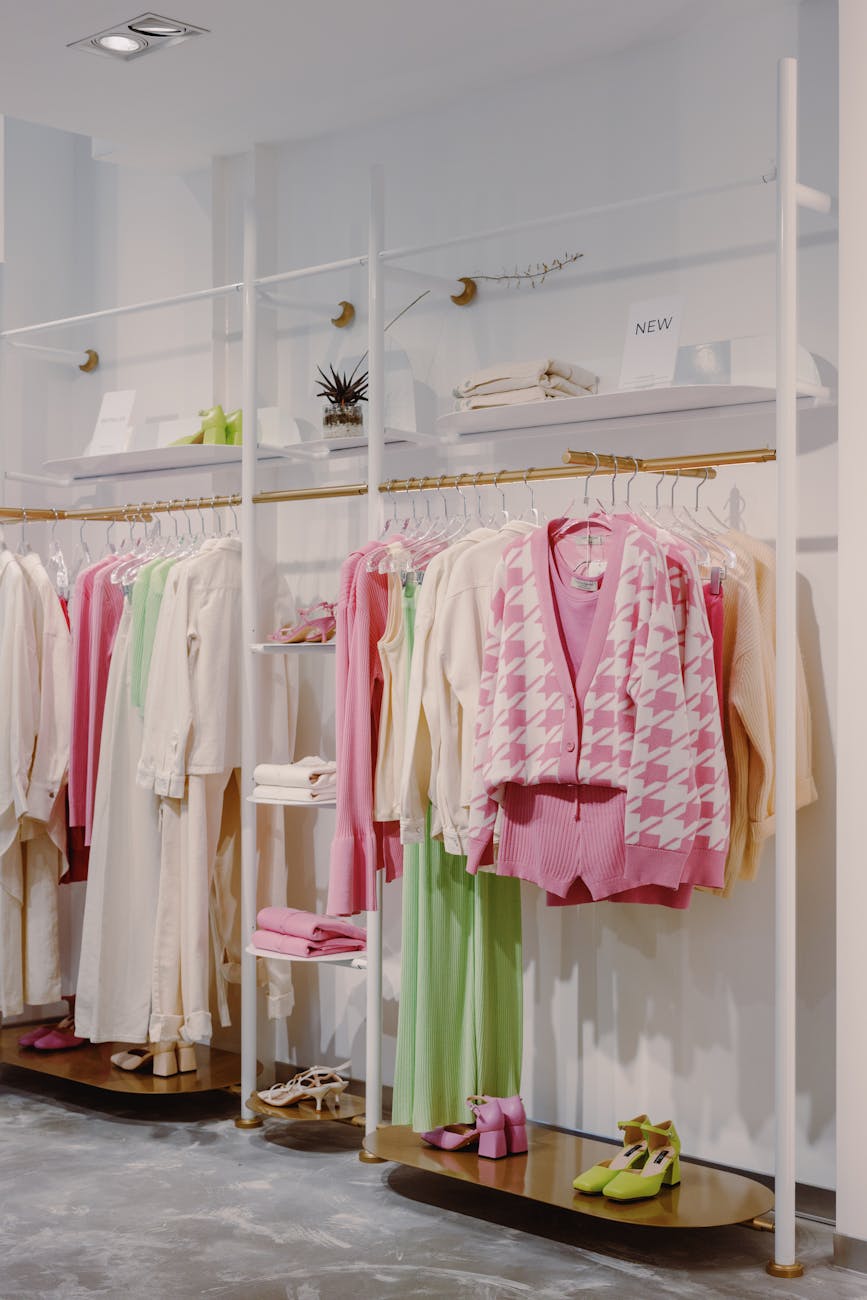
Retail businesses face a unique combination of energy demands. Lighting, refrigeration, climate control, and long trading hours create a profile that generic tariffs often price poorly. No Ofgem price cap: without regular comparison, shops stay on rates 25–40% above market.
Lighting: 40–60% of electricity
Display, ambient, and spot lighting runs all day. The single biggest energy cost for most clothing, homeware, electronics, and general merchandise shops.
Refrigeration runs 24/7
Food, drink, pharmacy, and cosmetics retailers need continuous cooling, including overnight and on closed days. Adds £35–£55/month in baseline load.
HVAC: heating and cooling
Maintaining customer comfort requires heating in winter, cooling in summer. Constant draw sensitive to building insulation quality.
EPOS, security & digital signage
Payment terminals, CCTV, alarms, display screens, and Wi-Fi all add to overnight standby load that many retailers significantly underestimate.
Seasonal trading peaks
Christmas, summer sales, and extended Bank Holiday hours spike consumption in ways standard profiles don't anticipate, some tariffs penalise for this.
How Much Does Energy for Retail Shops UK Cost?
Estimates based on UK commercial energy rates Q2 2026 (electricity: 23–25p/kWh; gas: 5.5–6p/kWh). Actual bills depend on regional rates, contract type, VAT, and CCL.
← Swipe to see all columns →
Compare Energy for Your Retail Shop in 3 Steps
Free, under 5 minutes, covers every major UK supplier. No obligation to switch.
Enter Your Details
Business postcode, current supplier, and annual kWh. All on any recent bill. No bill? Switch estimates from your shop size, sector, and trading hours.
Compare Live Retail Energy Tariffs
350+ tariffs ranked by total annual cost. Full unit rate, standing charge, contract length, exit fee, and payment method shown. Filter by fixed, variable, green, or exit fee.
Switch with Zero Disruption
Choose your tariff and Switch handles the entire transfer. Supply never interrupted, only the billing company changes. Savings begin from day one.
Which Tariff Is Right for Your Retail Shop?
Business energy tariffs for retail come in three main types. Most retailers pay 20% VAT + CCL. Under 33 kWh electricity and 145 kWh gas per day? You qualify for the reduced 5% VAT rate.
← Swipe to see all columns →
Energy Saving Tips for UK Retail Shops
Switching to a cheaper tariff delivers the fastest saving. Combine with operational changes for the greatest long-term reduction.
LED Lighting Upgrade
Replace halogen/fluorescent with LED, reduces lighting energy 50–70%. For a shop spending £300/month on electricity, save £60–£120/month.
Occupancy Sensors and Timers
Fit motion sensors in stockrooms, changing rooms, and corridors. Back-of-house lighting can account for 15–20% of total electricity.
Refrigeration Maintenance
Clean condenser coils quarterly and replace worn door seals. Poorly maintained refrigeration uses up to 25% more electricity.
Overnight Equipment Shutdown
EPOS, display screens, and office computers on standby add £30–£80/month. A shutdown policy removes this with zero capital outlay.
Smart Meter Installation
Removes estimated billing. Gives real-time consumption data. Ask your new supplier to install one free when you switch.
Solar PV for Owned Premises
South-facing retail premises can generate 30–50% of daytime electricity from solar. Commercial installations achieve ROI within 6–10 years.

Switch and Save on Your Retail Energy Bills
Frequently Asked Questions: Retail Shop Energy UK
How do I compare energy for retail shops UK?
Use Switch's free comparison. Enter your postcode, current supplier, and annual usage. 350+ tariffs ranked by total annual cost in under 5 minutes. No broker fee, no obligation.
When should I start comparing retail energy deals?
Will my shop's supply be interrupted when switching?
Do retail businesses pay more VAT on energy than domestic?
Can I compare energy for a multi-site retail business?
Is there a price cap on business energy for retailers?
Compare Energy for Your Retail Shop: Free, Under 5 Minutes
Switch compares 350+ business energy tariffs from every major UK supplier. Free, impartial, no obligation. Expert support at 01926 942125.
Latest from our experts
Best Price Business Electricity Suppliers UK 2026
Best price business electricity suppliers 2026: 10 suppliers ranked by yearly cost at three usage levels. EDF wins for small users, SSE for big sites.

Business Electricity Tariffs Explained: 9 Types (2026)
Business electricity tariffs explained, 2026: fixed, variable, deemed, rollover and more in one table, with a 28.4p average micro fix, HMO and care home costs.
Care Home Energy Saving 2026: Quick Wins and 0% VAT
Care home energy saving 2026: a quick-wins checklist, 0% VAT on qualifying electricity until mid-2027, Climate Change Levy rules and contract renewal tips.

Micro Business Electricity Prices 2026: 28.4p per kWh
Micro business electricity prices for 2026: 28.4p per kWh and 58p a day on average, the Ofgem micro-business test, and worked costs for an HMO and a care home.

Care Home Electricity Prices 2026: 26.1p per kWh
Care home electricity prices 2026: 26.1p to 27.87p per kWh on average, about £1,738 a bed a year in our 40-bed example, and how VAT and the levy apply to homes.

Business Energy Renewal Checklist: Winter 2026
Business energy renewal checklist for winter 2026: dates, meters, 0% VAT on qualifying electricity to mid-2027, the 0.801p levy and how to compare quotes.

Care Home Gas Contracts UK 2026: 4.86p per kWh Average
Care home gas contracts 2026: a 4.86p per kWh government average, 5% VAT and no levy on qualifying use, about £3,700 a year at stake and the best time to renew.
HMO Electricity VAT 0% 2026: Landlord Guide to Mid-2027
HMO electricity VAT for landlords: the 0% rate from autumn 2026 to mid-2027, bills-included and recharged HMOs, a declaration checklist and a worked example.