Last updated: 26 October 2026
What should a care home pay for gas? As of 26 October 2026, the latest government figures show businesses in the “small” gas band (278,000kWh to 2.8 million kWh a year), where most care homes sit, paid an average of 4.86p per kWh including the Climate Change Levy, before VAT, for April to June 2026, so a home using 300,000kWh a year would pay about £14,580. Gas used for residents should carry 5% VAT rather than 20%, with no levy on the qualifying share, which brings that home to about £13,780 including VAT. Billed as an ordinary business, it would pay about £17,496, roughly £3,700 more. Smaller homes under 278,000kWh paid almost twice as much per kWh, at 9.31p. Business gas prices are set by the contract you agree, and January forecasts point to higher wholesale prices, so the timing and terms of your next contract matter. This SwitchSquid guide explains care home gas contract types, the right VAT and levy set-up and when to renew. We may be paid if you use our business energy form; it doesn’t change the price you pay.
Sources: DESNZ — gas and electricity prices in the non-domestic sector (tables 3.4.1 and 3.4.2), HMRC — VAT on fuel and power (Notice 701/19), GOV.UK — Climate Change Levy rates and Cornwall Insight, 30 September 2026, all checked on 26 October 2026.
Compare business energy quotes for your care home
- Tell us your postcode, current supplier, contract end date and yearly kWh for each meter
- Free, no code needed; for care homes, nursing homes, hospices and care groups
- Main limitation: business gas contracts have no cooling-off period, and final prices depend on your meter data and a credit check
Why gas is the biggest energy decision for most care homes
In a typical gas-heated care home, gas makes up most of the kWh used in a year. It heats bedrooms and lounges to the 22°C or more that older residents need, day and night, and it usually heats the water for assisted baths, wet rooms, the kitchen and the laundry. A medium home with 20 to 60 residents can easily use 200,000kWh to 360,000kWh of gas a year, several times its electricity use.
That makes the gas contract one of the largest controllable costs in the home. A 1p per kWh difference on 300,000kWh is £3,000 a year. A contract that rolls onto out-of-contract rates, or a bill that charges 20% VAT and the full levy, can cost far more than that.
What care homes pay for gas: government averages (April to June 2026)
The Department for Energy Security and Net Zero (DESNZ) surveys suppliers every quarter and publishes the average price businesses actually paid, grouped by yearly gas use. The latest release, published on 29 September 2026, covers April to June 2026. The averages include standing charges and network costs but not VAT.
Gas band (yearly use) | Typical care setting | Average price incl. levy | Average price excl. levy | Example yearly use | Example cost before VAT | VAT for qualifying use | Next step |
|---|---|---|---|---|---|---|---|
Very small (under 278,000kWh) | Small residential homes, supported living | 9.31p per kWh | 8.80p per kWh | 150,000kWh | About £13,965 | 5% | Compare quotes; per-kWh prices vary most here |
Small (278,000kWh to 2.8m kWh) | Most residential and nursing homes | 4.86p per kWh | 4.37p per kWh | 300,000kWh | About £14,580 | 5% | Check your p/kWh against 4.86p |
Medium (2.8m kWh to 27.8m kWh) | Large homes and care groups buying together | 4.20p per kWh | 3.86p per kWh | 3,000,000kWh | About £126,000 | 5% on the qualifying share | Ask about group or flexible contracts |
Example costs use the price including the levy, before VAT, so they show what an ordinary business would pay before tax relief. The usage figures are our own examples; use the yearly kWh on your bills.
What the numbers say: the jump between bands is large. A small home using 150,000kWh paid an average of 9.31p per kWh, almost twice the 4.86p paid in the next band up, so its gas bill can be similar to a home using twice as much. Smaller homes have the most to gain from comparing quotes. For the small band, prices have been fairly flat over the past year: 5.11p in July to September 2025, 4.89p in October to December, 4.76p in January to March 2026 and 4.86p in April to June.
Get quotes with VAT and the levy set up correctly
- Tell us the qualifying residential percentage for each supply when you ask for quotes
- Qualifying electricity at 0% VAT until 31 March 2027 in Great Britain; gas at 5%
- Free, no code needed; one form covers every home in a group
VAT and the Climate Change Levy on care home gas
HMRC treats gas used in a care home for the elderly or disabled, a children’s home or a hospice as supplied for qualifying residential use. That gas is charged VAT at the reduced rate of 5% instead of the standard 20%. If at least 60% of a supply is for qualifying use, HMRC lets the whole supply be treated as qualifying for VAT; below that, it is split. Note that the temporary 0% VAT rate from 1 October 2026 to 31 March 2027 applies to qualifying electricity only, not gas.
The Climate Change Levy on business gas has been 0.801p per kWh since 1 April 2026, rising to 0.827p from 1 April 2027. It is not charged on the share used for qualifying residential purposes, as long as your supplier holds the right certificate. On 300,000kWh, the levy alone is about £2,400 a year. Most care homes can’t reclaim VAT, because care services are exempt, so wrong VAT is a real cost.

Our example: a 40-bed home using 300,000kWh of gas
Set up correctly (no levy on qualifying use, 5% VAT): 300,000kWh at 4.3746p (the unrounded DESNZ average) is about £13,124, plus 5% VAT, about £13,780 a year.
Billed as an ordinary business (levy plus 20% VAT): 300,000kWh at 4.86p is about £14,580, plus 20% VAT, about £17,496 a year.
Difference: about £3,716 a year, or roughly £93 per bed.
Your supplier needs a VAT declaration showing the qualifying percentage and, for the levy, the right supplier certificate. Our care home energy VAT guide explains the forms and how to claim back overpayments for past bills.
Fixed, flexible or pass-through: which gas contract suits a care home?
Fully fixed: one unit rate and standing charge for the whole term, usually one to three years. This is the simplest choice for most single homes, because it makes budgeting and fee-setting easier.
Fixed with pass-through: the energy price is fixed but some network or policy costs are passed through at cost and can change. Read which lines can move.
Flexible purchasing: you, or a supplier on your behalf, buy gas in blocks over time. It suits care groups with large volumes and someone to manage the risk, not most single homes.
Out-of-contract or deemed rates: what you pay if your contract ends and you don’t agree a new one. These are usually much higher than fixed rates. Our deemed rates guide explains how to get off them.
When should a care home renew its gas contract?
Start 6 to 12 months before your contract ends. Business gas contracts have no cooling-off period and many have a notice window, so leaving it late can mean rolling over or paying deemed rates. Suppliers can usually quote well ahead of your end date, and some let you lock in a new rate to start when the old one finishes.
Timing matters this winter. Cornwall Insight said on 30 September 2026 that EU gas storage was at its lowest September level in 15 years and that Middle East disruption was pushing wholesale prices up. Those same wholesale gas prices drive the quotes suppliers give care homes. If your contract ends in the next year, get quotes now so you can compare a fix today with waiting. Our care home energy contract renewal checklist lists what to have ready.
Ways to cut care home gas use without affecting residents
Zone the heating. Bedrooms, lounges, offices and corridors have different needs; thermostatic radiator valves and zone controls stop overheating empty spaces.
Service and tune the boilers. An annual service and correct flow temperatures can make a noticeable difference to efficiency.
Insulate hot water pipework and cylinders, especially long circulation loops that run all day.
Review laundry timings and dryer type. Gas-heated dryers and hot washes are a large load; full loads and right-sized programmes help.
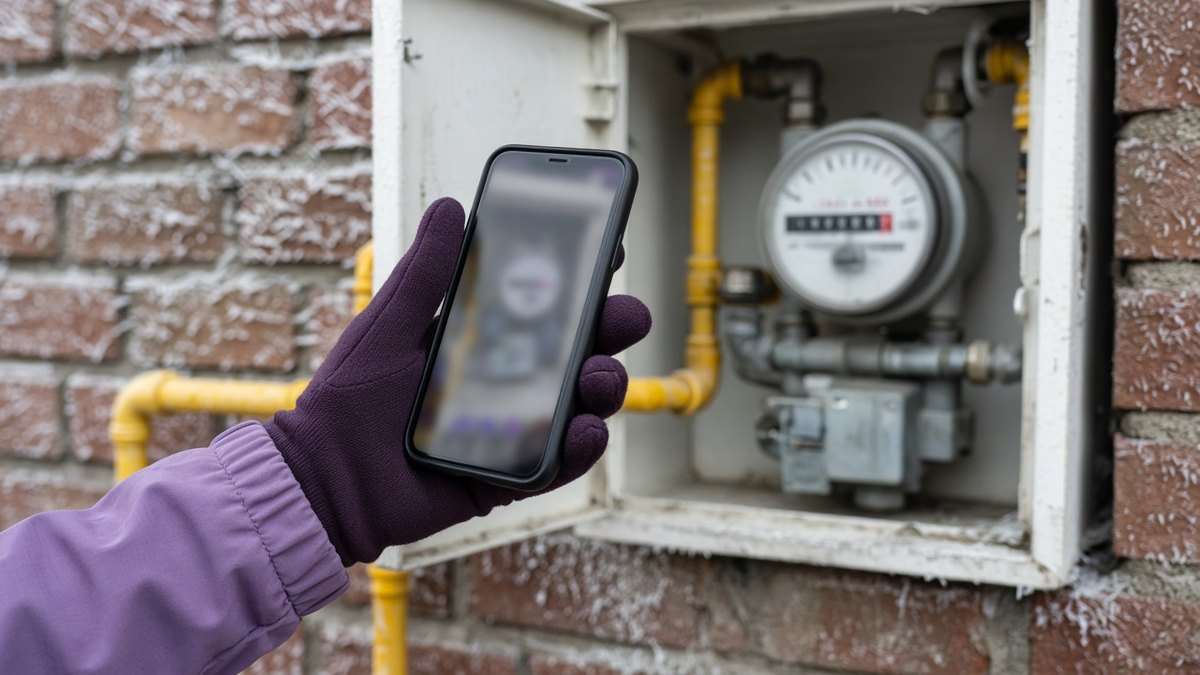
Check your meter readings monthly. Estimated bills hide changes in use and can lead to large catch-up bills.
For electricity, our care home and HMO electricity rates guide covers the same steps, and our business electricity prices per kWh guide has every band.
What to have ready when you ask for gas quotes
Your MPRN (gas meter point reference) and the meter serial number for each meter.
Your latest bill and 12 months of usage in kWh.
Your current supplier, contract end date and any notice period.
The qualifying residential percentage for each supply, for VAT and the levy.
Your company or charity details, because suppliers run a credit check.
Our nursing home energy suppliers guide covers which suppliers quote for care settings, and the care homes sector page has more help.
Fit summary
Most single care homes: a fully fixed gas contract of one to three years, with 5% VAT and the levy relief set up from day one.
Small homes under 278,000kWh: compare quotes carefully, because average prices in this band are almost double the next band.
Care groups: ask about group contracts or flexible purchasing across several homes.
Contract ending within 12 months: get quotes now and avoid out-of-contract rates.
Want help reading a gas bill? Squid AI, SwitchSquid’s AI assistant, can explain each line on a business energy bill and what to check.
Important conditions
Prices are DESNZ provisional averages for April to June 2026 (tables 3.4.1 and 3.4.2, published 29 September 2026), checked on 26 October 2026. They are benchmarks, not quotes.
Business gas contracts have no cooling-off period. Final prices depend on your meter data, region, contract length and a credit check.
Gas for qualifying residential use is charged VAT at 5%; the temporary 0% rate applies only to qualifying electricity, from 1 October 2026 to 31 March 2027 in Great Britain.
VAT and levy relief only apply when your supplier holds the right declaration and certificate. This is general information, so confirm your position with your accountant.
Our usage figures are illustrative examples; your home’s usage will differ.
FAQ
How much do care homes pay for gas per kWh?
Businesses in the “small” gas band, where most care homes sit, paid an average of 4.86p per kWh including the levy and before VAT in April to June 2026. Homes using under 278,000kWh a year paid an average of 9.31p.
Do care homes pay 20% VAT on gas?
They shouldn’t on gas used for residents. Gas for qualifying residential use in a care home is charged VAT at 5%, but your supplier needs a VAT declaration from you, or it may charge 20%.
Is care home gas zero-rated for VAT this winter?
No. The temporary 0% VAT rate from 1 October 2026 to 31 March 2027 covers qualifying electricity only. Gas for qualifying use stays at 5%.
Do care homes pay the Climate Change Levy on gas?
Not on the share used for qualifying residential purposes, as long as your supplier holds the right certificate. The levy on business gas is 0.801p per kWh from 1 April 2026.
Is a care home’s gas price fixed for the whole contract?
On a fixed contract, yes: the unit rate and standing charge stay the same for the term you agree. On a flexible contract, some or all of the cost can move with wholesale prices. Check which parts are fixed before you sign.
How long should a care home gas contract be?
Most single homes choose one to three years on a fixed price for budgeting certainty. Compare the yearly cost of each term at your own usage before you decide.
Final decision card
Most care homes sit in the small gas band, where the latest government average, for April to June 2026, was 4.86p per kWh including the levy. Make sure your bills show 5% VAT and no levy on the qualifying share, which saves about £3,700 a year on 300,000kWh, and get quotes 6 to 12 months before your contract ends, especially with wholesale prices rising into winter.
Contract ending in the next 12 months? Get care home quotes early
- Out-of-contract and deemed rates are usually higher than a fixed deal
- Have your MPANs, MPRNs, latest bills and contract end dates ready
- Free, no code needed; general information only, so confirm VAT with your accountant
Questions about business energy? Ask Squid AI
Squid AI explains business energy contracts, renewal dates and switching in plain English, then points you to our business energy quote form.
- Save energy and moneyLearn when a longer fixed business contract makes sense.
- Save timeAnswers in seconds, no forms or sign-up.
- Plain answersNo jargon, no sales calls, free to use.