Last updated: Thursday 29 October 2026
By: Switch Editorial Team, Switch Squid Ltd
As of 13 October 2026, dual-fuel energy deals in the UK are judged against an Ofgem price cap of £1,723 a year for a typical household that takes both gas and electricity from one supplier and pays by Direct Debit. Dual fuel simply means one company supplies both fuels on one relationship — often one Direct Debit and one customer account — which can be simpler than splitting suppliers. Whether it is cheaper than buying gas and electricity separately still depends on your postcode and usage. SwitchSquid walks through the October 2026 numbers and how to compare; we may earn a commission if you use our links.
Sources: Ofgem — price cap unit rates and standing charges, Ofgem October 2026 cap announcement and MoneySuperMarket — dual fuel and energy comparison.
Compare home energy deals for your postcode (MoneySuperMarket)
- Compare gas and electricity tariffs by estimated yearly cost, standing charges included
- Enter your postcode and yearly kWh for quotes
- For homes only, not business energy
Rates and the £1,723 dual-fuel average are as of 13 October 2026.
What dual fuel means under the October 2026 price cap
Dual fuel is a sales and account structure, not a special legal tariff class. You still pay unit rates and standing charges for electricity and for gas. The £1,723 Direct Debit figure Ofgem publishes for 1 October to 31 December 2026 is the average for a typical dual-fuel household on a default tariff. Premises that are electricity-only, or that take gas and electricity from different suppliers, need separate maths.
Ofgem’s average Direct Debit rates for this period are 26.32p/kWh electricity (54.83p daily standing charge) and 7.97p/kWh gas (29.68p daily standing charge). MoneySuperMarket’s energy page repeats the £1,723 cap and those unit rates, and notes that fixed dual-fuel deals can still beat the cap for some customers.
Dual fuel versus split suppliers — cost checklist
Question | Dual fuel (one supplier) | Split suppliers |
|---|---|---|
Billing | Usually one account and one Direct Debit | Two bills and two Direct Debits |
Price | Can be cheaper as a bundle — not always | Sometimes cheaper if one fuel has a strong single-fuel tariff |
Switching | One switch for both fuels | Two switches; timings can differ |
Cap protection on a standard variable tariff | Both fuels under the relevant payment-method cap | Each fuel under its own rates |
Best when | You want simplicity and a strong dual-fuel fix | One fuel has a clear single-fuel bargain |
MoneySuperMarket explicitly suggests checking both dual-fuel and separate tariffs, because the combined price of separate deals can sometimes beat a dual-fuel offer. Our older September dual-fuel guide is superseded for seasonal figures by this October update; for single-fuel hunting see cheapest gas-only deals and cheapest electricity-only deals.
Compare fixed energy deals (MoneySuperMarket)
- A fix locks your unit rates and standing charges for the term
- Check exit fees before you choose
- Compare the yearly total against the price cap figures in this guide
How the £1,723 dual-fuel average is built
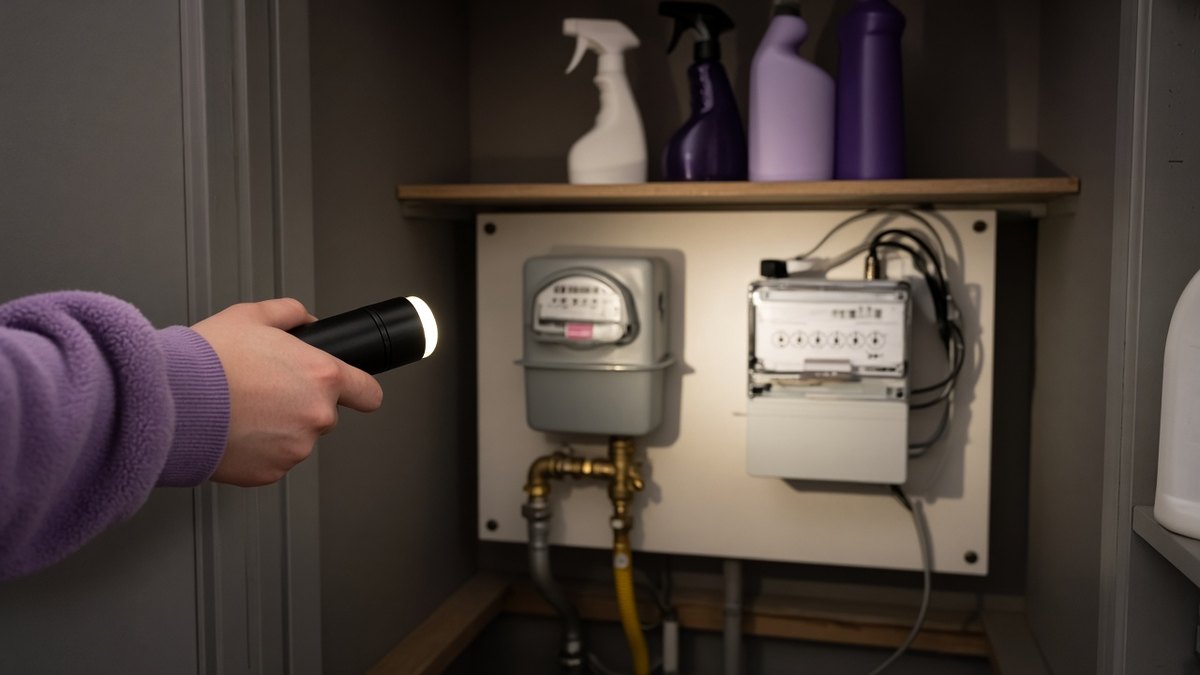
The headline uses Ofgem’s medium Typical Domestic Consumption Values: 2,500kWh of electricity and 9,500kWh of gas a year. Multiply your own kWh by the unit rates on a quote, add 365 days of standing charges for each fuel, and you get a fairer personal total than any national average. A small flat with low gas use will look nothing like a large detached house with a gas boiler running hard through winter.
Payment method changes the capped average. Ofgem’s October–December 2026 summary puts typical Direct Debit dual fuel at £1,723, standard credit at £1,861, and prepayment at £1,678. If you are on prepayment, dual-fuel comparison still works, but top-up mechanics and debt rules differ — see switching with a prepayment meter.
Fixed dual-fuel deals: what to check before you lock in
Total estimated cost for your kWh, not only “£X below the cap” marketing lines.
Contract length — 12 versus 24 months changes how many future cap resets you skip.
Exit fees per fuel — MoneySuperMarket notes exit fees are charged per fuel, and that fees do not apply in the final 49 days of a fix.
Paperless / Direct Debit assumptions — some deals assume online billing; paper bills can cost more.
Green claims — renewable matching is separate from price; decide if you want it and what premium it carries.
British Gas and other large suppliers also run products such as Fix & Fall-style tariffs that interact with the cap differently; our separate guide to British Gas Fix & Fall October 2026 covers that product family. For a broader cheapest-deals overview under this quarter’s cap, use cheapest energy deals UK October 2026.

How a dual-fuel switch works in practice
Once you accept a dual-fuel deal, the new supplier contacts your old supplier, agrees a switch date, and asks for meter readings. MoneySuperMarket describes the process as background admin with no interruption to supply, completion within five working days, a 14-day cooling-off period, and £40 compensation if the five-working-day standard is missed. Take dated photos of both meters on switch day so the final bill from your old supplier is easier to check.
If you rent and pay the supplier yourself, you can usually switch both fuels. If the landlord’s name is on the account, you need their involvement. Our energy guides cover the basics; the three links in this article open MoneySuperMarket’s residential comparison so dual-fuel and single-fuel quotes appear for your postcode.
Worked example: reading a dual-fuel quote against the cap
Suppose your bill shows 2,400kWh of electricity and 10,200kWh of gas last year, and you pay by Direct Debit. Using Ofgem’s October–December 2026 Direct Debit averages purely as a yardstick — 26.32p/kWh and 54.83p/day for electricity, 7.97p/kWh and 29.68p/day for gas — a rough annual cost lands near:
Electricity units: 2,400 × £0.2632 ≈ £632
Electricity standing charge: 365 × £0.5483 ≈ £200
Gas units: 10,200 × £0.0797 ≈ £813
Gas standing charge: 365 × £0.2968 ≈ £108
That illustrative total is about £1,753 — already above the £1,723 “typical” line because your gas use is above the 9,500kWh medium typical usage figure. A dual-fuel fix that quotes £1,650 for your usage is the number that matters, not whether marketing copy says “below the cap”. Always insist the comparison engine uses your kWh, not a national average alone.
If a split-supplier pair comes back at £1,620 for the same kWh with similar exit terms, the dual-fuel badge is not worth an extra £30 a year to most people. Convenience has a value, but it should be a conscious choice.
Common dual-fuel mistakes in price-cap season
Comparing a dual-fuel fix to last winter’s bill without weather adjustment. Mild autumns and cold snaps swing gas use more than electricity for most gas-heated homes.
Ignoring standing charges when a “cheap” unit rate appears. High standing charges erase unit-rate wins for low users.
Forgetting VAT context. Electricity has no VAT from 1 October 2026 to 30 June 2027, while gas still carries 5% VAT in Ofgem’s published averages — older charts that assumed 5% on both fuels will look inconsistent.
Switching mid-fix without checking the final 49 days. Exit fees can wipe a paper saving.
Assuming every supplier is on the comparison site. Some brands stay off aggregators; the quote list is wide, not infinite.
Fit summary
Good for dual fuel: households that want one supplier, one Direct Debit, and a clear dual-fuel fix below their expected cost on a standard variable tariff.
Consider split suppliers: when gas-only or electricity-only tariffs beat the dual-fuel basket on a like-for-like quote.
Stay put for now: mid-fix customers with high exit fees and little of the term left to amortise the fee.
Important conditions
As of 13 October 2026; next Ofgem cap period may change the averages.
Dual fuel does not guarantee the lowest price; always compare both structures.
VAT treatment on electricity (0% until 30 June 2027, GOV.UK says) affects how you read older pence-per-kWh tables.
Comparison partners do not list every supplier; results are not the entire market.
Our verdict
Want one bill? Start with dual-fuel quotes against the £1,723 average.
Chasing every pound? Also run gas-only and electricity-only quotes.
On a fix? Check exit fees and the final-49-days rule before you move.
Check dual-fuel deals for your address (MoneySuperMarket)
- Gas and electricity from one supplier, with both standing charges in the total
- Have your yearly kWh for each fuel ready
- Suppliers should switch you within five working days, and your supply is not interrupted
FAQ
What is a dual-fuel energy deal?
It is when the same supplier provides both your gas and your electricity. You usually get one account and one Direct Debit, but you still pay separate unit rates and standing charges for each fuel.
Is dual fuel cheaper than separate suppliers in October 2026?
Not always. MoneySuperMarket advises comparing both, because separate tariffs can sometimes cost less in total than a dual-fuel bundle for the same usage.
What is the dual-fuel price cap in October 2026?
Ofgem’s typical Direct Debit dual-fuel level is £1,723 a year from 1 October to 31 December 2026 for medium consumption (about 2,500kWh electricity and 9,500kWh gas). That figure is an average for a typical dual-fuel Direct Debit home from 1 October to 31 December 2026, so your bill still depends on your usage and region.
Do I need a smart meter for a dual-fuel deal?
No. Many dual-fuel tariffs work on traditional meters. Smart meters can make readings easier but are not required to switch.
Can I switch only one fuel if I am on dual fuel?
Yes. You can move electricity, gas, or both. Just be clear in the comparison which fuels you are changing.
How long does a dual-fuel switch take?
Ofgem expects switches within five working days. You keep supply throughout, and you have 14 days to cancel after you agree.
Are exit fees charged on both fuels?
Exit fees are typically charged per fuel on fixed deals. MoneySuperMarket notes you should not face exit fees in the final 49 days of a fix.
Where can I compare dual-fuel deals?
Use a comparison that asks for your postcode and yearly usage. The links above open MoneySuperMarket’s residential gas and electricity comparison.
Questions about switching? Ask Squid AI
Squid AI explains the price cap, tariffs and switching in plain English, then points you to the comparison.
- Save energy and moneyLearn when a fixed deal beats the price cap.
- Save timeAnswers in seconds, no forms or sign-up.
- Plain answersNo jargon, no pressure, free to use.