Last updated: Tuesday 13 October 2026
By: Switch Editorial Team, Switch Squid Ltd
As of 13 October 2026, you can switch energy supplier with a prepayment meter if you owe up to £500 for gas and up to £500 for electricity, according to Ofgem, and the typical prepayment dual-fuel price cap sits at £1,678 a year for medium use from 1 October to 31 December 2026. That is separate from the £1,723 Direct Debit average many headlines quote. Switching does not cut off your supply, and your new supplier can take on eligible debt so you repay it through the new account. SwitchSquid sets out the October 2026 rules in plain English; we may earn a commission if you compare residential deals through our links.
Sources: Ofgem — switch your home energy supplier, Ofgem — get help with your prepayment meter, Citizens Advice — switching if you owe money and MoneySuperMarket — energy comparison.
Compare prepayment energy deals for your meter (MoneySuperMarket)
- Ofgem’s typical prepayment dual-fuel level is £1,678 a year from 1 October to 31 December 2026
- You can usually switch with up to £500 owed for gas and up to £500 for electricity
- Main limitation: not every tariff is offered on prepayment meters, and debt above £500 on either fuel blocks a switch
The short answer: can you switch on a prepayment meter?
Yes, in most cases — as long as any debt sits within Ofgem’s prepayment limits. Ofgem says you can switch if you have a prepayment meter and you owe your supplier up to £500. Citizens Advice and Ofgem both treat that as up to £500 for gas and up to £500 for electricity, not £500 in total. If either fuel is above £500, reduce that balance first. Our wider guide on switching if you owe money covers credit-meter 28-day rules as well.
If you are not in debt, you can switch like any other customer who pays the supplier directly. Tenants whose landlord pays the bill, or homes on a heat network, cannot choose their own supplier.
Prepayment versus Direct Debit under the October 2026 cap
Item | Prepayment (typical) | Direct Debit (typical) |
|---|---|---|
Ofgem dual-fuel cap level Oct–Dec 2026 | £1,678 a year | £1,723 a year |
How you pay | Top up in advance (key, top-up token, barcode, app) | Automatic monthly payments |
Switching with debt | Allowed up to £500 per fuel | Allowed if debt is under 28 days; else pay first |
When credit runs out | Supply stops until you top up | You receive a bill; supply continues |
Help if you cannot pay | Supplier must offer support (e.g. emergency credit) | Supplier must discuss payment plans |
The £1,678 and £1,723 figures come from Ofgem’s summary of changes for 1 October to 31 December 2026 at medium Typical Domestic Consumption Values. Your bill will differ with usage and region. For a broader cheapest-deals view, see cheapest energy deals UK October 2026.
Check the £500-per-fuel rule, then compare fixed deals
- Ask the new supplier to take on eligible debt so you repay it to them
- Not every fixed tariff is open to prepayment meters, so set your meter type in the comparison
- Credit-meter 28-day rules are different, so do not mix them up
How debt moves when you switch on prepayment
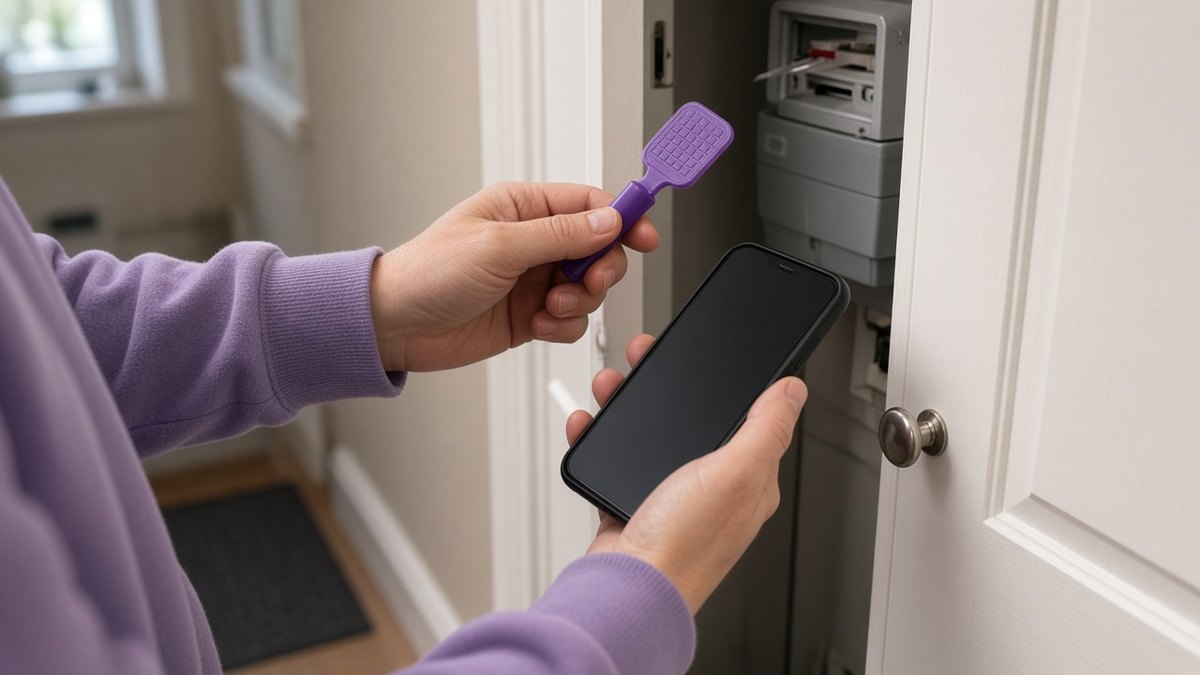
Switching does not wipe what you owe. Citizens Advice explains that if you owe less than £500 on a prepayment meter, you ask the new supplier to agree to take the debt on, and you then repay it to them. The debt travels with the supply. Keep a written note of the balances for each fuel on the day you apply, and photograph any key or top-up token balances if your meter shows them.
If you owe more than £500 on gas or on electricity, you cannot switch until that fuel’s debt is below the limit. Speak to your current supplier about a repayment plan. Ofgem’s prepayment help page says suppliers must offer help if you cannot afford to top up — for example extra credit in a vulnerable situation — and must agree an affordable plan for any credit you later repay.
Smart prepayment versus traditional keys and top-up tokens
Smart prepayment meters often let you top up in an app or online as well as in a shop. Traditional meters need a key, top-up token or barcode at a PayPoint store or Post Office. Neither type blocks you from switching by itself. What matters is that you are the account holder paying the supplier, and that any debt is within the rules.
If you cannot reach your meter, Ofgem says you can ask your supplier to move it (they may charge), and it is illegal to move it yourself. If it cannot be moved, they must replace it with a different type. Our primers on what a prepayment meter is and prepay versus Direct Debit cover day-to-day use.
Step-by-step: switching while on prepayment in October 2026
Check your debt on each fuel. Confirm both are at or under £500, or clear the excess first.
Gather your usage. Yearly kWh from a statement, or a few months of top-ups as a rough guide.
Compare tariffs that accept prepayment. Not every fixed deal is open to PPM customers; the comparison will filter what is available for your meter type.
Tell the new supplier about any debt so they can agree to take it on before you complete.
Take meter readings / balance photos on switch day for both fuels.
Keep topping up until the switch completes so you are not left without credit mid-process.
MoneySuperMarket notes that switches should complete within five working days, supply continues, and you have 14 days to cancel. Soft browsing of our energy hub is fine for context; the links in this guide open MoneySuperMarket’s residential comparison.

Unit rates and standing charges still apply on PPM
Prepayment customers are covered by the price cap’s prepayment level, but you still pay unit rates and standing charges. Standing charges continue even on days you use little energy, which is why empty periods still drain credit. When you compare, look at both the top-up experience and the total estimated annual cost for your kWh — not only whether a deal is “on prepay”.
Regional differences remain. Electricity standing charges in particular vary by distribution area. Pair this guide with price cap by region October 2026 if your quote looks oddly high or low versus a national average.
Credit meters versus prepayment: do not mix up the debt rules
People sometimes hear “you can switch if you owe money” and assume the 28-day credit-meter rule applies to keys and top-up tokens. It does not. On a credit meter, Ofgem’s switch page focuses on debt younger than 28 days. On a prepayment meter, the published limit is the £500-per-fuel cap. Mixing those rules up leads to rejected switches or unnecessary delays. If you recently moved from prepayment to credit (or the reverse), confirm which meter type your account is on before you apply.
For October 2026 shopping, also remember that the Direct Debit headline of £1,723 is not your yardstick on PPM — use the £1,678 typical prepayment level from Ofgem’s quarterly summary as the national reference point, then replace it with a personal quote.
Fit summary
Good to switch now: PPM customers within the £500-per-fuel debt limit who can see a cheaper available tariff for their meter type.
Sort debt first: anyone over £500 on gas or electricity.
Ask for help first: anyone who cannot afford to top up — contact your supplier before you compare.
Consider moving to Direct Debit later: if your supplier agrees and it suits your budgeting; that is a separate meter-mode change, not automatic with a switch.
Important conditions
Rules as of 13 October 2026 on Ofgem and Citizens Advice pages; Citizens Advice’s debt page is written for England, with separate advice for Scotland, Wales and Northern Ireland.
The £500 limit is per fuel.
Not every tariff is offered on prepayment meters.
Heat networks and landlord-paid supplies cannot be switched by the resident.
We may earn a commission from residential comparison links.
Our verdict
Debt under £500 per fuel? Compare prepayment-friendly deals against the £1,678 typical PPM level.
Debt over the limit? Agree a plan and reduce the balance before you apply.
Cannot top up? Contact your supplier for emergency credit or support first.
Check dual-fuel deals for your prepayment meter
- Gas and electricity from one supplier; confirm your meter type in the comparison
- Photograph balances on switch day
- Suppliers should complete the switch within five working days
FAQ
Can I switch energy supplier on a prepayment meter?
Yes, if you pay the supplier directly. Ofgem allows switches with up to £500 owed for gas and up to £500 for electricity. Your new supplier can take on that debt so you repay it to them.
What is the prepayment price cap in October 2026?
Ofgem’s typical dual-fuel prepayment level is £1,678 a year from 1 October to 31 December 2026 for medium consumption. Your bill depends on how much you use.
Is prepayment cheaper than Direct Debit?
Not necessarily. The typical PPM cap level is £1,678 versus £1,723 for Direct Debit this quarter, but your usage, region and available tariffs decide the real difference. Compare both if your supplier will let you change payment mode.
What happens to my prepayment debt when I switch?
It does not disappear. If you are within the £500-per-fuel limit, the new supplier agrees to take the debt and you repay it through the new account.
Will my supply stop when I switch?
No. Switches happen in the background. Keep enough credit on the meter so you are not cut off if a top-up is delayed during the changeover.
How long does a prepayment switch take?
Suppliers should complete a switch within five working days. You also have 14 days to cancel after you agree.
Can I switch if I cannot afford to top up?
Speak to your supplier first. Ofgem says they must offer help, such as extra credit in some situations, and agree an affordable repayment plan.
Where do I compare prepayment energy deals?
Use a residential comparison that asks for your meter type and usage. The links in this guide open MoneySuperMarket’s gas and electricity comparison.
Questions about switching? Ask Squid AI
Squid AI explains the price cap, tariffs and switching in plain English, then points you to the comparison.
- Save energy and moneyLearn when a fixed deal beats the price cap.
- Save timeAnswers in seconds, no forms or sign-up.
- Plain answersNo jargon, no pressure, free to use.