Last updated: Wednesday 11 November 2026
By: Switch Editorial Team, Switch Squid Ltd
As of 11 November 2026, you can usually still switch energy supplier if you owe money, as long as you have been in debt to your current supplier for less than 28 days, and Ofgem says the amount you owe is added to your final bill. If you have been in debt for more than 28 days you cannot switch until you pay it, and on a prepayment meter you can switch only if you owe up to £500 for gas and up to £500 for electricity. With the Ofgem price cap at £1,723 a year for a typical household from 1 October to 31 December 2026, it matters to know where you stand; SwitchSquid sets out the rules in plain English below, and we may earn a commission if you compare deals through our links.
Sources: Ofgem — switch your home energy supplier, Citizens Advice — switching if you owe your energy supplier money, Ofgem — get help with your prepayment meter and MoneySuperMarket — energy comparison.
Compare gas and electricity deals for your postcode (MoneySuperMarket)
- The Ofgem price cap averages £1,723 a year for typical use from 1 October to 31 December 2026
- Quotes are priced for your postcode and usage, so you can compare fixes against the cap
- Main limitation: you can only switch if you pay your supplier directly and your debt is within the rules above, and quotes may not include every supplier or tariff
The short answer: can you switch if you owe money?
It depends on how long the debt has been outstanding and how you pay. Ofgem, the energy regulator, sets out two situations in which you can still switch: you owe your old supplier money and have been in debt to them for less than 28 days, or you have a prepayment meter and owe your supplier up to £500. If neither applies, you need to clear the debt first.
Citizens Advice, which gives advice for England, describes the 28 days in a slightly different way that many people find easier to follow: you can switch if your supplier sent you the unpaid bill less than 28 days ago, or if they have not sent you a bill at all. If the unpaid bill was sent more than 28 days ago, you cannot switch until you have paid it. In practice, the safest approach is to count from the date on the bill, and ask your supplier if you are unsure.
Your situation at a glance
The table sets out the main cases. It covers the rules for households who pay a supplier directly for gas and electricity; if you share a heat network, you cannot switch your supplier at all, according to Ofgem.
Your situation | Can you switch? | What happens to what you owe |
|---|---|---|
Unpaid bill sent less than 28 days ago (credit meter) | Yes | Added to your final bill from your old supplier |
No bill sent yet | Yes | Added to your final bill from your old supplier |
Unpaid bill sent more than 28 days ago (credit meter) | No, not until you pay it | Repay it first, then switch |
Prepayment meter, owe up to £500 for gas and up to £500 for electricity | Yes | Your new supplier agrees to take the debt on, and you repay it to them |
Prepayment meter, owe more than £500 for gas or for electricity | No | Reduce the debt below £500 first, then switch |
You dispute the bill and have complained | Often yes, if your supplier agrees there may be a problem | Handled as part of the complaint |
The prepayment limit is £500 for each fuel, not £500 in total. Someone who owes £450 for gas and £450 for electricity is within the limit for both.
Check the debt rules, then compare fixed deals
- A credit meter debt of less than 28 days is added to your final bill
- A prepayment meter customer can switch with up to £500 owed for gas and up to £500 for electricity
- Fixed tariffs lock your rates for 12 to 24 months; check exit fees on your current tariff first
How the 28-day rule works in real life
Take Priya, who is on a credit meter and has a Direct Debit that was cancelled by mistake. Her supplier sends a bill for £140 on 1 October 2026. If she applies to switch on 15 October, she is within 28 days and can usually go ahead; the £140 will appear on her final bill, so she still has to pay it. If she waits until 5 November, she is more than 28 days past the bill, and her old supplier can reject the switch until she has paid.
The difference matters because the rejection is not instant. Citizens Advice says that if you apply before you have paid an overdue bill, your supplier will probably reject the application, and it may take a few days for you to hear. That is a good reason to pay or arrange a plan before you start the switch, rather than finding out halfway through.
If your debt is for a bill you think is wrong, the rules change. Citizens Advice says that if you have complained to your supplier and they agree there might be a problem, they should let you switch. If you have not yet complained, you can challenge their decision after making a formal complaint. Keep meter readings and photos of your meter to hand, as they will help; our guide to energy bill estimates that look wrong explains how to check.
Prepayment meters: switching with up to £500 of debt
If you pay for energy in advance, the rules favour switching more than many people realise. Ofgem says you can switch if you owe up to £500 for gas and up to £500 for electricity. Citizens Advice adds that if you owe less than £500, you ask your new supplier to agree to transfer your debt along with your supply, and you repay it to them. If you owe more than £500 for either fuel, you cannot switch until you have reduced the debt.
Ofgem also says that suppliers must offer to help if you cannot afford to top up, for example by giving extra credit if you are in a vulnerable situation, while you work out how to pay. Any credit you receive must be repaid when you next top up, and your supplier must work with you to agree a payment plan you can afford. If your meter is hard to reach, you can ask your supplier to move it, although they may charge a fee, and it is illegal to move it yourself. Our guide on what a prepayment meter is covers the basics, and prepay versus Direct Debit compares the costs.
What happens to your debt when you switch
Switching does not wipe a debt. On a credit meter, your old supplier adds the amount to your final bill and you pay it to them. On a prepayment meter, the debt moves with you to the new supplier and you repay it there. Either way, the number on your next statement should include it, so do not be surprised when you see it.
It also helps to know that your supply does not stop when you switch. MoneySuperMarket’s page on switching explains that the new supplier handles the process, that there is no interruption to your gas or electricity, and that you should be switched within five working days. Ofgem’s rules back that up: if the switch takes longer than five working days, your new supplier must pay you £40. You also have 14 days to cancel after you agree to switch.
Why it can still be worth switching in November 2026
Ofgem’s price cap protects people on standard variable tariffs. It limits the unit rates and standing charges, but not your total bill, and it does not apply if you are on a fixed tariff. MoneySuperMarket says the cap is £1,723 for a typical household paying by Direct Debit from 1 October to 31 December 2026, and notes that a competitive fixed deal could still come in below those rates. Its page also says that 65% of households were on standard variable tariffs according to Ofgem on 1 April 2025.
That is useful, but it should not push you into a hurried decision. If you owe money, your first priority is making sure that you are not building up more, and that you have talked to your supplier about a payment plan. Only then does it make sense to compare. When you do, look at exit fees as well as the headline price, which is why our guide to exit fees when switching is worth a read before you sign up to a fix.
How to get help while you sort the debt
If you are struggling to pay, speak to your supplier first. Ofgem’s prepayment guidance says suppliers must offer to help if you cannot afford to top up, and Citizens Advice says you can get help with your bills and with debts more widely. Other support may be available too. Our guides to the Warm Home Discount and the Priority Services Register explain two forms of help to check.
A few practical steps tend to make the process smoother:
Find the date of your oldest unpaid bill. It decides whether you are inside the 28-day window.
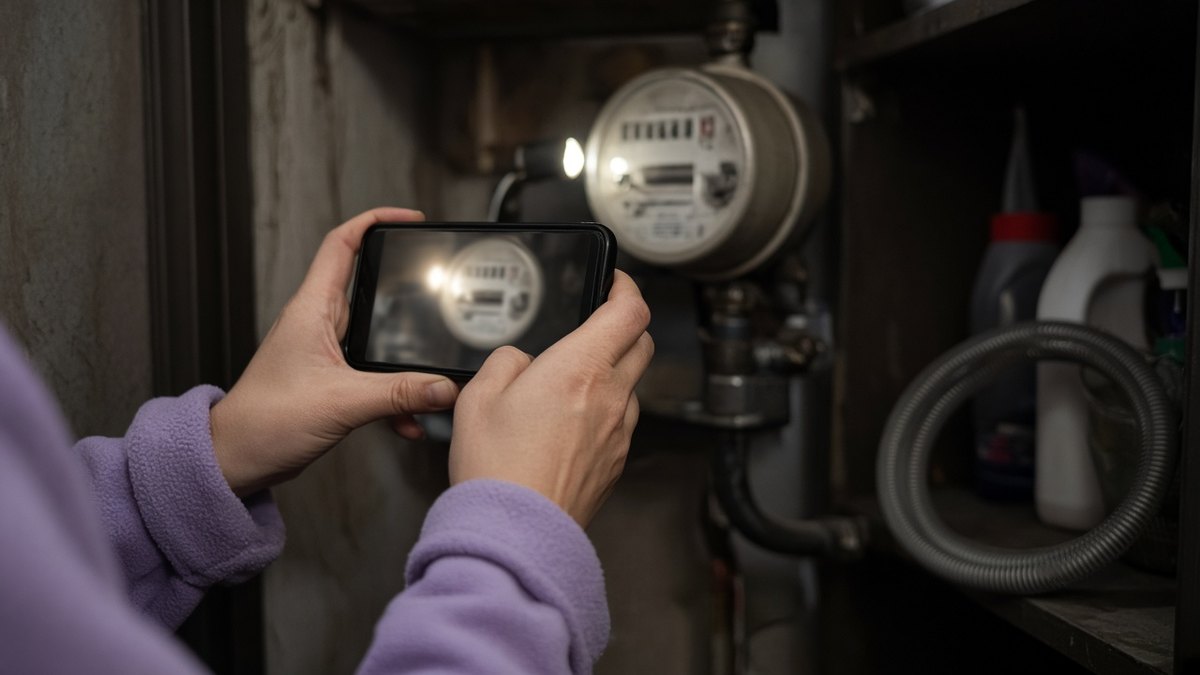
Take a meter reading with a dated photo. It protects you if there is a dispute about the final bill.
Ask for a repayment plan in writing. A plan makes it easier to agree a way forward.
Do not stop paying while you wait to switch. An unpaid bill older than 28 days can block the switch.
Keep every reply. If a switch is rejected, your supplier should tell you why, and you can complain if you disagree.
How to switch once you are able to
When you are ready, you will need some details from your latest bill. Ofgem names them as your postcode, your current supplier, your current tariff, the amount you pay per unit in kilowatt hours (kWh) and how much energy you use each year. Our guide on how to switch energy supplier explains each step. MoneySuperMarket, citing Ofgem, gives typical household use as 2,500kWh of electricity and 9,500kWh of gas a year, so your own bill may be higher or lower than the £1,723 figure.
If your account is in credit, the supplier should refund the balance after your final bill, and our guide to energy credit balances when switching covers that side of things. If you rent, Ofgem says you can switch if you pay your supplier directly, although you should check your tenancy agreement first.
Fit summary
Good for switching now: households on a credit meter whose unpaid bill is less than 28 days old, or who have not yet received one.
Good for switching with a prepayment meter: people who owe up to £500 for gas and up to £500 for electricity.
Pause first: anyone whose unpaid bill is more than 28 days old; pay it or agree a plan, then switch.
Ask for help: anyone who is struggling to pay; speak to your supplier before you do anything else.
Important conditions
Rules are as shown on Ofgem and Citizens Advice pages; Citizens Advice’s advice applies to England, and Scotland, Wales and Northern Ireland have their own pages.
You can only switch if you pay a supplier directly, so tenants whose landlord pays and people on a heat network cannot.
Quotes depend on your postcode and usage and may not include every supplier or tariff.
Switching does not clear a debt: it is added to your final bill or moved to your new supplier.
Check exit fees on your current tariff before you move.
Our verdict
Not sure whether you can switch? Check the date of your oldest unpaid bill and your meter type first.
Within the rules? Compare deals against the £1,723 cap for your postcode.
Struggling to pay? Talk to your supplier about a plan before you switch.
Check dual-fuel deals for your postcode
- Gas and electricity from one supplier, compared by yearly cost
- Take a dated meter reading before you switch
- Suppliers must switch you within five working days, and your supply is not interrupted
FAQ
Can I switch energy supplier if I owe money?
Often yes. Ofgem says you can switch if you have been in debt to your supplier for less than 28 days, and the amount is added to your final bill. You cannot switch if you have been in debt for more than 28 days until you repay it.
What is the 28-day rule for energy debt?
Ofgem says you can switch if you have been in debt for less than 28 days. Citizens Advice describes it as having an unpaid bill that was sent less than 28 days ago, or no bill sent yet. If the unpaid bill is older than 28 days, you must pay it before you switch.
Can I switch with a prepayment meter if I am in debt?
Yes, if you owe up to £500 for gas and up to £500 for electricity. Your new supplier agrees to take the debt on and you repay it to them. If you owe more than £500 for either fuel, you need to reduce the debt first.
What happens to my debt if I switch?
The debt does not disappear. On a credit meter your old supplier adds the amount to your final bill. On a prepayment meter the debt transfers to your new supplier.
Can my supplier refuse to let me switch?
If you have been in debt for more than 28 days, your supplier can reject the switch. It should explain why, and you can make a formal complaint if you do not agree. If you disagree with the bill itself, tell them you are disputing it and keep your evidence.
How long does an energy switch take?
Ofgem says suppliers must switch your supply within five working days. If they do not, your new supplier must pay you £40, and you can still cancel within the 14-day cooling-off period.
Where can I get help if I cannot pay my energy bill?
Talk to your supplier first. Ofgem says suppliers must offer help to prepayment customers who cannot top up, and Citizens Advice has guidance on getting help with bills and debts. Grants and benefits may be available, so it is worth checking what you qualify for.
Questions about switching? Ask Squid AI
Squid AI explains the price cap, tariffs and switching in plain English, then points you to the comparison.
- Save energy and moneyLearn when a fixed deal beats the price cap.
- Save timeAnswers in seconds, no forms or sign-up.
- Plain answersNo jargon, no pressure, free to use.