Switching energy supplier in 2026 takes minutes to start and about 5 working days to complete. Your gas and electricity never stop flowing during the switch. Only the company that bills you changes, not the pipes or wires that reach your home. Millions of UK households still sit on old tariffs and pay far more than new customers on the same network. This guide covers every step, the paperwork you need, and the mistakes that cost switchers money. Read it once and you can run a full comparison in under 10 minutes.
What You Need Before You Start
A fast, accurate comparison needs just 3 details. You can pull all of them from a recent bill or your online account in under 5 minutes. Having these figures ready means a comparison tool can match you to a genuine deal instead of a rough guess. Skip this step and you risk picking a tariff built for a different type of household.
What to gather | Where to find it | Why it matters |
Annual usage in kWh | Recent bill or supplier app | Gives a real quote instead of a generic estimate |
Current tariff name | Bill or online account | Confirms whether you're on a fixed or variable rate |
Your postcode | Your address | Sets the regional rates you qualify for |
If you can't find your usage figures, an estimate based on home size and occupants still works. Real kWh numbers just give you a tighter, more accurate comparison. Most supplier apps show 12 months of usage history on the account dashboard. Check there first before requesting a paper copy of an old bill.
Step 1: Compare Tariffs Based on Real Usage
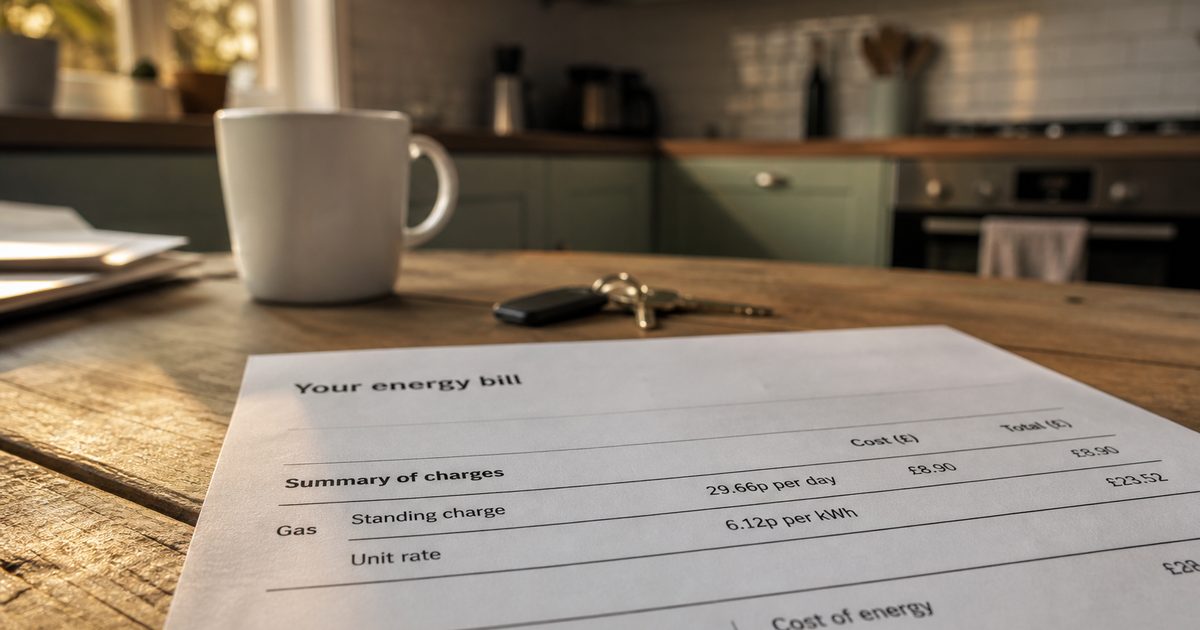
Run your comparison against your actual consumption, not a generic household profile. Check 2 numbers on every deal: the unit rate in pence per kWh, and the standing charge, which is a fixed daily cost you pay no matter how much energy you use. A low unit rate paired with a high standing charge can cost light users more than a balanced tariff. Small households and flats often do better on a plan with a lower standing charge, even if the unit rate looks slightly higher. Always compare the total annual cost, not just one number in isolation. Compare gas and electricity deals side by side before you commit to anything.

Step 2: Choose Between a Fixed or Variable Tariff
Fixed tariffs
A fixed tariff locks your unit rates for a set term, usually 12 to 24 months. You get budget certainty, but most fixed deals charge an exit fee if you leave early. This works well if you value a predictable monthly bill over chasing every market dip. Households on tight budgets often prefer fixed tariffs for exactly this reason.
Variable tariffs
A variable tariff moves with the market and the energy price cap. Rates can fall, but they can also rise with little warning. Variable deals suit switchers who want flexibility over certainty. They also carry fewer exit fees, so you can move again quickly if a better rate appears. This makes variable tariffs a reasonable choice during periods of falling wholesale prices.
Factor | Fixed tariff | Variable tariff |
Price stability | Locked for the contract term | Changes with the market and price cap |
Exit fees | Common if you leave early | Rarely charged |
Best for | Budget certainty | Flexibility and short-term deals |
Step 3: Sign Up and Let Your New Supplier Handle the Rest
Once you pick a deal, your new supplier manages the entire switch. You don't need to contact your old provider; they get notified automatically. Under the Energy Switch Guarantee, the whole process completes within about 5 working days, and your supply is never interrupted. Your new supplier also handles the transfer of your account details, your billing history, and any final readings needed. All you need to do is confirm the deal and wait for a start date. Start comparing energy deals now to lock in a new rate.
Step 4: Use the 14-Day Cooling-Off Period If You Change Your Mind
Every switch made online or by phone comes with a 14-day cooling-off period. Cancel within that window and you pay nothing. Most suppliers wait until cooling-off ends before starting the switch, which is why the full process can take around 2 weeks from sign-up to go-live. Use this window to double-check the tariff details, the contract length, and any exit fees before the switch locks in. Cancelling is usually a simple online form or a phone call.
Step 5: Submit a Meter Reading and Settle Your Final Bill
On or around your switch date, send a meter reading to both suppliers. A smart meter does this automatically. Your old supplier then has up to 6 weeks to issue a final bill and refund any credit sitting on your account. Check that refund lands; it's your money. If a refund doesn't appear within that window, contact your old supplier directly and ask for a final statement. Keep a screenshot or photo of your reading as proof, just in case a dispute comes up later.
Costs and Fees to Check Before You Commit
Check this | Why it matters |
Exit fees | Mid-term fixed tariffs often charge a fee to leave early; confirm the saving still beats the cost |
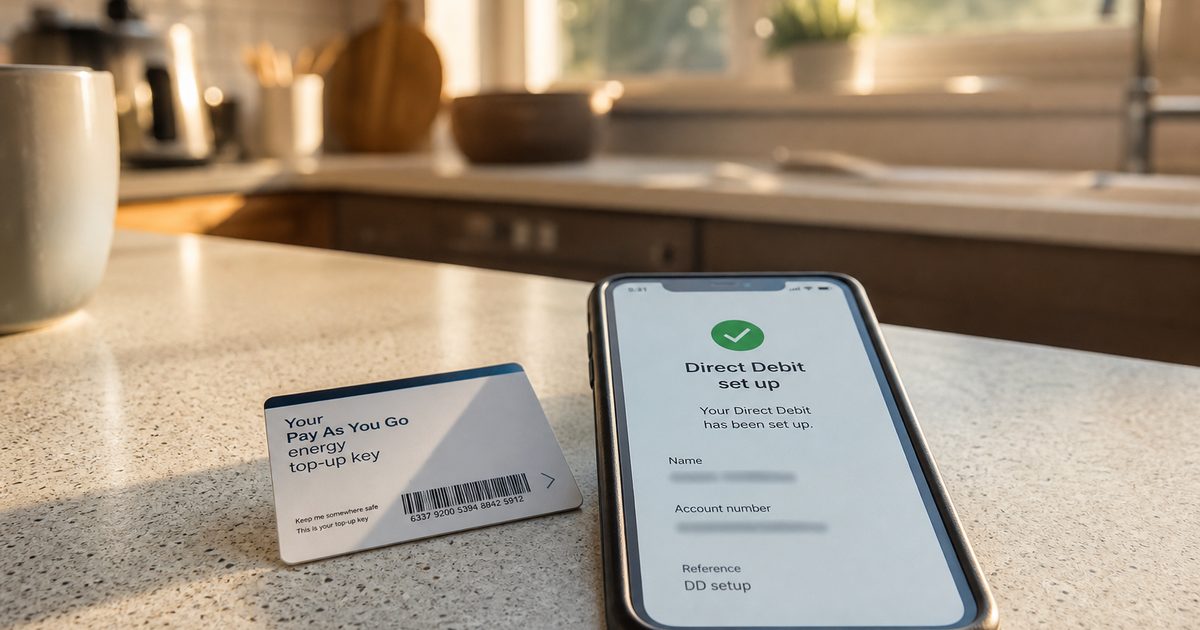
Payment method | Monthly Direct Debit is almost always the cheapest option |
Dual fuel vs separate | Bundling gas and electricity is convenient, but separate suppliers are sometimes cheaper |
Smart meter status | Some older smart meters lose their smart features after a switch and need re-commissioning |
If you're weighing up bundled versus separate suppliers, our dual fuel energy comparison breaks down both options side by side. It's worth running the numbers both ways before you commit, since the cheapest gas supplier isn't always the cheapest electricity supplier too. A few minutes of comparison here can save real money over a 12-month contract.
Will Your Supply Ever Be Cut Off During a Switch?
No. The same national gas and electricity networks reach your home no matter which supplier bills you. Switching only changes who sends your bill. No engineer visits are needed, no new meter gets installed, and there's no risk of losing power. The physical pipes and cables stay exactly the same throughout the switch. This is one of the most common worries first-time switchers have, and it simply doesn't apply under UK energy rules.
How the Energy Switch Guarantee Protects You in 2026
The Energy Switch Guarantee sets the rules every UK supplier follows: a completed switch within 5 working days, accurate final bills, and no service gaps. If a supplier misses these standards, it must put things right and can face regulatory action. These rules give every switcher a safety net, whether it's your first switch or your tenth. If you're running a household with solar panels or want a cleaner tariff, check our green energy comparison for renewable-backed deals, or our business energy guide if you're switching for a company rather than a home.
Frequently Asked Questions
Does switching supplier interrupt my gas or electricity?
No. Supply runs through the same network throughout the switch, so your home never loses power or gas. The physical infrastructure delivering your energy stays untouched no matter who bills you. Only the paperwork and the billing account change hands between suppliers.
Can I cancel a switch after signing up?
Yes. You get a 14-day cooling-off period after signing up, and cancelling within it costs nothing. Most suppliers let you cancel online or over the phone within minutes. After this window closes, the switch proceeds as agreed unless you have a separate cancellation clause.
Do I need a new meter to switch supplier?
No. Your existing meter stays in place. Only smart meters occasionally need re-commissioning after a switch, and even then the process is handled remotely in most cases. You won't need to book an engineer visit for a standard switch.
Is it worth switching if I'm already on a fixed tariff?
Yes, if the exit fee is lower than the saving on a new deal. Compare both figures before you decide, since some fixed contracts carry fees that outweigh short-term savings. Waiting until your current term ends is sometimes the smarter move.
Will I owe money to my old supplier after switching?
Yes, if your final bill shows you used more than you paid for. Most switchers instead receive a refund for unused credit sitting on their account. Either way, your old supplier must issue a final statement within 6 weeks of the switch date.
The Bottom Line
If you've stayed on the same variable tariff for over a year, you're almost certainly overpaying. Compare deals against your real usage, check for exit fees, and let your new supplier handle the move. Five working days later, you're on a cheaper deal with the same gas and the same electricity. There's no downtime, no engineer visit, and no risk to your supply at any point in the process. The only real cost of waiting is the extra money you hand over each month on an outdated tariff. Compare energy prices now and see how much you can save in 2026.