
These 104 energy saving tips cut UK household energy bills without a full home renovation. Small habit changes in the kitchen, bathroom, and living room lower a bill within one cycle. Bigger upgrades, such as insulation and a smart thermostat, save more over the following years. Energy prices remain high across the UK in 2026, so this guide sorts every tip by room to help you find what applies to your home fast. If you also want to compare cheaper energy tariffs, switching supplier stacks further savings on top of these habits.
Around half of a typical UK energy bill goes on heating and hot water, according to Ofgem. The rest splits across kitchen appliances, lighting, and electronics. That's why the biggest wins on this list sit in the heating and insulation section, though every room offers quick, free changes too.
Compare home energy deals
- MoneySuperMarket residential gas & electricity journey
- Enter your postcode and usage for live quotes
- Household switch path only — not business energy
Energy Saving Tips for the Kitchen
The kitchen runs the most appliances for the longest hours of any room, so it offers 15 of the fastest energy saving tips on this list.
Boil only the water you need in the kettle. Overfilling it wastes electricity on water you pour away.
Use the microwave for small portions. It uses less power than heating a full oven for the same job.
Match the pan size to the hob ring. Heat escaping around a small pan on a large ring is wasted energy.
Keep pan lids on while cooking. An open pan loses heat fast, so the ring runs longer to compensate.
Batch-cook in the oven. One hot oven can cook several dishes at once instead of reheating it repeatedly.
Keep the oven door shut while cooking. It loses roughly 20°C of heat every time you open it.
Turn the oven off five minutes before the end of cooking. Residual heat finishes most dishes without extra energy.
Defrost food in the fridge overnight instead of using the microwave defrost cycle.
Keep the fridge reasonably full. A stocked fridge holds cold air more efficiently than an empty one.
Check the fridge door seal every few months. A worn seal lets warm air in and forces the compressor to run longer.
Set the fridge to 3-5°C and the freezer to -18°C. Colder settings waste energy without any food safety benefit.
Clean the condenser coils behind the fridge twice a year. Dust build-up makes the compressor work harder.
Run the dishwasher only when full. A half load uses the same water and power as a full one.
Use the dishwasher's eco setting. It runs at a lower temperature over a longer cycle for less total energy.
Descale the kettle every month. Limescale forces it to work harder to reach boiling point.
Ways to Save Energy in the Living Room
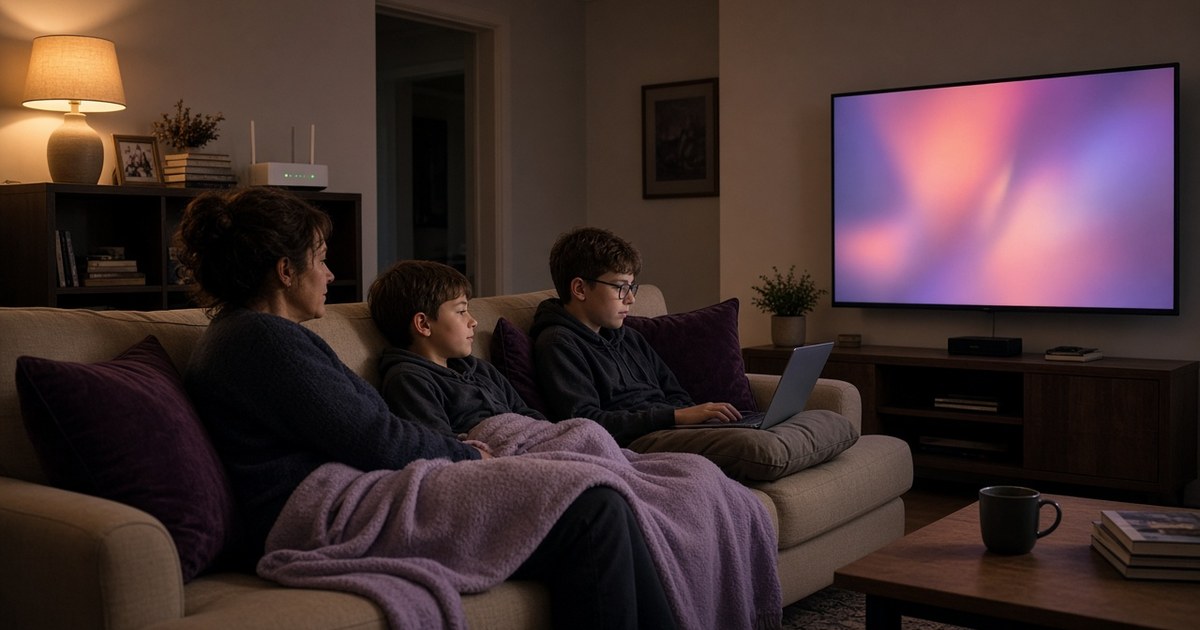
Entertainment devices left on standby waste power every hour of the day, even when no one's watching.
Switch the TV off at the wall rather than leaving it on standby, which still draws power around the clock.
Lower the TV brightness setting. Factory settings are brighter than most living rooms need.
Choose a smaller screen when replacing a TV. A 32-inch LED uses roughly half the power of a 55-inch model.
Unplug games consoles when they're not in use, since rest mode still draws power.
Fit a smart plug on entertainment systems to cut standby power automatically on a schedule.
Close curtains at dusk to keep heat inside the room and reduce heating demand.
Keep sofas and furniture away from radiators, since blocked airflow makes the heating run longer.
Set devices to sleep after 10 minutes of inactivity. An idle screen wastes nearly as much power as an active one.
Charge laptops and phones during the day rather than leaving chargers plugged in overnight.
Use one central smart speaker instead of several always-on speakers dotted around the room.
How to Save Energy When Doing Laundry
Washing machines and tumble dryers are two of the highest energy-consuming appliances in a UK home.
Wash clothes at 30°C. This uses up to 40% less energy than a 40°C cycle.
Wait for a full laundry load. Two half loads use more water and power than one full one.
Use the fast or eco cycle for lightly soiled clothes, since shorter cycles heat less water.
Run an occasional 60°C hot wash to remove bacteria that low-temperature cycles leave behind.
Air-dry clothes on a rack or line. A tumble dryer is one of the most energy-hungry appliances in the home.
Clean the tumble dryer's lint filter after every load, since blocked lint forces the drum to run longer.
Use the auto-sensor dry setting instead of a fixed timer, so the cycle stops once clothes are actually dry.
Spin clothes at a high speed in the washing machine. Drier clothes need less time in the tumble dryer.
Dry a second and third load back to back, since the dryer reuses heat already built up in the drum.
Keep the tumble dryer in a warm room. A cold garage or shed makes it work harder to heat up.
Descale the washing machine drum every few months, since limescale reduces heating efficiency.
Iron a full basket in one session rather than reheating the iron multiple times across the week.
Bathroom Energy Saving Tips
Heating water accounts for most bathroom energy use, so reducing hot water volume delivers the biggest savings here.
Fit a water-efficient shower head. It keeps pressure steady while using less hot water.
Keep showers under 4 minutes. Every extra minute adds to hot water and energy use.
Turn the tap off while brushing your teeth. A running tap wastes up to 6 litres a minute.
Fix dripping taps promptly. A single dripping hot tap wastes litres of heated water every day.
Swap one bath a week for a short shower, since a bath uses significantly more hot water.
Insulate hot water pipes under the sink to keep water hot for longer between uses.
Lower the pressure on power showers. High-pressure settings can use more water than a standard bath.
Set the hot water cylinder thermostat to 60°C, which is hot enough for safety without wasting energy.
Bedroom: Simple Ways to Cut Energy Use
Bedrooms need less heat overnight than living spaces, which makes them an easy place to trim energy use.
Turn off bedside lamps and chargers before sleep, since these draw standby power overnight.
Fit thermostatic radiator valves (TRVs) in bedrooms to heat only the rooms you use at night.
Add thick curtains or blinds to trap heat and cut the need for extra heating.
Lower the bedroom thermostat by 1°C. A slightly cooler bedroom supports sleep and lower bills.
Unplug electric blankets after use rather than leaving them switched on once you're warm.
Draught-proof bedroom windows, since gaps around frames let heat escape all night.
Heating and Insulation: The Biggest Energy Savings
Heating delivers the largest savings on this entire list, since it makes up roughly half of a typical bill. Grants may cover some of the cost of upgrades: check the Boiler Upgrade Scheme before paying for a heat pump or new boiler out of pocket.
Turn the thermostat down by 1°C. This alone can noticeably cut heating costs without a noticeable change in comfort.
Install a smart thermostat that learns your schedule and heats rooms only when needed.
Fit thermostatic radiator valves (TRVs) on every radiator to heat individual rooms to different temperatures.
Bleed radiators twice a year, since trapped air stops them heating evenly.
Move furniture away from radiators, since blocked airflow forces the system to run longer.
Fit reflector panels behind radiators on external walls to redirect heat back into the room.
Insulate the loft to the recommended 270mm depth. A quarter of home heat escapes through an uninsulated roof.
Insulate cavity or solid walls, since walls account for around a third of heat loss in an uninsulated home.
Draught-proof windows, doors, and letterboxes. Sealing gaps is one of the cheapest ways to cut heat loss.
Fit a chimney draught excluder, since an open chimney pulls warm air straight out of the house.
Upgrade to double or triple glazing. Single-pane windows lose far more heat than modern glazing.
Insulate the hot water cylinder with an 80mm jacket to keep water hot for longer.
Service the boiler annually. A poorly maintained boiler burns more fuel for the same heat output.
Lower a combi boiler's flow temperature to around 60°C to improve efficiency without reducing comfort.
Bleed and balance the whole heating system every autumn to keep every radiator working at full efficiency before winter.
Compare home energy deals
- MoneySuperMarket residential gas & electricity journey
- Enter your postcode and usage for live quotes
- Household switch path only — not business energy
Lighting Tips to Reduce Electricity Use
Lighting is a smaller share of the bill than heating, but it's one of the cheapest areas to fix.
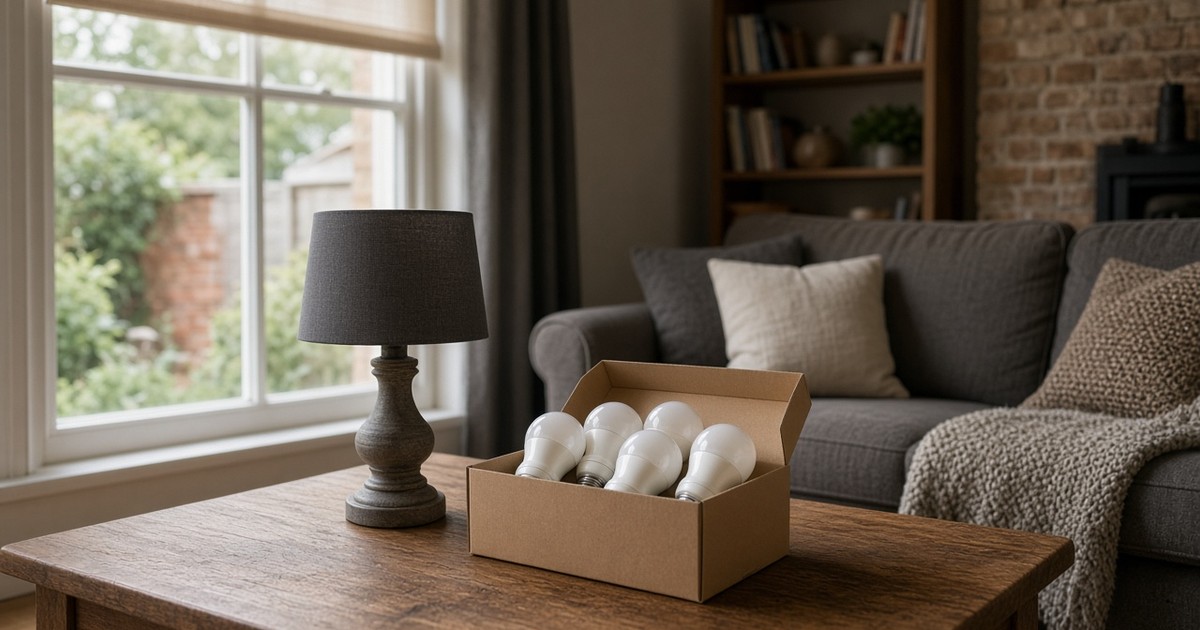
Switch to LED bulbs. They use around 75% less energy than old incandescent bulbs and last far longer.
Turn lights off when leaving a room. This remains one of the simplest ways to cut electricity use.
Use dimmer switches, since lower brightness settings draw proportionally less power.
Install motion-sensor lighting outdoors, so lights activate only when needed instead of running all night.
Clean light fittings and bulbs regularly, since dust reduces brightness and encourages extra lamp use.
Use task lighting instead of lighting a whole room. A desk lamp uses far less power than an overhead light.
Open curtains during the day to use natural light and cut daytime reliance on electric lighting.
Fit timers on outdoor and security lights so they don't run through daylight hours by mistake.
Smart Meters and Devices That Save Energy
Smart tech shows exactly where energy goes, which turns guesswork into targeted savings. Suppliers charging above the price cap ceiling cost the most, so check where yours ranks against the most expensive UK energy suppliers list before your next renewal.
Get a smart meter. It shows real-time energy use and highlights exactly where you're overspending.
Use smart plugs on high-drain appliances to schedule and monitor exact usage.
Download your energy supplier's app. Most provide personalised tips based on your actual consumption data.
Submit accurate meter readings monthly, since estimated readings often overstate usage and inflate bills.
Set up alerts for unusual consumption spikes, since these often flag a faulty appliance early.
Use energy monitors on individual circuits to identify exactly which appliance is driving your bill up.
Replace old appliances with A-rated or higher models, since modern appliances use far less energy for the same output.
Check your tariff against current market rates every 12 months. Prices change, and older tariffs often cost more than switching.
Garden and Outdoor Tips to Save Power
A garden sits outside the house, but pumps, pool heating, and mowers still show up on the electricity bill.
Choose an electric mower over a petrol one. Electric models are cheaper to run and more efficient.
Cover a pool or hot tub when it's not in use, since an uncovered surface loses heat constantly.
Turn off pool pumps and filters outside active hours, since these run needlessly when nobody's swimming.
Fit solar-powered garden lighting to remove outdoor lighting from your electricity bill entirely.
Water plants in the early morning or evening to reduce evaporation and the need for repeat watering.
Install a water butt to collect rainwater and cut reliance on pumped mains water for the garden.
Energy Saving Tips for Working From Home
Working from home adds hours of laptop, monitor, and heating use that an office would otherwise absorb.
Use a laptop instead of a desktop PC. Laptops use up to 80% less power for the same tasks.
Enable sleep mode after short periods of inactivity, since an idle screen wastes nearly as much power as an active one.
Use a desk near a window to cut the need for a desk lamp during working hours.
Print only when necessary. Inkjet printers use less energy than laser printers, and paper waste adds cost.
Charge devices once a day rather than leaving them plugged in continuously, since constant trickle charging wastes standby power.
Heat only the room you're working in with a TRV or portable heater instead of the whole house.
Close unused browser tabs and background apps, since these keep the processor working harder than necessary.
Switch off your monitor during calls when you don't need to see the screen. This cuts one of the biggest desk-based power draws.
Quick-Fire Habits That Save Energy Every Day
These final habits round out the list and take seconds to build into a daily routine.
Turn off appliances at the plug rather than leaving them on standby. Standby power adds up across a household.
Stop overcharging your phone overnight, since this wastes power and shortens battery life over time.
Keep internal doors open between heated and sunny rooms, so warm air circulates instead of being trapped in one space.
Clean windows inside and out. Dirt can block a meaningful share of natural light and increase lamp use.
Get every household member on board with switching things off. Shared habits save more than one person's effort alone.
Use a slow cooker for stews and casseroles. It uses a similar amount of energy to a light bulb over several hours.
Check for government energy support schemes, since discounts such as the Warm Home Discount cut your bill without changing usage.
Compare energy tariffs annually. Switching to a cheaper deal often saves more than months of small behavioural changes combined.
Frequently Asked Questions
How can I save energy at home quickly?
Turn off appliances at the plug, wash clothes at 30°C, and lower your thermostat by 1°C for the fastest results. These three energy saving tips cost nothing and typically show up on your very next bill.
Do LED bulbs actually save money?
Yes. LED bulbs use around 75% less energy than incandescent bulbs and last up to 25 times longer, so the higher upfront cost pays back within months.
What uses the most electricity in a UK home?
Heating and hot water account for roughly 50-60% of a typical UK household's energy bill, followed by kitchen appliances, lighting, and entertainment electronics.
Is it cheaper to leave the heating on low all day?
No. Turning heating off in unoccupied rooms and using a thermostat or smart schedule saves more than leaving it on low continuously, despite a common myth to the contrary.
How much can draught-proofing save on energy bills?
Draught-proofing typically saves £50-£100 a year, depending on how many gaps exist around windows, doors, and the chimney.
Does a smart meter save energy on its own?
No. A smart meter shows real-time usage, but you save money only when you act on that data by adjusting habits or appliance settings.
When is the best time to switch energy suppliers?
The best time to switch is as soon as your current fixed deal ends or a cheaper tariff appears. Staying on a supplier's standard variable tariff (SVT) usually costs more than switching every 12 months.
Put These Energy Saving Tips Into Practice
Free habit changes matter, but switching supplier often delivers the single biggest saving on this list. See how much you'd save by comparing deals against suppliers cheaper than British Gas, or run a full home energy comparison to check every supplier at once. Pair a cheaper tariff with even ten of these habits, and the combined effect shows up on your very next bill.
Compare home energy deals
- MoneySuperMarket residential gas & electricity journey
- Enter your postcode and usage for live quotes
- Household switch path only — not business energy
Questions about switching? Ask Squid AI
Squid AI explains the price cap, tariffs and switching in plain English, then points you to the comparison.
- Save energy and moneyLearn when a fixed deal beats the price cap.
- Save timeAnswers in seconds, no forms or sign-up.
- Plain answersNo jargon, no sales calls, free to use.