The UK copper landline switch-off is BT and Openreach's plan to retire the old copper phone network and move every landline onto Digital Voice, a service that runs calls over a broadband connection instead of copper cable. The final deadline for the switch is 31 January 2027. Most households won't need to do anything beyond plugging their phone into their router when their provider contacts them, since the migration happens remotely and keeps the existing phone number.
Openreach has already issued 'Stop Sell' notices covering well over a million properties in a single announcement on more than one occasion. In one tranche, BT confirmed plans to terminate copper landlines for 1.6 million UK homes across 163 exchanges. In another, Openreach confirmed 1.2 million properties affected by copper switch-off action across 132 exchanges. Each notice starts a 12-month countdown during which providers must stop selling new copper-based phone and broadband packages in that area.
What Is the Copper Switch-Off?
The copper switch-off is the retirement of the Public Switched Telephone Network (PSTN), the analogue cable system that has carried UK landline calls for over a century. Openreach, BT's network arm, owns and runs this infrastructure. The cables are ageing, spare parts are increasingly hard to source, and the network can no longer support the demand for faster, more reliable communication that fibre broadband already provides.
Once the switch-off completes, every UK landline will run through Digital Voice instead of a copper phone line. Phone numbers transfer automatically in almost every case, and call charges work the same way they did before.
What Is Digital Voice?
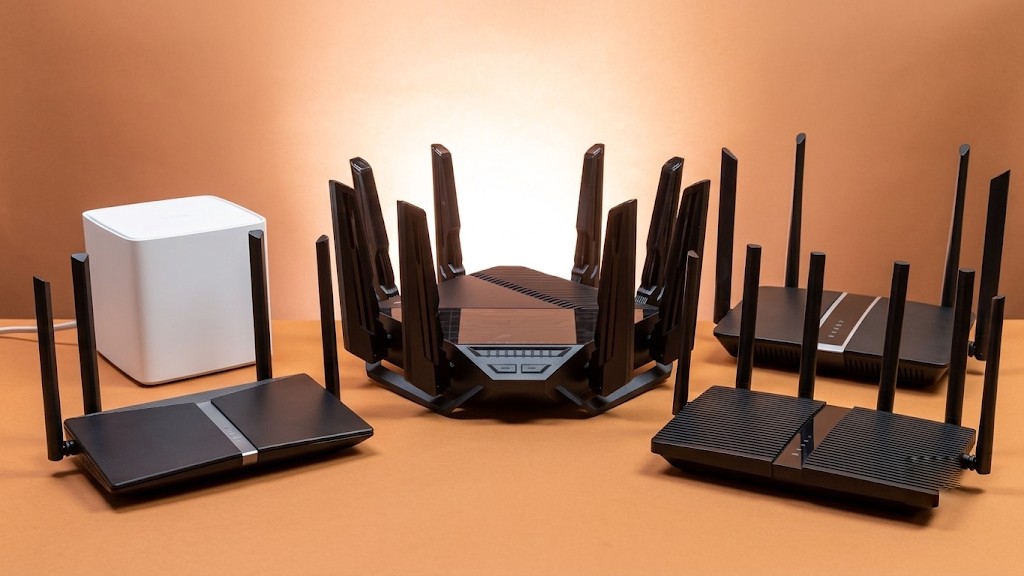
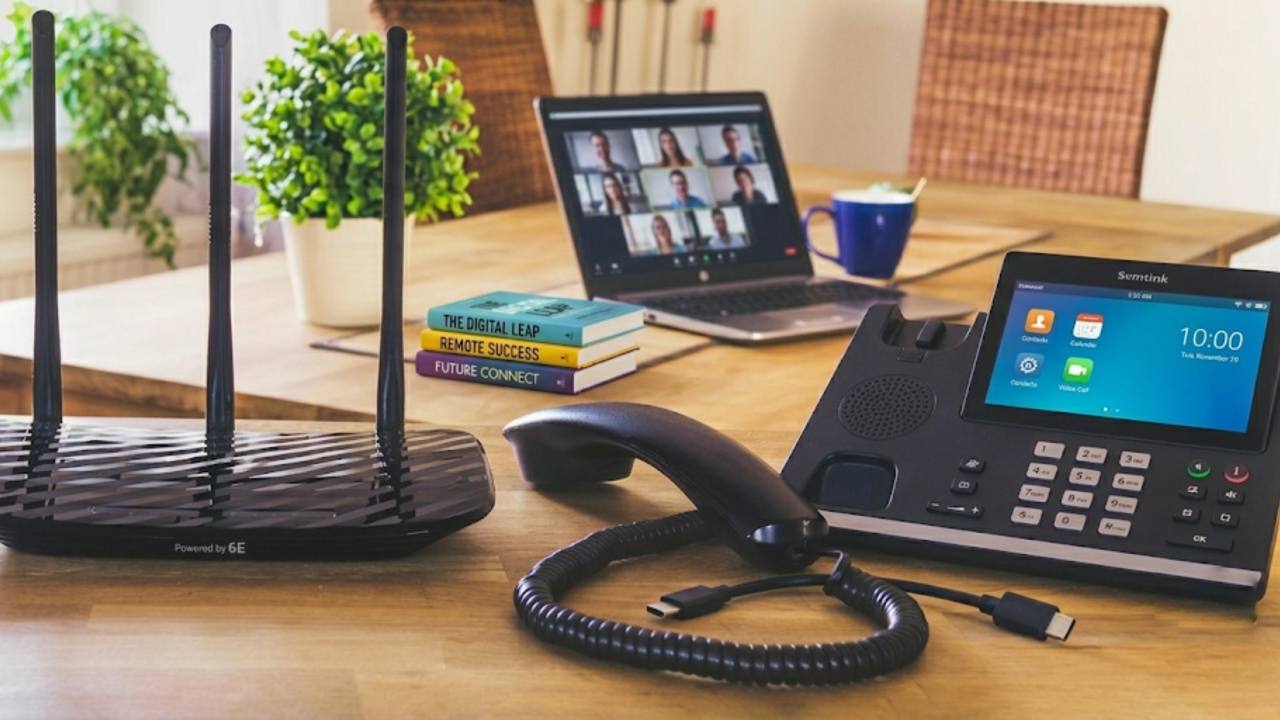
Digital Voice is BT's name for landline calls delivered over a broadband connection using Voice over Internet Protocol (VoIP). Other providers use their own branded versions: Sky calls it Sky Voice, TalkTalk uses TalkTalk Voice, and Virgin Media runs its own equivalent system. All of them work the same way underneath; the phone plugs into a router rather than a wall socket, and calls travel as data over the broadband copper or fibre line instead of the old analogue circuit.
VoIP converts a voice call into digital data, the same underlying technology used by WhatsApp, FaceTime, and Skype calls. Call quality is usually clearer, and providers can add features old copper lines never supported, like spam call blocking. BT has reported blocking tens of millions of nuisance and scam calls on Digital Voice lines since the rollout began.
Why Is Copper Broadband Being Phased Out?
Ageing infrastructure: copper cables degrade with age and weather exposure, and Openreach increasingly struggles to source replacement parts for a network built decades ago.
Rising fault rates: copper lines develop more faults than fibre, leading to more outages and longer repair times as engineers specialising in legacy equipment become harder to find.
Running two networks costs more: maintaining both an old copper network and a new fibre network in parallel is expensive and operationally unnecessary once fibre coverage in an area is high enough.
Falling demand: most households now make calls over mobile networks or apps, and landline-only usage has dropped sharply over the past decade.
The UK isn't acting alone here. Several other countries, including Estonia and the Netherlands, have already completed their own copper retirement, and others including France, Germany, and Japan are at various stages of the same transition.
When Will My Copper Phone Line Be Disconnected?
Your copper phone line will be disconnected once your local exchange enters the 'Stop Sell' phase and your provider completes your individual migration, with a hard deadline of 31 January 2027 for the entire UK. Openreach triggers Stop Sell in an area once full-fibre broadband reaches at least 75% of the properties served by that exchange. From that point, providers have roughly 12 months to stop selling new copper-based landline and broadband products in that exchange area, though existing customers keep working copper service until they're individually migrated.
BT Copper Landline switch-off: Recent Stop Sell Announcements
BT to terminate copper landlines for 1.6 million UK homes was confirmed across 163 exchanges in one of the largest single Stop Sell announcements to date. Locations included exchanges serving Birmingham, Nuneaton, Wolverhampton, Colchester, Norwich, Dundee, Preston, and Liverpool, among many smaller towns. A separate announcement saw Openreach confirms 1.2 million UK properties affected by copper switch-off across 132 additional exchanges, continuing the rolling, area-by-area approach rather than a single nationwide cut-off date.
This pattern means UK landline switch-off locations are added in batches every few months rather than all at once. Properties outside an exchange's fibre footprint are unaffected by that round's notice and continue using copper in the meantime.
How to Check If Your Exchange Is Affected
To check whether your address is part of a confirmed Stop Sell area, use Openreach's online postcode checker or contact your broadband provider directly. Your provider will also write to you around four weeks before your individual migration date, with instructions on what to do and whether you need any new equipment.
Do I Need Full Fibre Broadband for Digital Voice?
No, you don't need full fibre broadband to switch to Digital Voice. Digital Voice works over any broadband connection, including a standard copper-based or part-copper line. Customers without full fibre available yet are converted to SOGEA (Single Order Generic Ethernet Access), a setup that still uses a copper cable from the street cabinet to the home, but carries the phone signal as broadband data rather than the old analogue voice signal.
SOGEA acts as a bridge technology. It lets a property complete the move to Digital Voice ahead of the January 2027 deadline even where Openreach's full fibre rollout, targeting around 30 million premises by 2030, hasn't reached that street yet.
How the Switchover Process Works
Your provider notifies you around four weeks ahead of your migration date, explaining what's changing and what you need to do.
If your router is outdated, your provider sends a replacement before the switch date.
If your phone socket and router sit in different rooms, your provider supplies a Digital Voice adapter that connects wirelessly using the WPS pairing button.
On migration day, the provider switches off the old analogue connection and activates Digital Voice remotely.
You plug your existing phone into the router, or into the adapter if one was provided, and the line works immediately.
Yes, you keep your existing phone number through this process in the large majority of cases. Number changes only happen if you switch providers at the same time as migrating, or move address during the transition.
What Happens If You Have No Broadband?
No, landline-only customers will not be forced to buy broadband they don't want. Openreach instead supplies what it calls a dedicated landline service, technically a broadband connection used solely to carry the phone signal, at no extra cost to the customer. BT has committed to Ofcom that landline-only customers will continue paying the same price under this arrangement.
Power Cuts and Digital Voice: What Changes
Digital Voice landlines stop working during a power cut unless backup equipment is in place, since the phone now relies on a router that needs mains power. This differs from old copper lines, which carried their own current down the cable and kept working even when the electricity was out.
Providers address this with a few options for customers who rely on a working landline and don't have reliable mobile coverage as a backup:
A rechargeable battery backup unit that keeps the router and phone running for a set period during an outage.
A hybrid phone with a built-in SIM card that switches to mobile signal automatically if broadband or power fails.
A free mobile phone with signal boosting for customers in poor-coverage areas.
Anyone concerned about losing landline access during a power cut should contact their provider directly, since this equipment is usually offered free to customers who flag the need before their migration date.
Telecare Devices and the Copper Switch-Off
Around 1.8 million people in the UK rely on telecare devices, personal alarms, fall detectors, and similar equipment connected through the landline socket. Early in the rollout, some of these customers were migrated before providers confirmed their devices would still work, which caused real safety concerns and led to a 13-month delay to the original deadline.
Providers and telecare companies now test device compatibility in advance, and a customer with a telecare device should not be migrated until a working, compatible setup is confirmed. Anyone using or caring for someone who depends on this kind of device should tell their broadband provider directly, since this flags the account for additional care during migration scheduling.
Other Equipment Affected by the Switch-Off
Landline-dependent equipment extends well beyond home phones. Properties and businesses should check the status of:
Burglar alarms and CCTV systems with remote monitoring connected through a phone line.
Card payment terminals and standalone ATMs still using copper-based connections.
Traffic lights, roadside emergency telephones, and railway signalling equipment.
Lift emergency phones and fire alarm systems in larger or older buildings.
Major alarm brands have largely confirmed compatibility, but coverage isn't universal. Checking directly with an equipment provider well ahead of a confirmed migration date avoids a last-minute scramble or unexpected replacement cost.
What Happens to the Old Copper Cable?
BT plans to recycle copper removed from the network through metal recycling partners, with the material resold into industries including electric vehicle manufacturing, construction, and consumer electronics. Estimates put BT's potential recycling revenue from the decommissioned network in the hundreds of millions of pounds.
How to Prepare Before Your Switch-Off Date
To prepare for your migration, check whether your current router supports Digital Voice, confirm any landline-dependent devices in your home, and keep a charged mobile phone on hand as a backup during the transition period.
Test your router's age and condition; if it's several years old, expect your provider to offer a free replacement around your migration date.
List every device connected through your phone socket, including alarms and telecare equipment, and contact each provider to confirm compatibility.
Request a battery backup if you don't have reliable mobile signal at home, since digital lines don't survive a power cut without one.
Avoid acting on unsolicited calls or emails about the switch-off; providers never charge for the migration itself, and scammers have used the topic to target vulnerable customers.
If you're due an upgrade anyway, it's worth comparing UK broadband providers before your migration date arrives, since many full-fibre deals now include Digital Voice as standard and often come with a newer router at no extra cost.
Frequently Asked Questions | UK Copper Landline Switch-Off
Can I keep my phone number when I switch to Digital Voice?
Yes, you keep your existing phone number when you switch to Digital Voice in almost every case. Number changes only happen if you switch providers during the migration or move address at the same time.
Do I have to pay to move onto Digital Voice?
No, you should never be charged simply to migrate to Digital Voice. The switch is included as part of your existing service. Be cautious of anyone calling out of the blue asking for payment or personal details to complete the switch, since this is a known scam tactic.
Will my existing landline phone still work with Digital Voice?
Yes, most existing landline phones continue working with Digital Voice, particularly DECT cordless models. BT reports that around 99% of current phones work with its service, sometimes with a free adapter provided by the network. Older corded models are the most likely to need replacing.
What is SOGEA and why does it matter for the switch-off?
SOGEA (Single Order Generic Ethernet Access) is a connection type that delivers the phone signal as broadband data over the existing copper line where full fibre isn't yet available. It allows a property to complete the move to Digital Voice ahead of the 2027 deadline without waiting for a fibre-optic cable to reach the home.
Does Digital Voice work during a power cut?
No, Digital Voice doesn't work during a power cut without backup equipment, since the connection depends on a router that needs mains electricity. Providers supply battery backups or hybrid SIM-enabled phones to customers who need landline access during outages and lack reliable mobile coverage.
Is the copper switch-off the same as the full fibre rollout?
No, the copper switch-off and the full fibre rollout are related but separate projects with different timelines. The copper network is being retired for phone calls by 31 January 2027, while nationwide full fibre broadband coverage is targeted for around 2030. SOGEA bridges the gap for properties migrating to Digital Voice before fibre reaches their street.
What should I do if my exchange isn't on a Stop Sell list yet?
If your exchange hasn't received a Stop Sell notice yet, you don't need to take any action immediately, since copper service continues as normal until your area is confirmed. It's still worth checking Openreach's postcode checker periodically and keeping an eye on communication from your provider, since new exchange batches are added every few months.
Final Thoughts
The UK copper landline switch-off is now well past its early stages, with millions of properties already confirmed under Stop Sell rules and a fixed national deadline of 31 January 2027. For most households, the process is simple: a phone call or letter from your provider, a router swap if needed, and a five-minute plug-in change on migration day. The bigger planning task falls on anyone with telecare devices, alarms, or payment equipment wired through a phone line, where checking compatibility early avoids problems later. If your migration date is approaching, it's worth reviewing your current broadband deal at the same time, since switching to a full-fibre package with Digital Voice already built in often costs less than staying on an older copper-based plan.