
Last updated: Monday 2 November 2026
What is MSE’s Cheap Energy Club? It is MoneySavingExpert’s free energy comparison service, which compares your tariff with the whole open market, including deals it cannot switch you to, and pays £20 cashback on a dual fuel switch (£10 for one fuel) when it can. As of 2 November 2026, the price cap is £1,723 a year for a typical dual fuel home paying by Direct Debit until 31 December 2026, and Ofgem will announce the January to March 2027 level by 25 November 2026. Any comparison site works the same basic way: enter your real usage, compare the yearly cost of each tariff against what you pay on the cap, and check exit fees before you switch. This SwitchSquid guide explains how Cheap Energy Club works, how it differs from other comparison sites, and whether to switch now or wait for January. SwitchSquid is not connected to MoneySavingExpert or Martin Lewis. If you compare through the buttons on this page, we may earn a commission; it does not change the price you pay.
Sources: MSE Cheap Energy Club, MSE help: why do you pay cashback?, MSE help: do you include all tariffs?, Ofgem price cap 1 October to 31 December 2026 and Ofgem, switch your energy supplier, all checked on 2 November 2026.
Compare gas and electricity tariffs against the £1,723 cap
- Free comparison of home energy tariffs against what you pay on the cap, which is £1,723 a year for a typical home until 31 December 2026
- No code needed: have your postcode, supplier, tariff and yearly kWh ready
- Main limitation: no comparison site lists every tariff, so check your own supplier’s fixed deals too
How MSE’s Cheap Energy Club works
Cheap Energy Club gives you two ways to compare. Both start with your postcode, your current supplier and tariff, and how much energy you use.
DIY comparison: compares your deal with the whole market and lists every tariff in the results, whether or not MSE can switch you to it. MSE says other sites hide deals that do not pay them by default.
Pick Me A Tariff: you choose what matters to you, such as price, a fixed rate or a well-known supplier, and it returns your three best-matching deals to pick from.
MSE also builds price cap predictions into its comparison, because the cap changes every three months. That helps you see whether a fixed deal is likely to beat the cap over the year, though any forecast can be wrong.
If MSE can switch you, it receives a referral fee from the supplier and passes £20 back to you for a dual fuel switch, or £10 for a single fuel. MSE says the cashback usually reaches your bank account three to six months after the switch completes, and that it sorts results from cheapest to most expensive rather than putting paying tariffs first.
Does Cheap Energy Club show every tariff?
Almost. MSE says it aims to show every open tariff on the market, but there are gaps. A new small supplier may not have sent its rates yet. Very complex tariffs whose prices change every half hour, such as Octopus Agile, are not included on any comparison site, and neither are EV tariffs. Collective switches run by councils or other groups are also missing, apart from MSE’s own.
That matters if you have an electric car, a heat pump or a smart meter and could use a time-of-use tariff. In that case, check suppliers’ own websites as well as any comparison tool. Our tracker vs fixed energy guide explains how those tariffs compare with the cap.
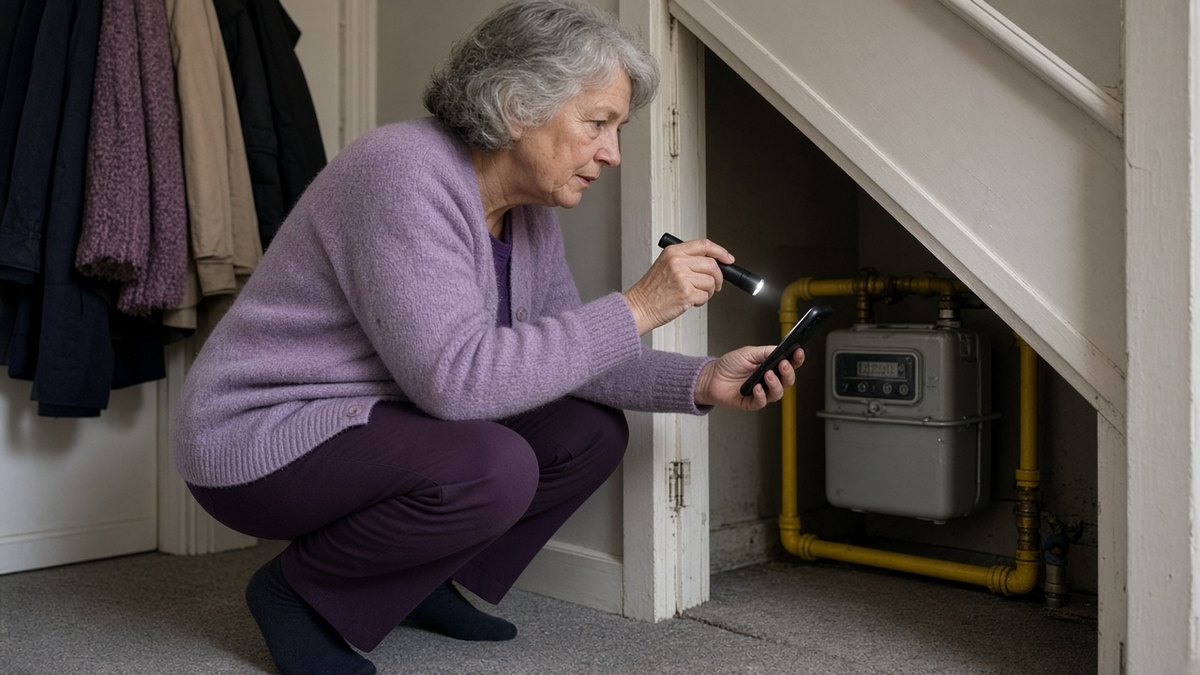
Cheap Energy Club vs other comparison sites
All the main comparison sites use the same basic method. The differences are in what they show by default, what extra they pay you and how they present the results.
Feature | MSE Cheap Energy Club | Typical comparison site | Going direct to a supplier |
|---|---|---|---|
Tariffs shown | Whole open market, including deals it cannot switch you to | Varies; some show only deals they can switch you to by default | That supplier’s tariffs only |
Switching | Online for tariffs it can switch | Online for tariffs it can switch | Directly with the supplier |
Cashback or reward | £20 dual fuel, £10 single fuel | Varies by site and offer | Sometimes a sign-up offer |
Price cap forecasts | Built into the comparison | Varies | Not usually |
Exclusive tariffs | Its own collective switches from time to time | Some sites have their own | Supplier’s own deals |
Cost to you | Free; the supplier pays a fee | Free; the supplier pays a fee | Free |
One point is easy to miss: a tariff that is exclusive to one site will not show up as switchable anywhere else, so it pays to run the same search on two services. Ofgem’s own advice is that the best option may be with your current supplier, so include your supplier’s own fixed deals in the comparison. For a wider look at the services, see our guide to the best energy comparison sites and our explainer on how comparison sites work.
Compare fixed energy deals before the 25 November announcement
- Fixed-price tariffs to compare against the capped rates of 26.32p per kWh for electricity and 7.97p for gas
- No code needed: enter your real usage to see yearly costs
- Main limitation: fixed tariffs can carry exit fees, so check them before you switch
Should you switch now or wait for the January price cap?
The cap is £1,723 a year for a typical dual fuel household paying by Direct Debit from 1 October to 31 December 2026, up 4% on the previous quarter. Ofgem says the rise is mainly down to higher wholesale gas prices linked to the conflict in the Middle East. Ofgem will announce the cap for 1 January to 31 March 2027 by 25 November 2026, and says it may publish earlier.
Capped rate, 1 October to 31 December 2026 | Electricity | Gas |
|---|---|---|
Average unit rate (Direct Debit) | 26.32p per kWh | 7.97p per kWh |
Average standing charge | 54.83p a day | 29.68p a day |
VAT | 0% from 1 October 2026 to 30 June 2027 (Great Britain) | 5% |
Fix before 25 November if: you can find a fixed tariff priced at or below the cap rates above with low exit fees, and you value certainty over winter.
Wait for the announcement if: the fixes you can get are well above the cap. Standard variable tariffs have no exit fees, so you can still switch after 25 November.
Do nothing if: you are already on a good fix that runs past March 2027. Check your end date and any exit fee first.
Whatever you decide, the January level is not known until Ofgem announces it. Our guides to the next price cap announcement and whether to switch energy supplier go into more detail, and our energy price cap tracker shows how the cap has moved.
How to switch energy supplier, whichever site you use
Find your details. Ofgem says your new supplier will need your postcode, current supplier and tariff, your unit rates and how much energy you use a year. Your bill or app has all of these.
Compare on yearly cost. Use your real kWh, not an estimate, and compare the total yearly cost including standing charges.
Check exit fees. You may have to pay one if you leave a fixed tariff early. Our guide to switching without an exit fee explains when you will not.
Switch. Ofgem says suppliers must move your supply within five working days, or your new supplier must pay you £40 automatically.
Change your mind if you need to. You can cancel a switch within 14 days.
If you owe your supplier money, Ofgem says you can usually still switch if the debt is less than 28 days old, or if you have a prepayment meter and owe up to £500. Our guide to how long switching takes covers the timeline step by step.
Fit summary
Use Cheap Energy Club if: you want to see every open tariff, including ones it cannot switch you to, and you would like £20 cashback on a dual fuel switch.
Use another comparison site as well if: you want to catch exclusive tariffs that only appear on one site.
Go direct if: you want a time-of-use, EV or half-hourly tariff that comparison sites do not list.
Stay on the cap if: nothing beats the capped rates and you value having no exit fees.
Important conditions
The £1,723 figure is a typical yearly bill at average capped rates for a dual fuel home paying by Direct Debit in Great Britain. Your bill depends on your usage, region and meter.
Cheap Energy Club cashback is paid only when MSE can switch you, and usually takes three to six months.
No comparison site lists half-hourly tariffs such as Octopus Agile, EV tariffs or third-party collective switches.
Fixed tariffs are not covered by the price cap. Check exit fees and the length of the fix.
SwitchSquid is independent of MoneySavingExpert and Martin Lewis, who do not endorse this site.

Final decision card
MSE’s Cheap Energy Club is a useful whole-market comparison with modest cashback, but it is not the only way to find a good deal. Run the same search on at least two comparison services, include your own supplier’s fixed deals, and compare every option against the £1,723 cap before Ofgem’s announcement on or before 25 November 2026. If you would like help reading your bill first, ask Squid AI.
Compare dual fuel deals for your postcode
- Gas and electricity together, compared on yearly cost for your address
- No code needed: results depend on your region and meter
- Main limitation: some time-of-use and EV tariffs are not listed on comparison sites
FAQ
What is MSE’s Cheap Energy Club?
It is MoneySavingExpert’s free energy comparison service. It compares your tariff with the whole open market and can switch you to many of the deals it shows. It pays £20 cashback on a dual fuel switch, or £10 on one fuel, when it can switch you.
Is Cheap Energy Club whole of market?
MSE says it shows every open tariff it has rates for, including deals it cannot switch you to. Very complex half-hourly tariffs, EV tariffs and third-party collective switches are not included. New small suppliers may also be missing for a while.
How much cashback does Cheap Energy Club pay?
MSE pays £20 for a dual fuel switch and £10 for a single fuel switch, but only when it switches you. It usually arrives three to six months after the switch completes.
Is it worth switching energy supplier before January 2027?
It can be if you find a fixed tariff at or below the current cap rates with low exit fees. Ofgem will announce the January to March 2027 cap by 25 November 2026. If the fixes on offer are well above the cap, waiting costs you nothing, as standard variable tariffs have no exit fees.
Is Cheap Energy Club better than other comparison sites?
It shows more tariffs by default than some sites and pays cashback, which are real advantages. Other sites sometimes have exclusive tariffs that will not appear as switchable on MSE. Running the same search on two services is the safest approach.
How long does it take to switch energy supplier?
Ofgem says suppliers must complete the switch within five working days. If they do not, your new supplier must pay you £40 automatically. You can also cancel within 14 days if you change your mind.
Does Martin Lewis recommend SwitchSquid?
No. SwitchSquid is an independent comparison site and is not connected to MoneySavingExpert or Martin Lewis. Use any comparison service you trust, and compare the yearly cost against the price cap before switching.
Questions about switching? Ask Squid AI
Squid AI explains the price cap, tariffs and switching in plain English, then points you to the comparison.
- Save energy and moneyLearn when a fixed deal beats the price cap.
- Save timeAnswers in seconds, no forms or sign-up.
- Plain answersNo jargon, no sales calls, free to use.