Last updated: Sunday 1 November 2026
For the current Ofgem cap, unit rates and past quarters, see our energy price cap page.
The energy price cap changes four times in 2027: on 1 January, 1 April, 1 July and 1 October. Each new cap runs for three months and covers standard variable and default tariffs, not fixed deals. Until 31 December 2026 the cap for a typical dual-fuel home paying by Direct Debit is £1,723 a year, as listed on 1 November 2026. Alongside those dates, 2027 also brings a £100 Household Energy Payment for some homes in England from January, the return of 5% VAT on household electricity in Great Britain from 1 July, and the planned removal of the gas standing charge. This SwitchSquid calendar sets out when each change hits your bill and what to do before each one. For the dates Ofgem announces each cap, see our price cap announcement dates guide. If you compare through the buttons on this page, we may earn a commission, and it does not change the price you pay.
Sources: Ofgem energy price cap, Ofgem price cap rates, GOV.UK: what the Autumn Budget 2026 means for your energy bills and GOV.UK: gas standing charges, as listed on 1 November 2026.
Compare energy deals against the £1,723 price cap
- Compare tariffs from a wide range of suppliers on your own usage
- Save up to £325, according to MoneySuperMarket, as listed on 1 November 2026
- Main limitation: savings depend on your usage and region
Energy price cap change dates for 2027
Ofgem sets the price cap every three months. Each cap applies from the first day of the quarter, and Ofgem announces it about five weeks before. The October 2026 cap, for example, was announced on 26 August and took effect on 1 October.
New cap applies from | Cap period | Announced by | Other changes around this date | What to do |
|---|---|---|---|---|
1 January 2027 | 1 January to 31 March 2027 | 25 November 2026 | £100 Household Energy Payment starts for Council Tax bands A to D in England | Take a meter reading on or close to 1 January |
1 April 2027 | 1 April to 30 June 2027 | 23 February 2027 | New rates for the spring quarter | Check whether a fix beats the April cap |
1 July 2027 | 1 July to 30 September 2027 | 26 May 2027 | VAT on household electricity in Great Britain returns to 5% | Electricity-heavy homes should compare before July |
1 October 2027 | 1 October to 31 December 2027 | Not yet published by Ofgem | Start of the winter quarter | Review your tariff before the heating season |
2027 or as soon as possible after | To be set by Ofgem | To be confirmed | Gas standing charge removed and moved onto the unit rate | Check your annual gas use |
Announcement dates for the first three quarters are those Ofgem has published, as listed on 1 November 2026. Ofgem can announce earlier than the deadline.
What the price cap covers, and what it does not
Ofgem says the cap limits the unit rates and standing charges suppliers can charge on standard variable and default tariffs. It is not a cap on your total bill: use more energy and you pay more. The cap does not cover fixed tariffs, business energy, heat networks or heating oil.
That is why the dates in this calendar matter most if you are on a standard variable tariff, or your fixed deal finishes during 2027 and you roll onto one. If you are fixed for the whole year, your unit rates and standing charges stay as set out in your contract, though government changes such as VAT can still affect what you pay. Our who sets the energy price cap guide explains how Ofgem works out each figure.
1 January 2027: new cap and the £100 Household Energy Payment
The January to March cap is due to be announced by 25 November 2026. Supplier and analyst forecasts point to a rise, and our January 2027 price cap forecast tracks them with sources and dates.
GOV.UK says a £100 Household Energy Payment will be made from January 2027 to households in Council Tax bands A to D in England. If you pay Council Tax by Direct Debit, it should be paid automatically. If not, your council will invite you to apply. Councils also get £100 million of discretionary funding for households who need extra help.
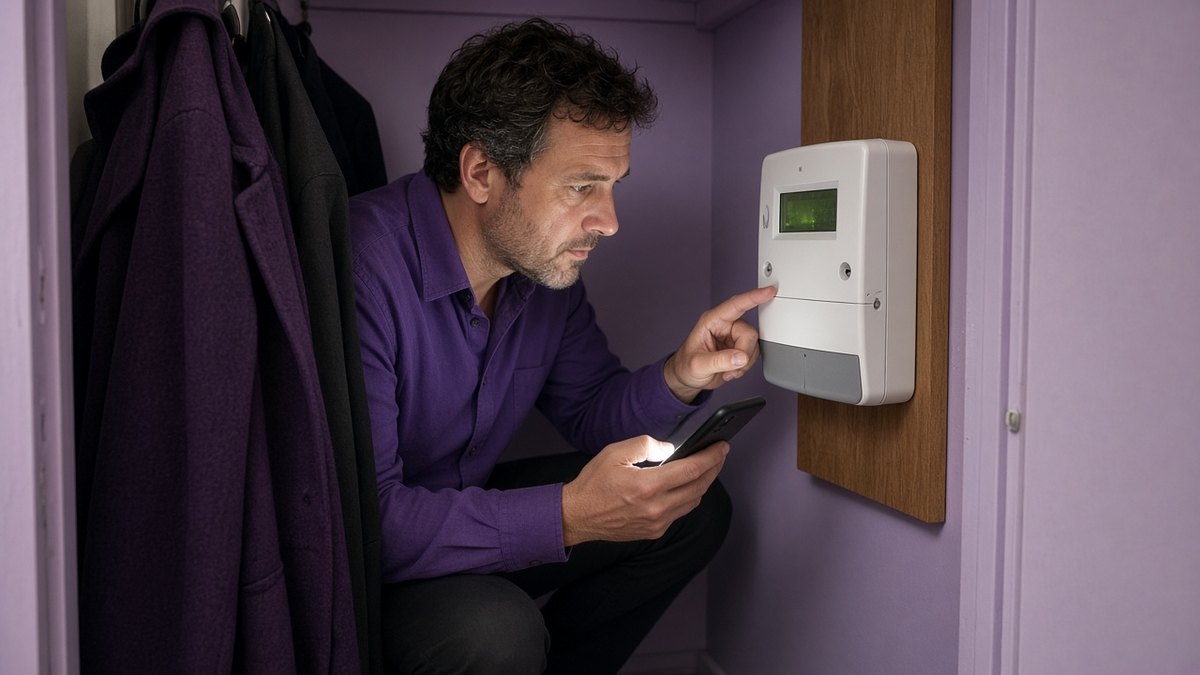
Take a meter reading on or close to 1 January, so the energy you used under the old rates is not charged at the new ones. Our guide to taking a meter reading before the price cap changes walks through it.
1 April 2027: the spring cap
The April to June cap is due to be announced by 23 February 2027. Spring is usually when heating use falls, so the change on your monthly bill can feel smaller even if rates move. If your Direct Debit was raised for winter, ask your supplier to review it once you have built up credit. Our Direct Debit recalculation guide explains how suppliers set payments.
1 July 2027: new cap and electricity VAT returns
The July to September cap is due to be announced by 26 May 2027. On the same date, VAT on household electricity in Great Britain goes back to 5%. The Budget extended the temporary cut until July 2027, so household electricity in Great Britain has 0% VAT from 1 October 2026 to 30 June 2027. Northern Ireland stays at 5%, and gas keeps its 5% VAT throughout.
The VAT change applies whichever tariff you are on, fixed or variable. Our VAT on electricity guide explains how it shows on your bill.
Fix your rates for 12 to 24 months before the next cap
- Lock in rates for 12 to 24 months, so quarterly cap changes do not move your unit rates
- £10 SuperSaveClub reward when you complete a purchase, as listed on 1 November 2026
- Main limitation: exit fees can apply if you leave a fixed deal early
1 October 2027: the winter cap
The October to December 2027 cap starts the winter quarter. Ofgem had not published the announcement date for it as of 1 November 2026. Based on the usual timetable, expect it in late August, about five weeks before. This is the quarter when most homes use the most gas, so it is the cap that moves annual bills most.
Gas standing charge removal: date still to be set
GOV.UK says the gas standing charge, around £108 a year on a typical bill, will be removed and its costs moved onto the unit rate. Ofgem will deliver this in 2027 or as soon as possible after. It is likely to land alongside a quarterly cap change, but no date has been named. About 60% of households with a gas account could save around £45 a year on average, while high gas users may pay more. Our gas standing charge 2026 page has the rates, and our guide to who saves when the gas standing charge is removed shows the gain or extra cost by yearly gas use.

Fit summary
On a standard variable tariff: every date in this calendar changes your rates. Compare before each announcement.
Fixed into 2027: note your end date and compare about 6 weeks before it.
Electricity-only or electric heating: plan for the VAT change on 1 July 2027.
Council Tax bands A to D in England: look out for the £100 payment from January 2027.
Not sure which dates apply to you? Ask Squid AI, SwitchSquid’s assistant, with your tariff end date.
Important conditions
Cap figures and rates are Ofgem’s, as listed on 1 November 2026. The cap is an average, and rates vary by region and payment method.
The price cap does not cover fixed tariffs, business energy, heat networks or oil.
The £100 Household Energy Payment applies to Council Tax bands A to D in England.
The gas standing charge removal date is still to be set by Ofgem.
Announcement dates can come earlier than Ofgem’s published deadlines.
Final decision card
Put 1 January, 1 April, 1 July and 1 October 2027 in your diary, along with the announcement five weeks before each. The cap is £1,723 a year for a typical home until 31 December 2026, as listed on 1 November 2026. Main limitation: nobody outside Ofgem knows the 2027 figures yet, so compare fixed deals before each change rather than after it.
Electricity-only home? Compare before VAT returns
- Fixed and variable electricity-only tariffs for homes without gas
- Earn £10 when you switch with SuperSaveClub, as listed on 1 November 2026
- Main limitation: the VAT change from 1 July 2027 applies on every tariff
FAQ
When does the energy price cap change in 2027?
The cap changes on 1 January, 1 April, 1 July and 1 October 2027. Each cap runs for three months. Ofgem announces each one about five weeks before it starts.
When will the January 2027 price cap be announced?
Ofgem is due to announce it by 25 November 2026. It applies from 1 January to 31 March 2027. The following announcements are due by 23 February and 26 May 2027.
Does the price cap affect fixed energy deals?
No. Ofgem’s cap covers standard variable and default tariffs. A fixed tariff keeps the rates in your contract until it finishes, although VAT changes still apply.
When does VAT on electricity go back up?
GOV.UK says the cut was extended until July 2027. Household electricity in Great Britain has 0% VAT from 1 October 2026 to 30 June 2027, then 5% from 1 July 2027. Northern Ireland stays at 5%.
Who gets the £100 Household Energy Payment?
Households in Council Tax bands A to D in England, from January 2027. If you pay Council Tax by Direct Debit, it should be paid automatically. Otherwise your council will invite you to apply.
When will gas standing charges be scrapped?
The Government says Ofgem will deliver it in 2027 or as soon as possible after. No exact date has been set. The cost will move onto the gas unit rate.
Should I take a meter reading when the cap changes?
Yes. A reading on or close to the change date makes sure the energy you used before is charged at the old rates. Smart meters should send readings automatically, but it is worth checking they are working.
Questions about switching? Ask Squid AI
Squid AI explains the price cap, tariffs and switching in plain English, then points you to the comparison.
- Save energy and moneyLearn when a fixed deal beats the price cap.
- Save timeAnswers in seconds, no forms or sign-up.
- Plain answersNo jargon, no sales calls, free to use.