Wholesale Energy: ~40%
What suppliers pay on gas and electricity markets. The largest component. Driven by global gas prices, Middle East conflict, and LNG supply.
Find out how the Ofgem price cap works, what the current rates are, and how to secure a better deal.
Find out how the Ofgem price cap works, what the current rates are, and how to secure a better deal.
As well as the big names you know, we help you discover new brands that can offer you more.
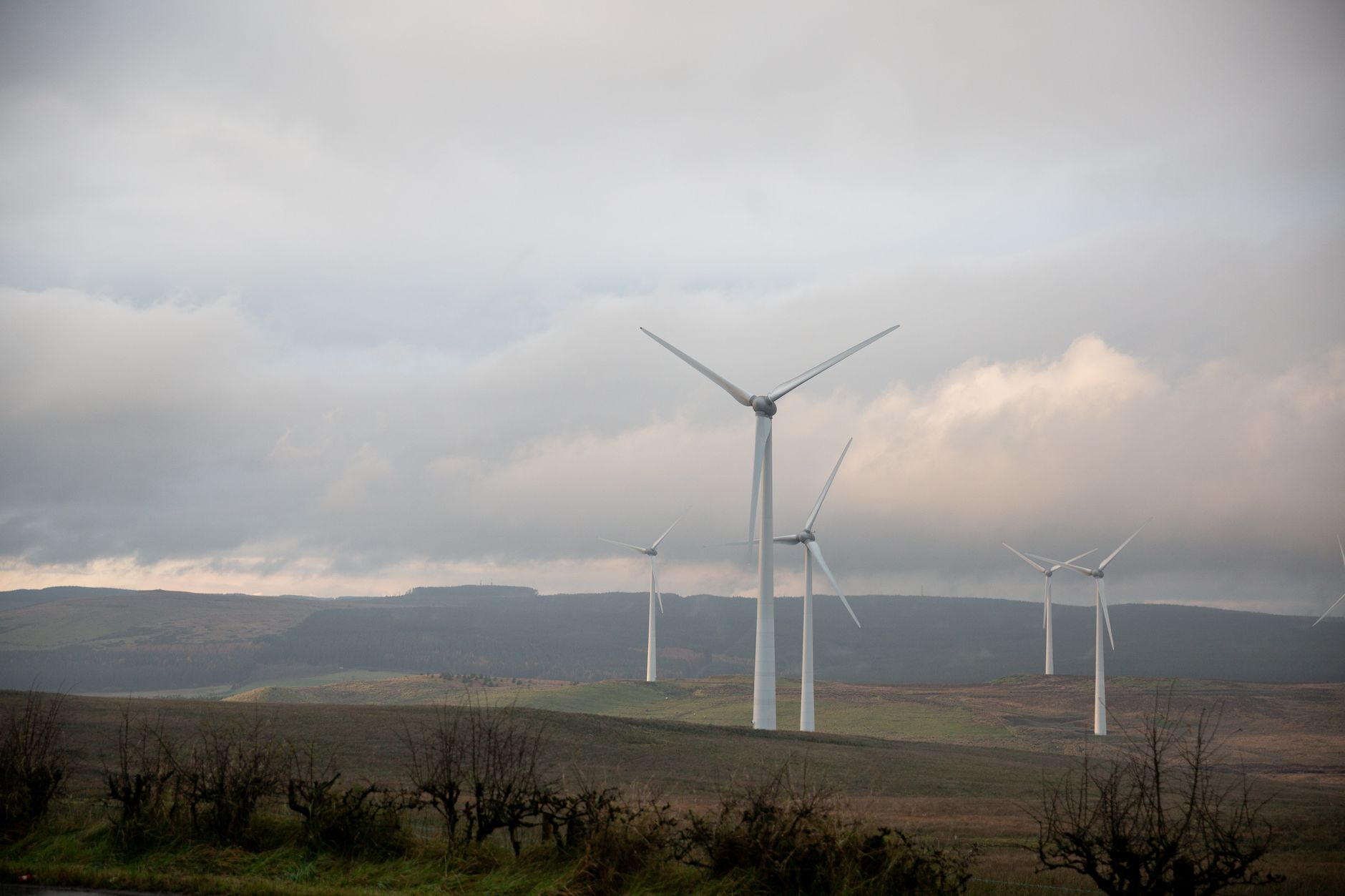
The cap protects some customers on some tariff types: but not all. Know where you stand.
Ofgem reviews and updates the price cap every three months. Figures are for a typical dual-fuel household paying by monthly Direct Debit.
No change from previous quarter. Stable wholesale markets.
▲ +0.2% (+£3). Minor cost adjustments. Broadly stable.
▼ −6.6% (−£117). Green levy removal + wholesale fall. LIVE.
▲ +18% (+£288) est. Middle East conflict driving wholesale surge. Fix now.
Maximum rates suppliers can charge on default variable tariffs from 1 April to 30 June 2026. Includes 5% VAT. National averages for England, Scotland, and Wales.
← Swipe to see all columns →
Different customer types have different levels of protection under the Ofgem framework.
Fully protected at the lowest available capped rate. Monthly Direct Debit is the cheapest payment method under Ofgem.
Fully covered. Since April 2024, PPM rates have been broadly aligned with Direct Debit rates, closing the longstanding gap.
Covered but at a slightly higher rate, typically £1,772 on typical usage versus £1,641 for Direct Debit.
Not directly subject to the cap. Your rates are fixed at the level agreed when you signed up, this can work for or against you.
Not covered. Business energy tariffs operate entirely outside the Ofgem price cap framework. Separate comparison needed.
What suppliers pay on gas and electricity markets. The largest component. Driven by global gas prices, Middle East conflict, and LNG supply.
Maintaining pipes, wires, and grid infrastructure across the UK. Driven by Ofgem RIIO-3 framework and grid upgrade investment.
Billing, metering, customer service, and smart meter operations. Driven by supplier efficiency and smart meter rollout pace.
ECO scheme, Warm Home Discount, and social obligations. From April 2026, the Government moved the ECO levy off household bills into general taxation, reducing this component and contributing to the Q2 2026 cap fall.
Applied to all domestic energy at a flat 5% rate. Government VAT rate — currently lower than the standard 20% rate.
The allowed return for energy suppliers under the Ofgem regulatory framework. The smallest component of your bill.
← Swipe to see all columns →
The cap is not a ceiling on your bills: and it is not the lowest rate available. Use these six strategies to pay less.
Fixed deals sit outside the cap and can be cheaper, especially now. Locking in a competitive fixed rate today could save hundreds before July.
Smart meters eliminate estimated bills and enable time-of-use tariffs. Shift appliances to cheaper off-peak periods.
The cap controls your rate, not your usage. Lower thermostat by 1°C, draught-proof, shift appliances off-peak. Save £200–£400/year.
If you pay by standard credit, switching to monthly Direct Debit typically saves £100–£150 per year on equivalent usage.
Warm Home Discount, Cold Weather Payment, Winter Fuel Payment, and Household Support Fund are available to qualifying households.
Set a reminder for 49 days before your fixed deal expires, switch without exit fees and secure your next competitive tariff.
The energy price cap is a limit set by Ofgem on the maximum amount suppliers can charge per unit of gas and electricity on default variable tariffs. It is reviewed every three months and applies to approximately 19 million UK households. It does not cap your total bill — only the unit rate and standing charge.
With the July 2026 cap forecast to rise by up to 18%, there has never been a better time to compare tariffs. Switch's free comparison covers every major UK supplier and takes under 5 minutes.