
Last updated: Sunday 13 September 2026 (Europe/London).
Answer first (13 Sep 2026): Your energy supplier is named on your latest bill or app; if you have neither, use the Meter Point Administration Service with your postcode and address, then confirm on the energy hub before you switch.
Compare home energy deals
- MoneySuperMarket residential gas & electricity journey
- Enter your postcode and usage for live quotes
- Household switch path only — not business energy
Your energy supplier is the company named on your latest gas or electricity bill, or the provider your regional network operator lists when you search by postcode. Most people identify their current provider in under 5 minutes using one of three details: a recent bill, a postcode, or a meter number. This guide covers every method that works in 2026, whether you rent, just moved in, or haven't checked your energy account in years. Searches for this question spike every year around house-move season, so the steps below stay useful no matter when you're reading this.
Got an energy question?
Ask Squid AI about the price cap, fixing and exit fees in plain English, then compare tariffs for your postcode. Free, no sign-up.
If the button doesn't open the chat, tap the purple Squid AI chat bubble in the bottom corner, or Ask Squid AI in the top menu.
Why Knowing Your Supplier Matters
Knowing who supplies your gas or electricity matters most when something goes wrong: a power cut, an unexpectedly high bill, or a meter fault. Your supplier, not your network operator, handles billing disputes, meter faults, and account changes, so contacting the wrong company wastes time during an emergency. Renters and new homeowners need this information to set up an account in their own name and avoid inheriting a previous tenant's debt. Anyone comparing utility suppliers, gas, electricity, or both, also needs their current provider's name and tariff before running an accurate comparison.
Common Reasons People Look This Up
Most searches for a gas or electricity provider fall into 4 categories: moving into a new home, checking a bill that looks wrong, reporting a power cut or gas leak to the right company, and comparing utilities near me before a switch. A smaller group needs the answer for a landlord reference, a mortgage application, or a council tax query, all of which ask for your current supplier's name and account number. Whatever the reason, the same three lookup methods work: a bill, a postcode search, or your smart meter's display.
How to Find Your Energy Supplier in 3 Steps
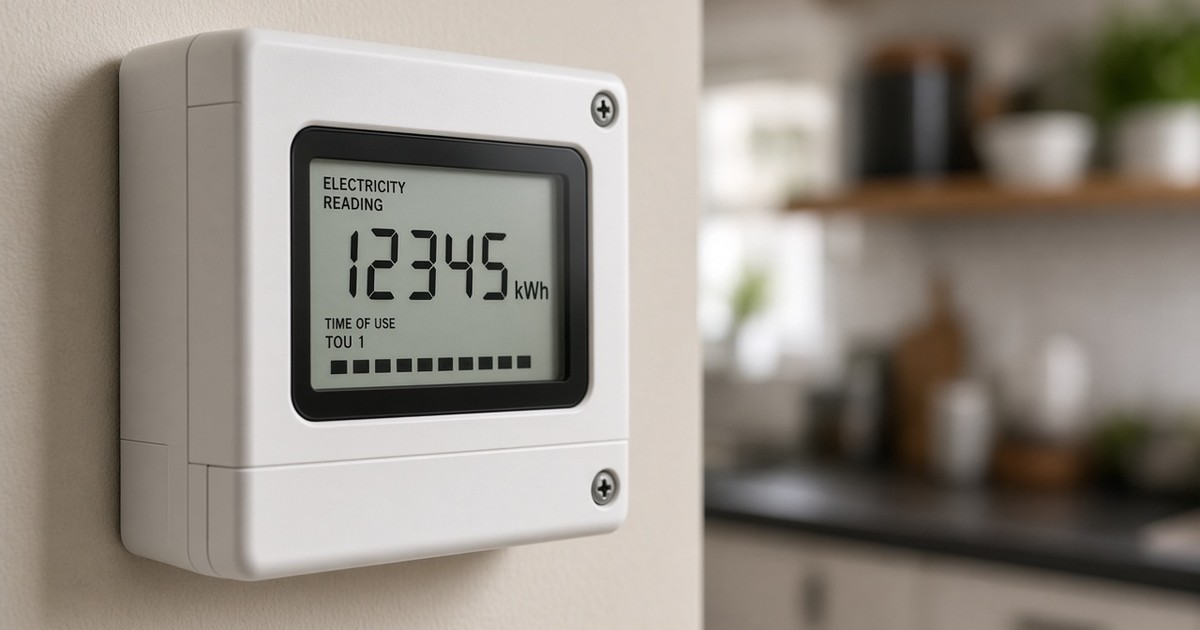
To find your supplier, check these three sources in order: your most recent bill, your email inbox, and your smart meter's in-home display. A bill or statement, paper or email, shows your supplier's name at the top, along with your account number, tariff name, and MPAN (Meter Point Administration Number) or MPRN (Meter Point Reference Number). Search your inbox for "electricity," "gas," or "energy" if you can't find a paper bill. If you have a smart meter, its in-home display unit stores your supplier's details under an account or supplier menu, no bill required.
If none of these apply, and this is the most common gap, use a postcode search through your regional network operator, covered below, to identify your provider without any paperwork.
Who Is My Electricity Supplier?
Your electricity supplier is the company you pay for the power reaching your home, and it's separate from the network operator that owns the cables and wires. (Some people call this company their electric company or electricity provider; the terms mean the same thing.) Fourteen regional network operators, called Distribution Network Operators (DNOs), maintain the physical electricity network across the UK, but none of them sell electricity directly to you. To find your electricity supplier, enter your postcode into your regional DNO's online supplier-lookup tool. Each DNO covers a fixed geographic area, so the tool only works for addresses inside its region. Most portals return your supplier's name within seconds; some post the details to you by letter or email instead, which takes 3 to 5 working days.
If you'd rather skip the region-by-region lookup entirely, Switch's energy comparison tool checks your postcode against the correct network operator automatically and shows your current supplier alongside cheaper tariffs from other providers.
Who Is My Gas Supplier?
Your gas supplier is listed on your gas bill or can be found through a national gas transporter lookup using your postcode or MPRN. (This company is sometimes called your gas company or gas provider.) Unlike electricity, gas supply in Great Britain runs through a single shared network, so you don't need to identify a regional operator first. Enter your postcode into a mains gas supply lookup tool, or call the Meter Number Helpline, to get your current gas provider's name along with your gas transporter and MPRN. If you already have a bill, your gas supplier's name appears in the top corner next to your account number.
What Do MPAN and MPRN Numbers Mean?
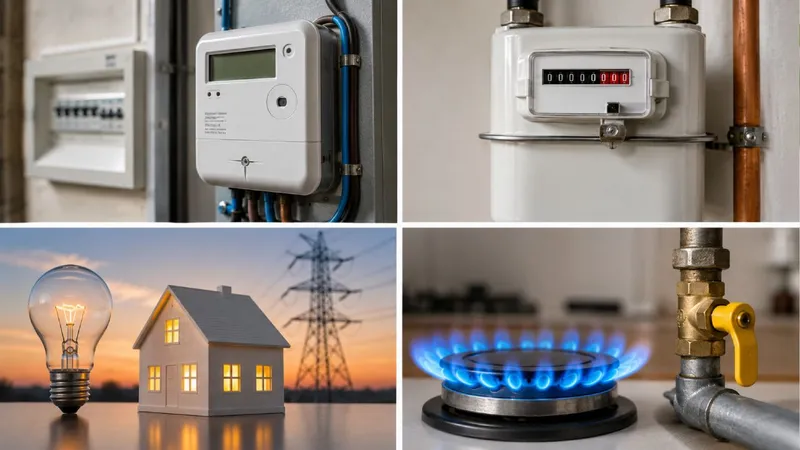
An MPAN (Meter Point Administration Number) identifies your electricity meter, and an MPRN (Meter Point Reference Number) identifies your gas meter. Both numbers stay fixed to the property, not to you, so they don't change when you switch suppliers. Your MPAN is a 13-digit number printed on your electricity bill, usually under a heading like "Supply number." Your MPRN is a 6 to 10-digit number found on your gas bill in a similar spot. Keep both numbers handy: energy companies ask for them to confirm your address instantly instead of manually searching for your property.
For a full breakdown, see Switch's guide to MPAN and MPRN numbers.
Compare home energy deals
- MoneySuperMarket residential gas & electricity journey
- Enter your postcode and usage for live quotes
- Household switch path only — not business energy
Dual Fuel: Who Supplies My Gas and Electricity Together?
Yes, one supplier can provide both your gas and electricity under a single dual fuel tariff, but you still need to confirm each fuel separately. Gas and electricity supply records sit in different systems, so a shared name on paper doesn't guarantee a true dual fuel account. Check your MPAN and MPRN against your supplier's account portal, or look for one combined bill instead of two, to confirm you're on dual fuel. Households on dual fuel tariffs typically save £30 to £50 a year in standing charges compared with running two separate single-fuel accounts, and managing one login instead of two also cuts admin time.
I've Just Moved In. How Do I Find Out Who Supplies My Gas and Electric?
To find your supplier after moving in, ask your landlord, letting agent, or the previous occupant first, since they usually know the account details already. If that's not possible, wait 5 to 10 days for a letter addressed to "The Occupier," which most suppliers send automatically once a move is registered. Without either option, run a postcode search for both your gas and electricity provider the same day you move in, then take a meter reading immediately. You're automatically placed on the property's existing "deemed" contract until you switch, and deemed rates run 10% to 15% higher than a supplier's standard tariff, so switching early saves money.
How to Check Your Supplier by Postcode
To check your gas or electricity provider by postcode, use your regional DNO's lookup tool for electricity and a national gas transporter tool for gas, since one postcode search doesn't cover both fuels. Enter your full postcode, not just the outward code, for an accurate match. Results return your current supplier's name, your MPAN or MPRN, and sometimes your tariff type. If your postcode search returns no result, the property may be newly built or recently reconnected; contact the network operator directly in that case.
The Energy Networks Association maintains a directory of every regional network operator if you're unsure which one covers your address.
What to Do Once You Know Who Supplies Your Energy
Once you've identified your current provider, compare its tariff against the wider market before your next bill arrives. Energy prices change every quarter under Ofgem's price cap, so a company that was competitive last year may not be now. Switch compares gas and electricity deals from providers across the UK in under 2 minutes, using only your postcode and current tariff name, no login required. If you find a cheaper deal, switching takes 3 weeks on average and runs with zero supply interruption, since your new supplier handles the transfer with your old one directly.
If a dispute comes up during or after a switch, Citizens Advice offers free, independent guidance on your rights as an energy customer.
What Happens to Your Bill When You Move or Switch
On the day you move out, take a final meter reading and send it to your old supplier within 48 hours to avoid an estimated, and often inflated, closing bill. Take a second reading on your first day in the new property and send it to whichever supplier serves that address, even before you've decided whether to switch. When you switch suppliers instead of moving house, your old provider sends a final bill within 6 weeks, covering usage up to the exact switch date, and any credit balance gets refunded automatically within 10 working days.
Other Utility Suppliers Worth Checking
Gas and electricity aren't the only utilities tied to a specific provider at your address. Water supply in England and Wales comes from a single regional company with no option to switch, but you can still look up which one serves you by postcode. Broadband and mobile networks work differently: multiple providers usually compete for the same address, so checking coverage and price is worth doing at the same time you check your energy account. If you're reviewing your household utility suppliers as a group, a home move or a renewal date is the easiest time to compare all of them at once instead of one at a time.
Compare home energy deals
- MoneySuperMarket residential gas & electricity journey
- Enter your postcode and usage for live quotes
- Household switch path only — not business energy
FAQs
How do I find out who my energy supplier is?
Check your latest bill, your email inbox, or your smart meter's in-home display first. If none of those show a result, search your postcode through your regional network operator's supplier lookup tool for electricity and a gas transporter tool for gas.
Is my energy supplier the same as my network operator?
No, your supplier and your network operator are two different companies. Your supplier bills you and sets your tariff; your network operator owns and maintains the pipes or cables that physically deliver your gas or electricity, and you can't choose or switch your network operator.
Can I find my gas supplier by postcode?
Yes, you can find your gas supplier using your postcode through a national gas transporter lookup tool. The result also shows your MPRN and the transporter responsible for your local gas pipeline, so you get 3 pieces of information from a single search.
What's the difference between an energy supplier and an energy provider?
There's no difference; "energy supplier" and "energy provider" describe the same company. Both terms refer to the business that bills you for the gas or electricity you use, as opposed to the network operator that delivers it.
Do gas and electricity always come from the same supplier?
No, gas and electricity don't always come from the same supplier. Many households run separate providers for each fuel unless they've specifically chosen a dual fuel tariff, which bundles both under one company and one bill.
How long does it take to find my energy supplier?
Finding your energy supplier takes under 5 minutes using a postcode search, or up to 10 days if you're waiting for a change-of-occupier letter after moving in. A recent bill or smart meter display gives an instant answer with no wait at all, which makes it the fastest of the 3 methods.
Can I switch suppliers as soon as I find out who mine is?
Yes, you can switch suppliers immediately after identifying your current one, with no minimum waiting period. Most switches complete within 3 weeks, and your electricity or gas supply continues without interruption throughout the process.
Refresh note 13 Sep 2026: October dual-fuel DD typical illustration is £1,723 — re-check any older pound figures in the FAQ against Ofgem.
Questions about switching? Ask Squid AI
Squid AI explains the price cap, tariffs and switching in plain English, then points you to the comparison.
- Save energy and moneyLearn when a fixed deal beats the price cap.
- Save timeAnswers in seconds, no forms or sign-up.
- Plain answersNo jargon, no sales calls, free to use.