

Compare energy deals in Liverpool: households could save up to £400/year by switching to a fixed deal.
Compare Energy Deals Liverpool
Compare energy deals in Liverpool: households could save up to £400/year by switching to a fixed deal.
Suppliers We Compare
As well as the big names you know, we help you discover new brands that can offer you more.
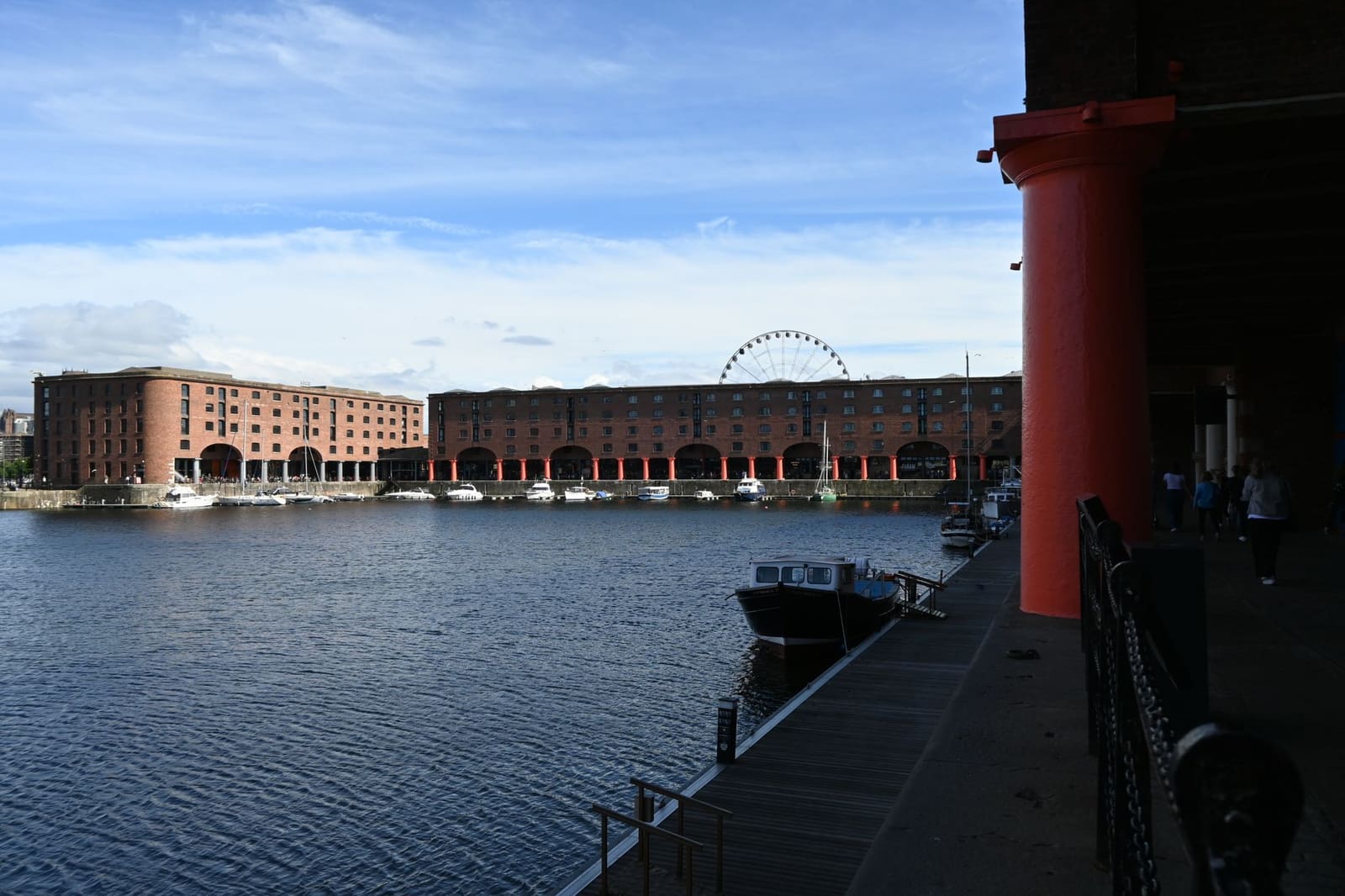
Liverpool Energy Market: What You Need to Know
North West Q2 2026 Rates
28.45p
Electricity unit rate
Max per kWh, above UK average
5.89p
Gas unit rate
Max per kWh, near UK average
52.22p
Electricity standing charge
Max per day
35.23p
Gas standing charge
Max per day
How Much Could You Save on Energy Deals in Liverpool?
Based on Ofgem Q2 2026 unit rates. Switch applies your actual postcode and usage for a precise figure.
1-bed flat / single (~£935/yr SVT)
Save £80 to £150/year by switching to a competitive fixed deal.
2 to 3 bed / couple (~£1,641/yr SVT)
Save £150 to £280/year. The most common Liverpool household type.
3 to 4 bed family home (~£2,460/yr SVT)
Save £250 to £400/year. Higher usage means higher absolute savings.
Electricity only (~£820/yr SVT)
Save £60 to £130/year. Important for the ~14% of Liverpool homes without gas.
How to Find & Switch to Energy Deals in Liverpool: 5 Steps
Under 5 minutes. Supply never interrupted. You never contact your old supplier.
Enter Your Postcode
Determines your North West zone rates. All Liverpool postcodes covered.
Add Your Usage
Annual kWh from any recent bill. No bill? Switch estimates from your home size.
Compare Live Deals
Results ranked by true annual cost. Filter by fixed, variable, green, or prepayment.
Choose & Confirm
Select your deal and set up direct debit. Switch notifies your old supplier.
Switch in 5 Working Days
Energy Switch Guarantee. Your old supplier issues a final bill, any credit refunded within 14 days.
Is energy cheaper in the North West than the national average?
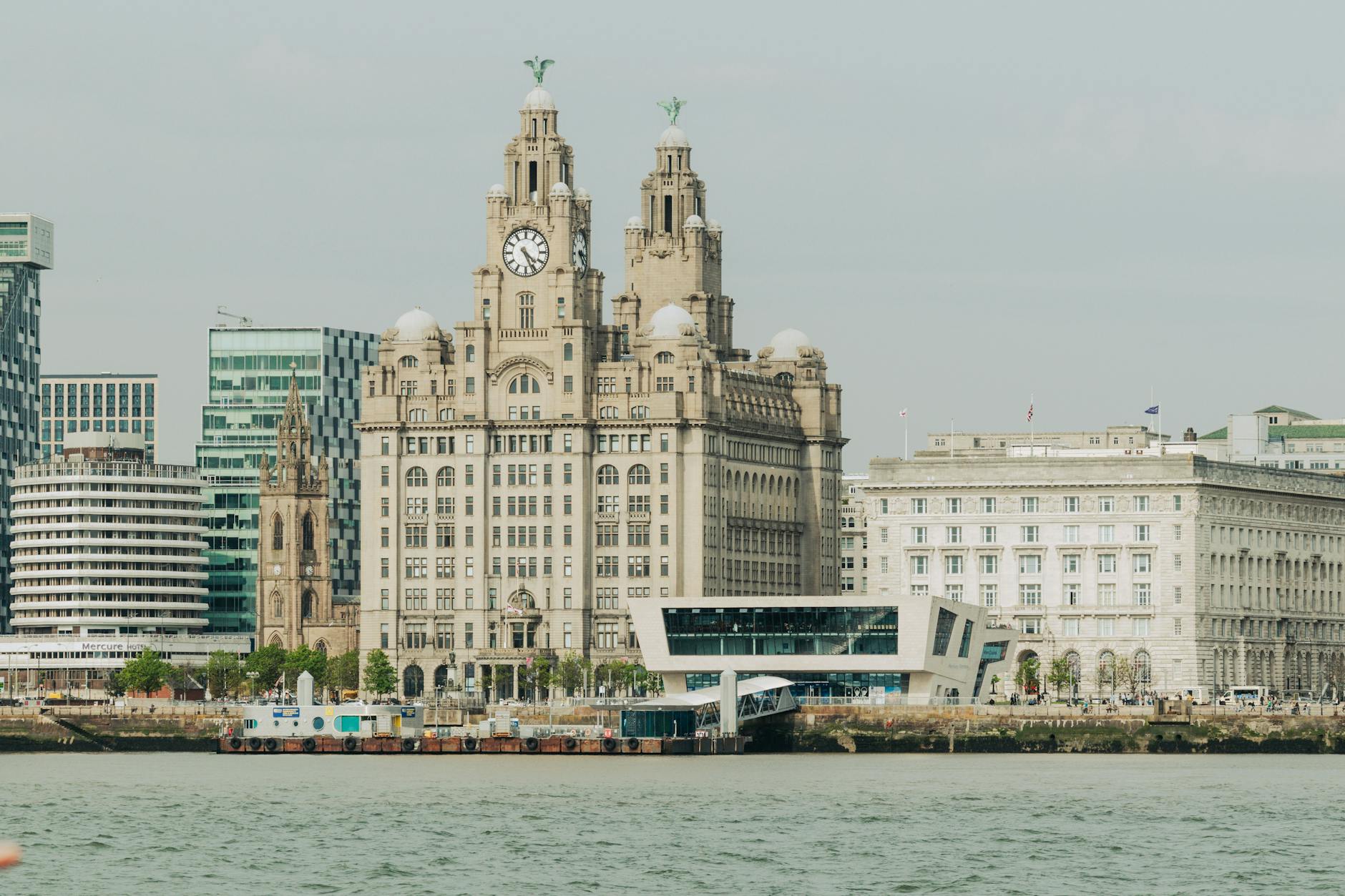
Liverpool-Specific Energy Advice
Why Compare Energy Deals in Liverpool with Switch?
Seven reasons Liverpool households trust Switch for their energy comparison.
Whole-of-market comparison
Every Ofgem-licenced supplier at your postcode included, no supplier excluded from results.
Liverpool-accurate results
Your postcode pulls correct North West regional unit rates, not national averages.
Under 5 minutes
From postcode entry to confirming your new deal takes less than 5 minutes.
100% free and independent
Switch is not owned by any supplier. Results ranked by what is cheapest for you.
Full Ofgem protection
Energy Switch Guarantee, 14-day cooling-off, £40 compensation if switch exceeds 5 days.
Green tariff options
Filter for 100% renewable electricity matched kWh-for-kWh with wind, solar, or hydro.
Expert help
Call 01926 942125 for free, independent advice, no obligation, no sales pressure.
Frequently Asked Questions: Energy Deals in Liverpool
How do I find the best energy deals in Liverpool?
Enter your Liverpool postcode, current supplier, and annual kWh on Switch. Results show every available tariff ranked by true annual cost using North West rates. Under 5 minutes.
What are the current energy rates in Liverpool?
Will my supply be cut off when I switch?
Should I fix my energy tariff now or wait?
Can Liverpool tenants switch energy supplier?
Compare Energy Deals in Liverpool Now
Switch compares every UK tariff at your Liverpool postcode. Free, independent, takes under 5 minutes. Call 01926 942125 for expert help.
Latest from our experts

Letter of authority business energy: what UK SMEs must check before signing
Letter of Authority (LOA) for UK business energy brokers: what it is, risks, commission, how to revoke, 12-month refresh norms. Ofgem does not license TPIs.

Cheapest electricity only deals UK: Ofgem rates vs single-fuel quotes (Sep 2026)
Electricity only UK on 14 Sep 2026: dual-fuel cap £1,723 is not single-fuel. Computed typical ~£858.13 at 2,500 kWh from Ofgem 26.32p + 54.83p/day (Oct–Dec).

Plusnet broadband deals UK 2026: Full Fibre Year-1 cash from plus.net
Plusnet broadband deals UK on 14 Sep 2026: Full Fibre from £21.99×6 then £25.99 (£287.88 Y1). Openreach, Reward Cards to 8 Oct not netted, mid-contract rises printed.

No credit check SIM only UK: cheapest rolling deals ranked (September 2026)
No credit check SIM only UK on 14 Sep 2026: SMARTY & giffgaff from £6 (£72/yr); SMARTY 40GB £10; VOXI £10 promo 60GB to 30 Sep. Own-shop ranks only.

Deemed business electricity rates UK: leave the default, join contracted averages
Deemed business electricity rates UK explained: no domestic price cap, COT traps, WeSave Sep 2026 contracted averages as the escape benchmark. Switch via business-energy hub.

Octopus Agile tariff UK 2026: half-hourly power vs the £1,723 October cap
Octopus Agile tariff UK 2026 explained vs Ofgem Oct–Dec £1,723 dual-fuel cap. Half-hourly rates, 100p Price Cap Protect, who it suits — no invented Agile £/year.

Hyperoptic broadband deals UK: Year-1 cash from hyperoptic.com (September 2026)
Hyperoptic broadband deals UK on 13 Sep 2026: 500Mb from £17/mo (~£204 Y1), 150Mb from £19, 1Gb rolling £29. April £4 rises and up to £300 ETF credit explained.

200GB SIM only deals UK: ranked by 12-month cash (September 2026)
Cheapest labelled 200GB SIM-only deals UK on 13 Sep 2026: iD Mobile 12-month £147 cash leads; SMARTY Classic £17. Own-shop ranks only — Talkmobile 200GB not on shop.