

How much could you save by switching energy tariff? Use our free UK energy savings calculator to find out in under 60 seconds: no personal data required.
Updated for 2025 Ofgem Price Cap · No personal data required · Ofgem unit rates pre-filled · Results in under 60 seconds
Energy Savings Calculator UK
How much could you save by switching energy tariff? Use our free UK energy savings calculator to find out in under 60 seconds: no personal data required.
Updated for 2025 Ofgem Price Cap · No personal data required · Ofgem unit rates pre-filled · Results in under 60 seconds

How Does the Energy Savings Calculator Work?
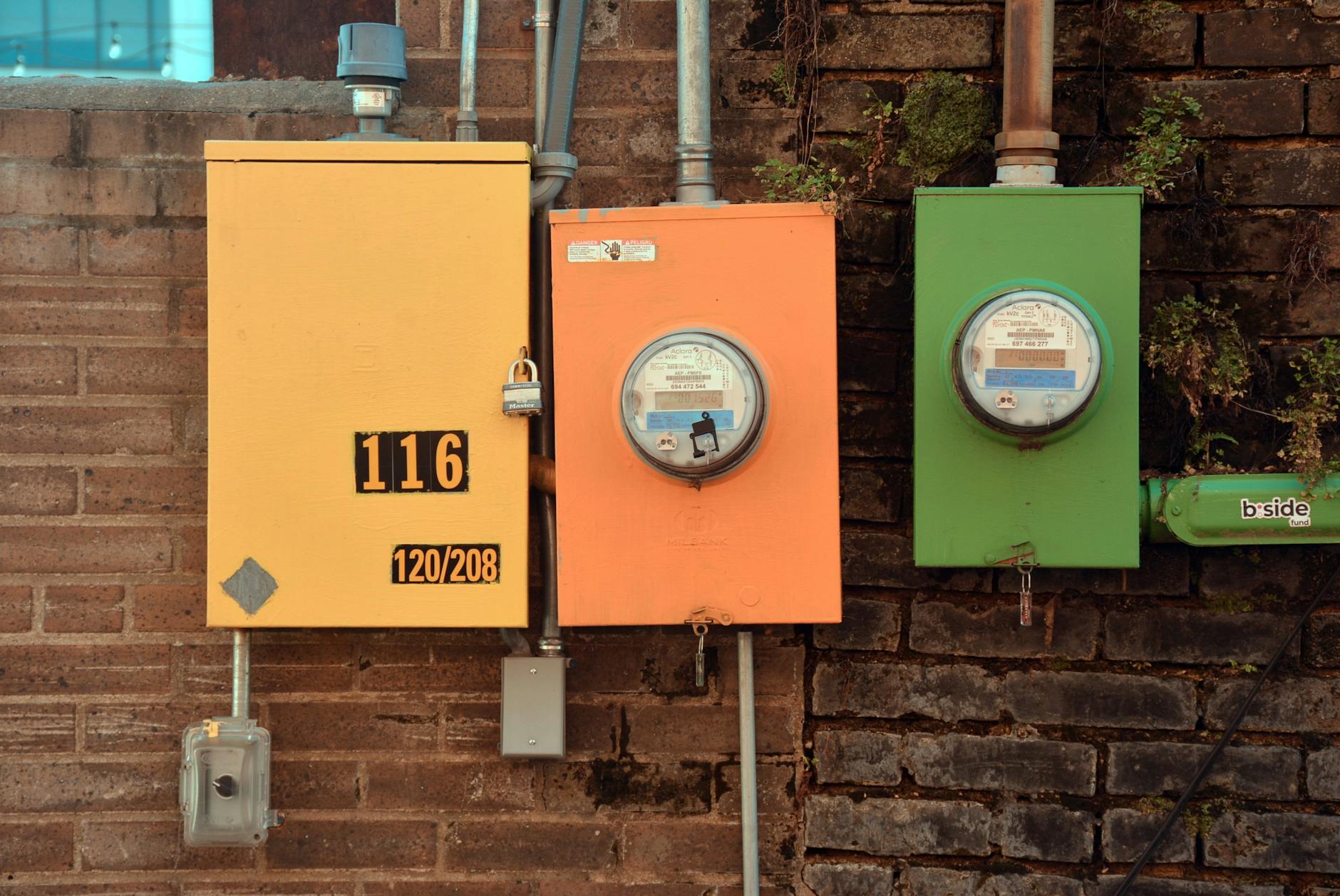
Where Do I Find My Current Unit Rates?
2025 Ofgem Price Cap Reference Rates
Pre-filled defaults used in the calculator. Updated each quarter when Ofgem announces new rates.
When Should You Switch Energy Supplier?
Switching energy supplier is worth considering in several key situations.

You're on a Standard Variable Tariff (SVT)
If your fixed-rate deal has ended and you have rolled onto your supplier's default tariff, you are likely paying at or near the Ofgem price cap. This is often the most expensive option and there is no exit fee, so you can switch at any time.

Your Fixed Deal Expires Soon
Energy deals usually lock in a unit rate for 12–24 months. You can typically switch 49 days before expiry without paying an exit fee. Set a reminder and compare deals before rolling off your fixed tariff.

Cheaper Deals Are Now Available
The energy market changes regularly. When wholesale prices fall, suppliers offer deals below the price cap. Use our calculator regularly to check whether a better rate is now available.
Understanding UK Energy Unit Rates
Ofgem Typical Domestic Consumption Values (TDCV)
Used as default inputs when you don't have your exact usage to hand.
← Swipe to see all columns →
Energy Savings Calculator: Frequently Asked Questions
Will switching energy suppliers affect my supply?
No. Switching energy supplier does not interrupt your gas or electricity supply. The same pipes and cables deliver energy to your home regardless of who bills you. The switch usually takes 5–15 working days to complete administratively.
Are there any exit fees for switching?
How accurate is this energy savings calculator?
Does this calculator include the Energy Price Guarantee or government schemes?
Can I use this calculator for a business energy comparison?
How does an energy savings calculator work?
How much can I realistically save by switching energy supplier?
What is the Ofgem price cap and does it affect fixed deals?
How often should I use an energy savings calculator?
Is Switch's energy savings calculator free to use?
Ready to See How Much You Could Save?
Join thousands of UK households who've switched with Switch and are paying less right now. Use our free calculator, no personal data required, takes under 60 seconds, no obligation.
Latest from our experts

Letter of authority business energy: what UK SMEs must check before signing
Letter of Authority (LOA) for UK business energy brokers: what it is, risks, commission, how to revoke, 12-month refresh norms. Ofgem does not license TPIs.

Cheapest electricity only deals UK: Ofgem rates vs single-fuel quotes (Sep 2026)
Electricity only UK on 14 Sep 2026: dual-fuel cap £1,723 is not single-fuel. Computed typical ~£858.13 at 2,500 kWh from Ofgem 26.32p + 54.83p/day (Oct–Dec).

Plusnet broadband deals UK 2026: Full Fibre Year-1 cash from plus.net
Plusnet broadband deals UK on 14 Sep 2026: Full Fibre from £21.99×6 then £25.99 (£287.88 Y1). Openreach, Reward Cards to 8 Oct not netted, mid-contract rises printed.

No credit check SIM only UK: cheapest rolling deals ranked (September 2026)
No credit check SIM only UK on 14 Sep 2026: SMARTY & giffgaff from £6 (£72/yr); SMARTY 40GB £10; VOXI £10 promo 60GB to 30 Sep. Own-shop ranks only.

Deemed business electricity rates UK: leave the default, join contracted averages
Deemed business electricity rates UK explained: no domestic price cap, COT traps, WeSave Sep 2026 contracted averages as the escape benchmark. Switch via business-energy hub.

Octopus Agile tariff UK 2026: half-hourly power vs the £1,723 October cap
Octopus Agile tariff UK 2026 explained vs Ofgem Oct–Dec £1,723 dual-fuel cap. Half-hourly rates, 100p Price Cap Protect, who it suits — no invented Agile £/year.

Hyperoptic broadband deals UK: Year-1 cash from hyperoptic.com (September 2026)
Hyperoptic broadband deals UK on 13 Sep 2026: 500Mb from £17/mo (~£204 Y1), 150Mb from £19, 1Gb rolling £29. April £4 rises and up to £300 ETF credit explained.

200GB SIM only deals UK: ranked by 12-month cash (September 2026)
Cheapest labelled 200GB SIM-only deals UK on 13 Sep 2026: iD Mobile 12-month £147 cash leads; SMARTY Classic £17. Own-shop ranks only — Talkmobile 200GB not on shop.