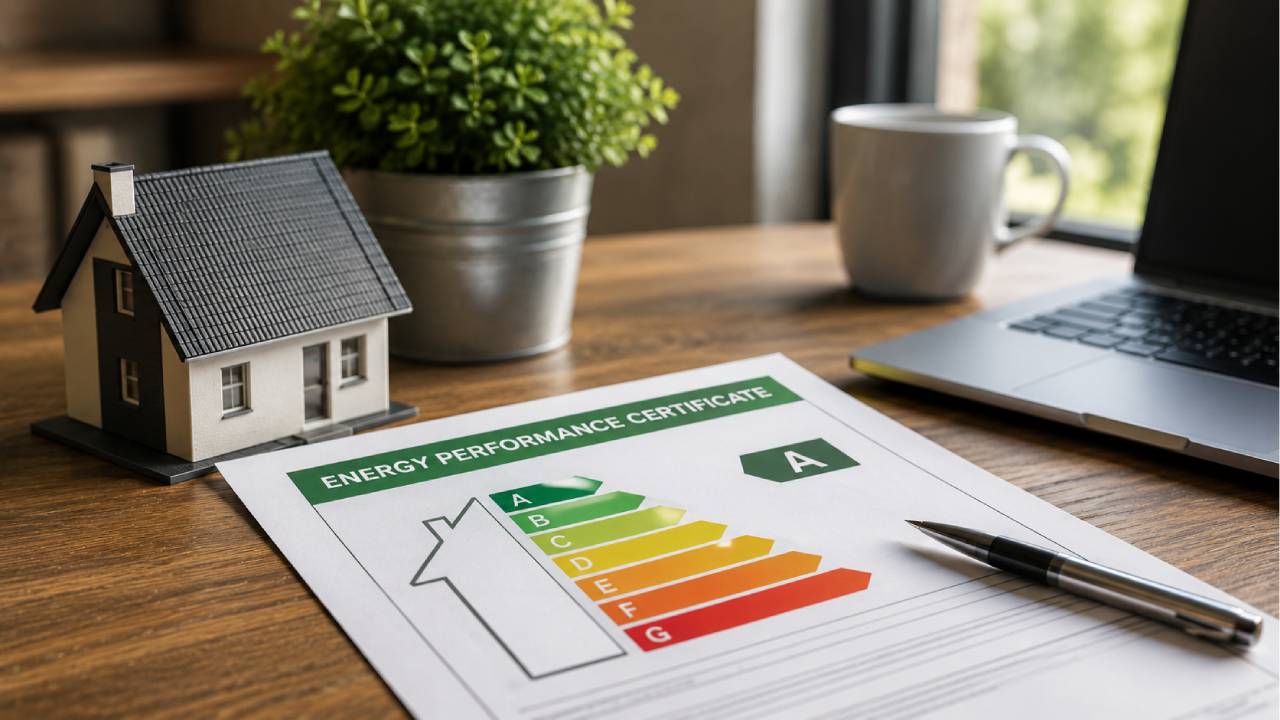
Ofgem's energy price cap rises 13.5% from 1 July 2026, taking the typical dual fuel Direct Debit household from £1,641 to £1,862 a year. Ofgem confirmed the increase on 27 May 2026, and it is the steepest quarterly rise in over two years. The cause is wholesale gas prices, which climbed sharply on supply concerns tied to the conflict in the Middle East.
The important nuance most articles skip: £1,862 is not what you will actually pay. It is a modelled figure based on typical use. Your real bill depends on your own consumption, your payment method, and whether you switch or fix before the change lands. This guide breaks down the new rates, what they mean for different types of home, and a clear framework for deciding whether to fix now or ride out the cap.
What actually changes on 1 July 2026
The price cap does not limit your total bill. It limits the unit rates and standing charges that suppliers can charge on a standard variable tariff. Use more energy than the typical household and you will pay more than £1,862; use less and you will pay less.
Ofgem resets the cap every three months. The rates below apply from July to September 2026 and reflect wholesale gas and electricity prices from earlier in the year. Around 60% of households in Great Britain sit on capped variable tariffs, so this increase reaches most of the country automatically, with no action needed and no action expected by suppliers.
New energy price cap rates for July 2026, compared to now
Great Britain average rates for Direct Debit customers, including VAT. Exact figures vary slightly by region.
Rate | Apr to Jun 2026 (current) | Jul to Sep 2026 (new) | Change |
Electricity unit rate | 24.67p/kWh | 26.11p/kWh | +5.8% |
Electricity standing charge | 57.21p/day | 57.19p/day | -0.03% |
Gas unit rate | 5.74p/kWh | 7.33p/kWh | +27.7% |
Gas standing charge | 29.09p/day | 29.04p/day | -0.2% |
Typical annual bill (dual fuel) | £1,641 | £1,862 | +13.5% |
Notice the imbalance: gas unit rates jump almost 28%, electricity rises about 6%, and standing charges barely move. This is a gas price story more than an electricity one, and that changes how hard the rise hits depending on how you heat your home.
What the rise really costs YOUR home, not the average one
Because the increase is concentrated in gas, your actual increase depends heavily on your heating type. Three worked examples at the new July rates:
Gas heated family home (3,100 kWh electricity, 14,000 kWh gas): gas costs rise from £804 to £1,026 and electricity from £765 to £810, a total increase of around £267 a year, well above the 13.5% headline.
Typical household (2,700 kWh electricity, 11,500 kWh gas): this is the textbook case Ofgem uses, costing around £221 more a year and matching the £1,641 to £1,862 move.
Electric only flat (2,000 kWh electricity, no gas): units rise from 24.67p to 26.11p, adding roughly £29 a year. This increase mostly passes electric only homes by.
To estimate your own increase, pull the kWh figures from your latest annual statement. Every 1,000 kWh of gas now costs about £15.90 more, and every 1,000 kWh of electricity about £14.40 more, than under today's rates.
Does your payment method change what you pay?
Yes. The £1,862 figure applies to Direct Debit, which gets the lowest capped rates. Prepayment meter rates sit slightly below Direct Debit under current levelisation rules, while standard credit, meaning paying by cash or cheque after a bill arrives, is capped noticeably higher, typically over £100 a year more for typical use. If you are on standard credit and able to move to Direct Debit, that single change usually saves more than most energy saving gadgets combined. Your exact regional rates by payment method are published on Ofgem's unit rates page.
Should you fix your energy tariff in 2026?
A fixed tariff locks your unit rates for 12 to 24 months. The comparison people consistently get wrong is measuring a fix against today's prices instead of the incoming July rates. A fix that looks 5% pricier than your current bill can still be cheaper than what you will pay from 1 July.
A simple rule of thumb
If a fix is priced below the July cap level for your usage, it saves money immediately and protects you from any further rise in October.
If a fix is priced at or slightly above the July level, you are paying for certainty. That trade off is worth it if another rise would strain your budget, and skippable if you can absorb the volatility.
Check exit fees before anything else. A fix with no or low exit fees is a one way bet: you keep the protection if prices climb, and you can leave cheaply if prices fall.
Fixes signed in June are still priced against the old, lower cap for a few more weeks, which makes right now the best window to compare. Run your own usage through a dual fuel comparison, or check gas and electricity deals side by side against the incoming July rates rather than your current bill.
Why standing charges barely moved
Standing charges fund network costs, supplier operating costs, and policy costs, not wholesale energy purchases. Because this rise is driven entirely by wholesale gas, daily charges stay almost flat at 57.19p a day for electricity and 29.04p a day for gas. That is cold comfort if you use very little energy, since standing charges alone total around £315 a year before a single unit is used. It does mean, though, that cutting your consumption reduces your bill at the full new unit rate, with no diminishing returns from the standing charge.
What happens to the cap in October 2026?
Nobody can forecast this reliably, and confident predictions deserve scepticism. The October cap will be set by wholesale prices through the summer, which currently hinge on how the Middle East situation develops. What you can control is choosing between a known fixed price and staying exposed to swings in both directions on a variable tariff. If you do fix, favour tariffs with low or no exit fees so a falling market later does not lock you in.
How to switch before 1 July 2026
Switching supplier takes around five working days and never interrupts your supply. It is the same gas and electricity through the same pipes and wires; only the billing provider changes. If your switch completes after 1 July, you simply pay the old capped rates up to the switch date and the new tariff's rates afterward. Leaving a standard variable tariff carries no penalty at any time.
Pull your annual kWh usage from a recent bill, or use Ofgem's typical figures of 2,700 kWh electricity and 11,500 kWh gas.
Compare tariffs against the incoming July 2026 rates, not today's prices.
Apply through the new supplier. They handle the switch and notify your old provider. Take a meter reading on switch day for your records.

Six things to do before the new rates start
Submit a meter reading on 30 June if you do not have a smart meter. It draws a clean line between units billed at the old rates and the new ones, and is the single most effective way to avoid being over-billed across the change.
Check your Direct Debit level. Suppliers recalculate for new rates slowly. A 13.5% cap rise on a gas heavy home justifies roughly a 13% to 16% Direct Debit increase. Challenge a jump far above that, and expect a balance to build over winter if yours does not move at all.
Reclaim credit you are sitting on. If your account holds more than a month's payment in credit heading into summer, the low usage season, ask for it back rather than lending it to your supplier interest free.
Book a smart meter if you have been putting it off. It unlocks time of use tariffs that consistently beat the cap for EV owners and heavy off peak users, and it ends estimated billing for good.
Run one comparison against your real kWh figures. Ten minutes, once a quarter, against the incoming rates rather than the current ones. Even if the cap still wins this quarter, you will know rather than guess, and you will catch the quarter it stops being true.
Review your other household bills at the same time. A rate change is a natural prompt to check whether your broadband deal and mobile plan are still competitive, since switching all three together often takes less time than people expect.
If you run a business, note that the price cap does not apply to non-domestic supply at all. Business energy contracts are priced and negotiated separately, and the same wholesale pressure makes summer 2026 a sensible time to review yours.
Frequently asked questions
Does the price cap limit my total bill?
No. It limits the unit rates and standing charges, not your total spend. Your bill is rates multiplied by actual usage, so high usage homes pay more than £1,862 and low usage homes pay less.
How do I know if I am on a capped tariff?
If you have never chosen a fixed deal, or a previous fix ended and you did nothing since, you are almost certainly on your supplier's standard variable tariff, which the cap governs. Check your bill or app; anything labelled 'standard' or 'flexible' is capped.
Do all UK regions pay the same rates?
No. The figures in this guide are the Great Britain average. Each of the 14 supply regions has slightly different unit rates and standing charges reflecting local network costs, and your bill shows your exact regional figures.
Does the cap apply if I have a heat pump or an EV?
Yes, the cap applies to standard variable tariffs regardless of what runs on them. But specialist time of use tariffs with cheap overnight rates often beat the cap substantially for EV and heat pump households, so compare green and renewable energy tariffs before defaulting to a standard fix.
Should prepayment customers do anything before 1 July?
Yes, it is worth checking your rates even though the update to your meter is automatic. Prepayment rates change on 1 July too, and topping up beforehand does not avoid the new rate, which applies from the date itself. Prepayment customers can compare and switch exactly like Direct Debit customers.
.jpg)

.jpg)