

Compare dual fuel deals, one supplier, one bill, switch in as little as 5 working days.
Compare Dual Fuel Energy Deals
Compare dual fuel deals, one supplier, one bill, switch in as little as 5 working days.
Suppliers We Compare
As well as the big names you know, we help you discover new brands that can offer you more.
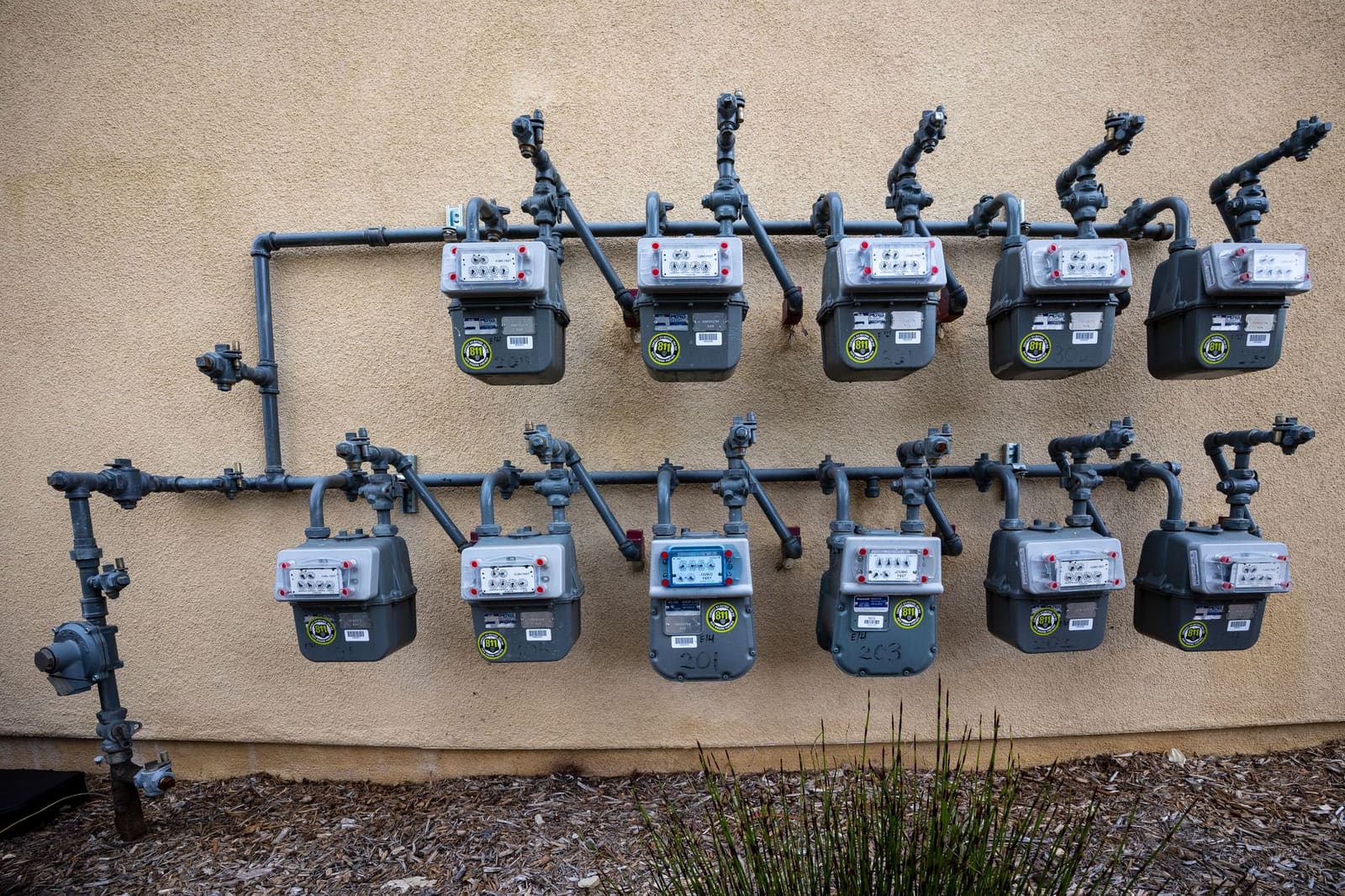
Gas & Electricity From One Supplier: Simplified
5 Reasons UK Households Choose a Dual Fuel Tariff
Whether you're switching for the first time or comparing your renewal options, dual fuel deals remain the most popular choice for UK homes.
One monthly bill
Covering both your gas and electricity. A single point of contact for all queries and complaints.
Potential dual fuel discount
Many suppliers offer a discount for bundling. Always compare to verify the saving at your specific address.
Easier budgeting
One combined statement each month shows total energy spend. Reduces risk of missed payments.
Smart meter ready
See real-time gas and electricity usage on one dashboard, avoid estimated bills, and spot waste.
Fixed, variable, or green
Filter by tariff type to find the deal matching your priorities and risk appetite.
What the Ofgem Price Cap Means for Your Dual Fuel Bill
£1,641/yr
April to June 2026 cap
For typical dual fuel household on Direct Debit
24.5p
Electricity unit rate
Average per kWh under the cap
6.2p
Gas unit rate
Average per kWh under the cap
July rise
Forecast to increase
Fix now to lock in current rates
The Ofgem price cap limits the unit rates and standing charges that suppliers can charge on default variable tariffs, and it is reviewed every quarter, in January, April, July, and October. Crucially, the cap does not limit your total bill, it only limits the rates: if you use more energy than Ofgem's typical consumption figures, your bill will be higher even if your supplier follows the cap to the letter. Under the current cap, the average electricity standing charge is 54.75p per day and the average gas standing charge is 35.09p per day.

Is a dual fuel tariff always cheaper than separate gas and electricity deals?
Which Dual Fuel Tariff Is Right for You?
If you can find a fixed dual fuel deal at or below £1,641/year at your usage level, it offers a sensible hedge against the predicted July rise.
← Swipe to see all columns →
How to Switch Your Dual Fuel Deal in 4 Simple Steps
Under the Energy Switch Guarantee, your switch completes within 5 working days. Your new supplier handles the entire process, so you just enjoy lower bills.
Enter Your Details
Pop in your postcode, current supplier, and approximate annual usage. Have a recent bill to hand. It contains your annual kWh figures and current unit rates for an accurate comparison.
Compare Every Tariff
Switch shows you every available dual fuel deal at your address, ranked by total annual cost. Fixed, variable, tracker, and green options are all displayed with exit fees and contract length clearly shown.
Choose Your Deal
Select the tariff that suits your budget and priorities. Pay attention to the contract length, any exit fees, the unit rates, and whether the deal includes a smart meter or green energy component.
We Handle the Switch
Your new supplier manages the entire switching process. Take a meter reading on switchover day. Your old supplier sends a final bill, and if the switch is not completed within 5 working days you are entitled to automatic compensation under the Energy Switch Guarantee.
Dual Fuel Deals: Frequently Asked Questions
Is dual fuel always cheaper than separate suppliers?
Not always but it can be. Many suppliers offer a small dual fuel discount to customers who bundle both fuels. However, the cheapest overall deal at your address may still be two separate single-fuel tariffs. Switch compares both options side by side so you always see the true cheapest outcome.
How much is the average dual fuel bill in 2026?
Should I fix my dual fuel tariff or stay variable?
Will I pay an exit fee if I switch?
How long does the switch take?
Can I switch if I owe money to my current supplier?
Do I need a smart meter for a dual fuel deal?
Ready to Find Your Best Dual Fuel Deal?
Latest from our experts

Climate Change Levy UK 2026: HMRC rates, reliefs, SME checklist
Climate Change Levy business 2026: HMRC main rates from 1 April 2026 (0.801p/kWh elec & gas), CCA reduced rates, who pays, and SwitchSquid business energy quote CTA.

Split suppliers vs dual fuel UK: when split beats the £1,723 cap path
Split suppliers vs dual fuel cheapest UK with Ofgem Oct–Dec 2026 £1,723 dual-fuel DD context, standing-charge maths, and MoneySuperMarket Awin Compare CTA.

One Touch Switch broadband UK: Ofcom steps, fees, compensation
How One Touch Switch broadband UK works under Ofcom: contact the new provider only, Switching Information, no notice beyond switch date, compensation rules, plus live Awin broadband CTA.

120GB SIM only deals UK 2026: iD £12/mo verified, Talkmobile near-tiers
Retailer-verified 120GB SIM only deals UK as of 18 Sep 2026: iD Mobile £12/mo (£144/year), Talkmobile 100/150GB cash neighbours, SMARTY ladder gaps. Live Awin CTA.

toob home900 £20 CityFibre golden ticket UK (ends 30 Sep 2026)
toob home900 golden ticket: £20/mo → £22 Apr 2027 → £24 Apr 2028 for net-new CityFibre addresses only. 24m, £0 install. Ends 23:59 30 Sep 2026. Nest has 0 toob products — honest shop CTAs; Nest BT Awin secondary.

Half hourly meter business energy UK: HH vs NHH, P272, when you need one
Half hourly meter business energy UK guide (17 Sep 2026): HH vs NHH, ~100kW rule, Ofgem P272/P322 profile classes 5–8, MHHS context. No invented SME p/kWh — quote via form.

Cosy Octopus heat pump tariff UK: Cosy Hours, peak band, how it compares
Cosy Octopus heat pump tariff explained 17 Sep 2026: Cosy Hours 04:00–07:00, 13:00–16:00, 22:00–00:00; peak 16:00–19:00. Regional rates only — no invented p/kWh. vs Go/Agile.

YouFibre 2Gbps broadband UK: You 2000 from £30 — ends 30 September 2026
YouFibre You 2000 (2Gbps) UK: £30/mo 24-month promo 01/09–30/09/2026 (ends 30 Sep). Grid YOU 200 £20 / 1000 £25 / 2000 £30 / 8000 £50 then list. Impact affiliate — honest youfibre.com CTAs; Nest BT Awin secondary only.